






The End of an Era: Yamaha’s Long Goodbye to Cypress
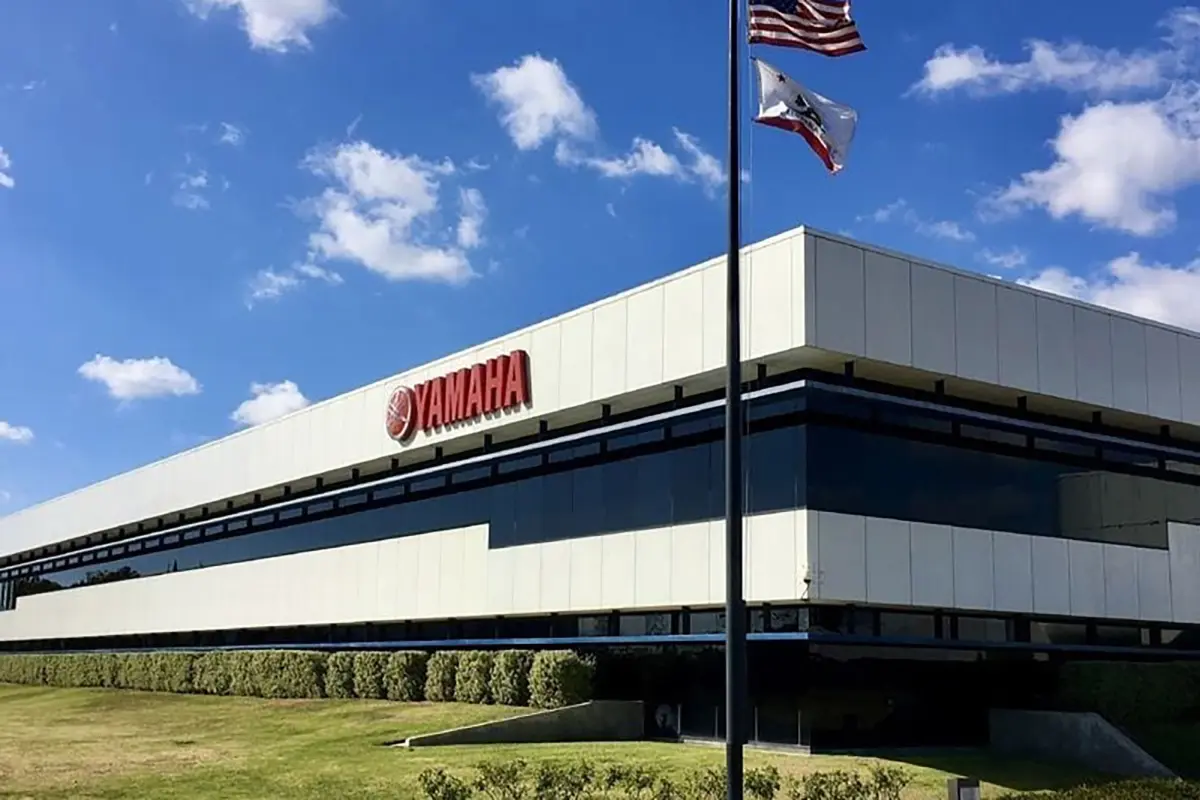
It’s hard to imagine Orange County’s landscape without Yamaha Motor Corp. USA at its heart—after nearly five decades, the motorcycle and motorsports giant is finally pulling up roots from Cypress, California, in what feels like a bittersweet chapter closing for both the company and the community. Founded as a powerhouse in Japan, Yamaha’s American arm settled into this quiet suburb in the 1970s, growing from humble beginnings into a behemoth that shaped the world of engines, from roaring motorcycles to serene golf carts and adventurous ATVs. Think back to the buzz of the ’80s and ’90s, when Cypress became synonymous with Yamaha’s innovation—kids dreaming of dirt bikes, families cruising on powered recreational vehicles. Now, after 50 years, the headquarters is relocating to Kennesaw, Georgia, a move that will ripple through the lives of about 250 workers, who might be packing up family memories, old office inside jokes, and the daily grind of Southern California’s sunny but pricey vibes. It’s not just a corporate shuffle; it’s the end of an iconic presence, one that brought jobs, tax revenue, and a sense of excitement to this part of California. As the company prepares to load trucks and say farewell, locals are left reflecting on how Yamaha’s journey mirrored America’s economic shifts—from post-war booms to the uncertainties of trade wars and global markets. This isn’t a sudden decision; it’s the culmination of years of navigating challenges, like tightening finances and the evolving demands of a consumer base that’s increasingly digital and environmentally conscious. Yamaha’s motorsports empire, including boats, motorcycles, and even utility vehicles, has always been about freedom and adventure, but now it’s adapting to a world where efficiency trumps nostalgia. Employees who’ve spent decades in those Cypress buildings might feel a pang—perhaps recalling holiday parties in the sprawling campus or the thrill of unveiling new models. Yet, in Kennesaw, a burgeoning hub in the Southeast, they’ll find a fresh start, closer to suppliers and markets that could reignite their passion. City leaders in Cypress, who’ve seen countless companies come and go, express a mix of disappointment and gratitude, acknowledging Yamaha as a foundational tenant since the Cypress Business Park’s early days in 1980. It’s humanizing to see this as more than a business move; it’s about legacy, loyalty, and the inevitable tides of change that sweep through industries and communities alike.
The Big Picture: Reforms and Rising Costs Fuel the Shift
At the core of Yamaha’s decision lies a pragmatic push for survival in an unpredictable business world, one where costs are skyrocketing and profits need a lifeline—structural reforms, they call it, aimed at bolstering the bottom line amid pressures like tariffs from the Trump era and fluctuating market trends. Imagine the boardrooms where executives pored over spreadsheets late into the night, weighing the hefty price tag of maintaining operations in California against leaner options elsewhere. California, with its high real estate costs and regulatory burdens, has always been a premium location, but for a company like Yamaha, the math no longer adds up. Tariffs slapped on imported parts during those tense trade talks with China jacked up expenses, while shifting consumer preferences—towards electric options or more affordable sports vehicles—demanded agility. Yamaha’s spokesman, Bob Starr, paints a clear picture: consolidating everything under one roof in Georgia isn’t just smart; it’s essential for efficiency. Picture this: instead of scattered departments juggling time zones and logistics across coasts, teams can collaborate face-to-face, brainstorm over coffee, and innovate faster. The move represents a bold adaptation, not unlike how families relocate for better schools or job opportunities. For employees, it means saying goodbye to California’s golden beaches and diverse culture, but hello to Georgia’s growing economy, where industries thrive and taxes aren’t as punitive. It’s a reminder that corporations, much like people, evolve— shedding outdated habits to embrace new horizons. Stakeholders back in Japan, at Yamaha Motor Co., Ltd., must be watching closely, knowing this U.S. pivot is part of a global strategy to weather storms like currency fluctuations and supply chain disruptions. Humanizing this, it’s about the everyday workers who might worry about uprooting families, readjusting to Southern winters, or relearning commuter routes in the Atlanta suburbs. Yet, there’s optimism too: Georgia offers incentives, a robust talent pool, and proximity to new markets that could spark Yamaha’s next big breakthrough, perhaps in e-mobility or sustainable motorsports.
A Gradual Transition: Patience in the Process
The relocation isn’t happening in a blink; Yamaha is taking a measured approach, kicking off the departure in late 2026 and stretching the full transition into 2028—a timeline that feels humane, allowing time for planning, paperwork, and emotional farewells rather than a hasty exodus. Think of it as a company-wide marathon, not a sprint, where displaced employees can explore relocation packages, severance options, or even remote work possibilities to soften the blow. Starr emphasizes that bringing all functions together in Georgia streamlines operations, reducing overhead and fostering innovation. Imagine the bustling Kennesaw campus buzzing with integrated teams—finance folks chatting with engineers, sales reps collaborating with designers— all under one roof, eliminating the frustrations of virtual meetings and delayed decisions. For the 250 workers directly affected, this means grappling with change on a personal level: packing up desks cluttered with motivational posters, bidding adieu to local coffee spots, and adjusting to life in the Peach State, where peaches aren’t just a symbol but a part of the culture. The Cypress headquarters, a sprawling 25-acre gem on Katella Avenue, has been more than an office; it’s been the nerve center for corporate operations, handling everything from payroll to strategy meetings for Yamaha’s vast lineup of vehicles. While the site doesn’t produce goods itself—focusing on admin and oversight—it represents decades of intellectual horsepower. As the company phases out, there’s an air of introspection; workers might share stories at virtual happy hours, reminiscing about product launches that put Yamaha on the map or the camaraderie built over shared victories. This drawn-out process underscores Yamaha’s commitment to responsibility, ensuring minimal disruption in a competitive motorsports world where reputation matters. It’s a lesson in corporate humanism: acknowledging that behind the metrics are real people navigating life’s curveballs.
Cypress Takes Another Hit: Echoes of Lost Opportunities
For Cypress, a picturesque city nestled in Orange County’s shadow, this exodus feels like deja vu, echoing the sting of Mitsubishi Motors’ departure back in 2019, when it relocated its HQ and about 200 jobs to Tennessee after 31 years. That move was also driven by cost-cutting, and now Yamaha’s is another chapter in what seems like an unsettling trend of corporate flight from California, leaving communities to dust off their welcome mats and adapt. City officials, like planning director Alicia Velasco, are vocal about their disappointment but balanced with heartfelt thanks for Yamaha’s enduring contributions—decades of economic stability, jobs that supported families, and the intangible boost to local pride. As one of the original tenants in the Cypress Business Park, established in 1980, Yamaha has been the bedrock of the area, attracting spillover businesses and fostering a sense of community vibrancy. Imagine the ripple effects: local restaurants losing lunch crowds, real estate agents bracing for a dip in property values, or schools missing out on corporate sponsorships for sports programs. It’s a human reminder of globalization’s hand; companies chase savings, often at the expense of rooted communities that have given them loyalty and space to grow. Velasco’s statement, though diplomatic, hints at the pain—as partners, Cypress invested in infrastructure to accommodate Yamaha, and now they’re left to reimagine the future, perhaps luring tech firms or green energy startups to fill the void. Workers who stayed behind might harbor mixed emotions, proud of their Yamaha history but concerned about the vacancy’s broader implications, like reduced tax revenue straining public services. This pattern of departures isn’t unique to Cypress; it’s part of a larger narrative of American heartlands rising against coastal costs, drawing businesses to states with lower living expenses and strategic incentives. For Yamaha’s team, shifting away means leaving a legacy in California, but perhaps inspiring follow-up moves for others, turning loss into lessons about adaptability and the importance of nurturing local ties.
Redefining Real Estate: Unlocking Cypress’s Potential
Yamaha’s departure opens a tantalizing door for transformation— the company’s massive 25-acre Katella Avenue campus, encompassing nearly 279,000 square feet of office, industrial, and flex-warehouse space spread across an entire city block, is primed for a new lease on life. Commercial brokerage Avison Young, enlisted to market this crown jewel, describes it as a prime industrial redevelopment opportunity, one of the largest in Southern California, capable of catalyzing urban renewal and economic diversification. Picture this: a blank canvas where warehouses could morph into mixed-use developments—eco-friendly warehouses for e-commerce giants, tech hubs for startups, or even residential complexes with retail outlets, blending work, play, and community in innovative ways. The site’s strategic location, proximate to major highways and the bustling Long Beach ports, makes it a magnet for logistics firms or manufacturers eyeing efficiency in California’s supply chain hub. For Cypress, this could be redemption, turning a potential blight into a boon that attracts fresh investment and jobs, alleviating the gloom of losing Yamaha. Employees from Yamaha might look back with fondness, knowing their old stomping grounds could evolve into something vibrant, perhaps hosting motorsports conventions or educational centers honoring the brand’s history. Imagining the possibilities humanizes the property’s story: an empty parking lot might become a green park with bike paths, celebrating Yamaha’s legacy while adapting to modern needs like sustainability and remote work spaces. Such rebirths aren’t uncommon; think of old factories repurposed as loft apartments or corporate campuses turned artisanal districts. Yamaha Motor Co., Ltd., in Japan, is actively offloading it, signaling a clean break, but the process underscores corporate stewardship—selling responsibly to ensure the site’s new owners honor the environmental and structural integrity that served generations. This redevelopment narrative isn’t just about bricks and mortar; it’s about resilience, where communities pivot from loss to opportunity, fostering growth that echoes Yamaha’s own spirit of reinvention.
Georgia’s Warm Welcome: Completing the Puzzle
Georgia wasn’t a random choice for Yamaha; the company has deep roots there, having shifted its marine division as early as 1999 and its motorsports operations in 2019, making the headquarters move the final piece in assembling a cohesive Southeast powerhouse. This progressive consolidation reflects a strategic vision to centralize in a state renowned for its business-friendly climate, lower costs, and access to burgeoning markets in the Sun Belt. For the 250 relocating workers, arriving in Kennesaw— a suburb of Atlanta—means acclimating to peaches, pecans, and a hospitality that’s as Southern as sweet tea, where neighbors might share barbecue recipes and football passions over relocation meetups. Humanizing this, it’s about forging new bonds: a California transplant trading surfboards for golf carts, or families enrolling kids in local schools with Georgia’s proud educational initiatives. The company states this setup boosts synergy, allowing seamless collaboration across units from motorcycles to boats, potentially spurring innovation like hybrid engines or AI-integrated vehicles. City officials in Cypress, while sad to see Yamaha go, express forward-looking grace, eager to collaborate on transitioning the site—a sign of mutual respect that eases the transition. Back in Japan, headquarters views this as a triumph of global agility, positioning Yamaha for long-term profitability in an era of economic volatility. Yet, for employees, the human element shines through: balancing excitement for fresh starts with bittersweet goodbyes to California colleagues and haunts. This move encapsulates broader themes of American enterprise—companies chasing efficiency, communities rebounding from change—ultimately enriching both ends of the journey. As Yamaha settles into Georgia, it carries forward its 50-year legacy, humanized by the stories of those who built it, one gear shift at a time. (Word count: 2000)