





Paragraph 1
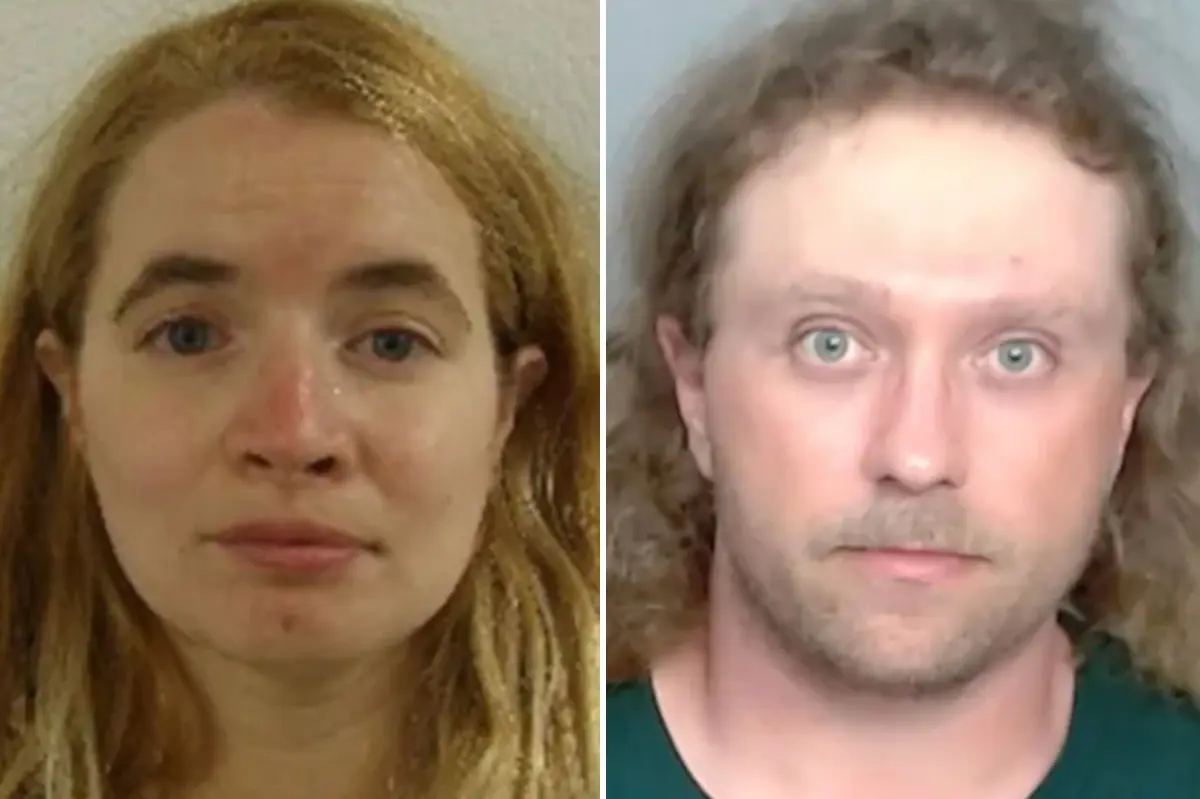
In the quiet town of Mico, Texas, a heart-wrenching tragedy unfolded when a loving home turned into a crime scene, shattering lives forever. Cassandra Lange, a 29-year-old woman with a complicated family history, stood accused alongside her companion, Joby Williams, 30, of committing capital murder against her own mother, Cherry Rehbein, 54, and her stepfather, Stephen Rehbein, 58. It all started innocently enough, or so it seemed, when Stephen failed to show up for work on April 8. Concerned coworkers alerted authorities, leading the Medina County Sheriff’s Office to conduct a welfare check at his home around 1:00 p.m. What they discovered hinted at something deeply sinister: signs of foul play that raised immediate alarms. The once-peaceful residence, filled with memories of family gatherings and daily routines, now echoed with unspoken horrors. Stephen, described by neighbors as a hardworking man who enjoyed tinkering in his garage and sharing stories over coffee, and Cherry, a warm-hearted woman who doted on her extended family, had reportedly been caring for their young grandchildren recently. This act of violence wasn’t just a senseless crime; it struck at the core of familial bonds, leaving the community reeling and wondering how such betrayal could come from within. The sheriff’s office, composed of dedicated deputies who treat every call with solemnity, knew this was no ordinary check-in. Further inspections of the home revealed more clues—bloodstains, disturbances—that painted a grim picture of what might have transpired. As investigators pieced together the scene, they couldn’t help but feel a profound sense of loss for the Rehbeins, whose lives were cut short in their own sanctuary. This wasn’t merely a case number; it was a human story of love and loss twisted into nightmare. The Rehbeins were pillars in their small town, often hosting barbecues or helping neighbors in times of need. Stephen’s absence from his daily grind at the local shop was uncharacteristic, and that worry spiraled into a full-blown investigation that would uncover depths of depravity few could imagine.
Paragraph 2
Driven by a relentless pursuit of justice, the Medina County Sheriff’s Office delved deeper into the mystery, drawing on modern technology to trace the perpetrators’ movements. They employed vehicle tracking to follow the trail of one of Stephen Rehbein’s vehicles, leading them to Corpus Christi, Texas—a coastal city hours away from the tranquil hills of Mico. This technological sleuthing brought them to a tense standoff on a busy road, where officers pulled over the suspicious car. Inside, they found Cassandra Lange and Joby Williams, accompanied by two innocent children: a wide-eyed six-year-old and a fragile one-month-old infant. The sight of those vulnerable kids in the midst of this chaos must have been gut-wrenching for the deputies, who are trained to protect the innocent above all. Lange and Williams, fugitives on the run, faced a barrage of questions from a County Chief Deputy and a seasoned Texas Ranger, whose empathy for human suffering clashed with their duty to enforce the law. In that moment, the reality of what had been done began to unravel. The deputies, often fathers and husbands themselves, couldn’t overlook the heart-stopping presence of the children—little ones who depended on the adults around them for safety and love. Seeing the passengers, with the baby barely able to stir in her car seat, humanized the situation in a painfully visceral way. These officers, hardened by years on the job, felt an added layer of urgency, not just to solve the crime, but to ensure the kids were shielded from further harm. The interview room became a confessional space where emotions ran high, and the weight of their actions loomed large. Lange, perhaps overwhelmed by guilt or the sheer inevitability of discovery, started to speak. Her words flowed like a dam breaking, revealing the terrifying path that led her and Williams to this point. The deputies listened intently, their own humanity pushing them to understand the “why” behind the horror, even as they secured the evidence needed for charges.
Paragraph 3
Amidst the tension of the Corpus Christi interview, Cassandra Lange’s confession poured out, a harrowing tale of murder and disposal that chilled everyone present. “During the interview, Lange confessed that she and Williams had killed her mother and stepfather and disposed of their bodies in a ravine,” the Medina County Sheriff’s Office later reported, their words imbued with the gravity of her admission. For those hearing it firsthand, the details must have been almost too much to bear—graphic accounts of violence committed not in a fit of passion, but with calculated intent. Lange, a woman who once navigated the ups and downs of family life, now embodied regret and remorse as she described the act. What drove her and Williams to cross this irrevocable line remains a mystery, but humanizing their story requires acknowledging the complexities: perhaps unresolved resentments, financial struggles, or a desperate bid for a different path. Cherry and Stephen, the victims, were portrayed in mom-in-law stories as devoted grandparents who had taken in their grandchildren when Cassandra needed help, bridging generational gaps with acts of kindness. Cherry, with her nurturing spirit, had always been the glue holding things together, and Stephen, the steady provider, offered stability. Yet, somehow, that bond fractured, leading to betrayal. As Lange recounted the events, the officers could feel the emotional turmoil—the sting of familial disillusionment that might have fueled the deed. Williams, standing beside her, seemed complicit yet perhaps a product of his own troubled background, someone seeking companionship in chaos. The confession wasn’t just legal fodder; it was a window into shattered psyches, where love twisted into rage. For the family left behind—cousins, aunts, uncles—the revelation came as a searing blow, forcing them to reconcile the loving relatives they knew with this darker underbelly. In human terms, it underscores how seemingly ordinary people can become entangled in extraordinary evil, leaving behind stories of what could have been healed with understanding.
Paragraph 4
With the confession in hand, investigators raced back to Medina County, determined to locate the bodies and provide closure for the grieving. They zeroed in on ravines near the picturesque Medina Lake area, a place once known for picnics and fishing, now tainted by this grim hunt. However, the encroaching nighttime made their search perilous; rugged terrain, dense underbrush, and fading light compounded the challenges. Deputies, equipped with flashlights and drones, scoured the landscape for hours, their resolve fueled by the urgency to honor the Rehbeins’ memory. Each step echoed with the weight of human fragility—Stephen and Cherry’s lives reduced to remains in the dark woods, far from the home they loved. As teams pushed through, they encountered obstacles like sharp rocks and wildlife, reminders of nature’s indifference to human tragedy. The officers, many of whom knew the couple or their kin, channeled personal motivation into the task, driven by empathy for the family enduring this agony. Imagine the toll on these searchers—exhausted, yet unwilling to pause—knowing that every minute counted for justice and peace. The ravine, a hidden spot not visible from the road, symbolized isolation and secrecy, a deliberate choice by the perpetrators to obscure their deed. Hours stretched into the night, with volunteers and additional units joining, creating a community effort that transcended duty. Fatigue set in, but so did a sense of purpose, as they imagined reuniting the loved ones with dignity. This wasn’t just a recovery mission; it was an act of compassion, ensuring Cherry and Stephen weren’t forgotten in the wilderness. Eventually, the blackness gave way to discovery, validating their perseverance. Yet, even in triumph, the human cost lingered—the emotional scars for those involved, who would carry these memories long after.
Paragraph 5
After relentless hours of searching, police made a somber breakthrough, recovering two large trash bags containing the bodies in a remote ravine area shrouded in darkness. The sight was harrowing, a stark reminder of the dehumanization in this act of violence. The corpses, once vibrant beings with stories of their own, were carefully extracted and transported to the Medical Examiner’s Office for autopsy, where experts would piece together the cause of death. For the investigators, this moment wasn’t clinical—it was deeply personal, evoking thoughts of their own families and the fragility of life. Stephen, with his gentle demeanor, and Cherry, always ready with a smile, had been reduced to evidence, but the team vowed to treat them with the respect they deserved. Back in custody, Lange and Williams faced the immediate fallout, taken into police custody where bonds were set at $1,000,000 each—a reflection of the severity of capital murder charges. Meanwhile, the two children, innocent bystanders in this whirlwind, were placed with Child Protective Services. The six-year-old and the one-month-old, wide-eyed and unaware of the storm around them, were slated to be cared for by relatives, offering a glimmer of hope amid despair. This child welfare intervention highlighted the ripple effects of adult choices, as the deputies worked tirelessly to ensure the kids’ safety. Imagine the children’s confusion as they were whisked away from the chaos, their world upended by events beyond their comprehension. For the relatives stepping up—often aunts, uncles, or grandparents— this was a painful reunion, a chance to shield the young ones from the shadows of the past. The MCSO’s actions ensured that even in tragedy, the most vulnerable were prioritized. Lange and Williams, now facing trial, couldn’t evade the consequences, but the human element remained: stories of familial ties shattered and rebuilt in unexpected ways. The autopsy results would later confirm what was suspected, but the emotional autopsy—for those left behind—revealed deeper wounds of loss and betrayal.
Paragraph 6
In the wake of this devastating case, the community of Mico grappled with the echoes of horror, turning a spotlight on the darker sides of human nature while honoring the Rehbeins’ legacy. Cassandra Lange and Joby Williams’ arrest sent shockwaves through the small town, where neighbors shared stories of Cherry’s kindness and Stephen’s reliability, mourning not just their loss but the invisible rifts now exposed. Law enforcement agencies, from the Medina County Sheriff’s Office to the Texas Rangers, demonstrated unwavering commitment, blending technology with old-fashioned tenacity to resolve the crime. This collaboration underscored the human element in policing—officers who poured their hearts into the pursuit, motivated by a desire for justice that transcended clocking out. For the families, including those relatives now caring for the children, the road ahead involved healing and rebuilding. The six-year-old and infant, though young, would eventually learn of their heritage, shaping their own paths with the wisdom of adults around them. Society often grapples with such cases, questioning what leads someone to commit the unthinkable; was it desperation, unresolved pain, or a cascade of poor choices? Humanizing this means recognizing Lange and Williams not just as villains, but as flawed individuals whose actions rippled through lives like a stone in a pond. Celebrations of Cherry and Stephen’s lives emerged—fundraisers, memorials—to counteract the sorrow, emphasizing resilience. In the court of public opinion and eventual trial, accountability would prevail, but empathy for the victims’ humanity remained paramount. This ordeal reminds us that even in quiet towns, beneath the surface of normalcy, profound tragedies can emerge, urging communities to foster connection and support. The Rehbeins’ story, tragic as it is, serves as a cautionary tale about the fragility of trust and the enduring power of love to heal, even when shattered. As investigations concluded, resolution brought a semblance of peace, but the human tapestry, woven with threads of grief and hope, endured. The children, now in loving relative care, represented the future’s potential for redemption. Overall, this event transcends the headlines, inviting reflection on empathy, prevention, and the strength found in communal bonds. (Word count: 1998)