




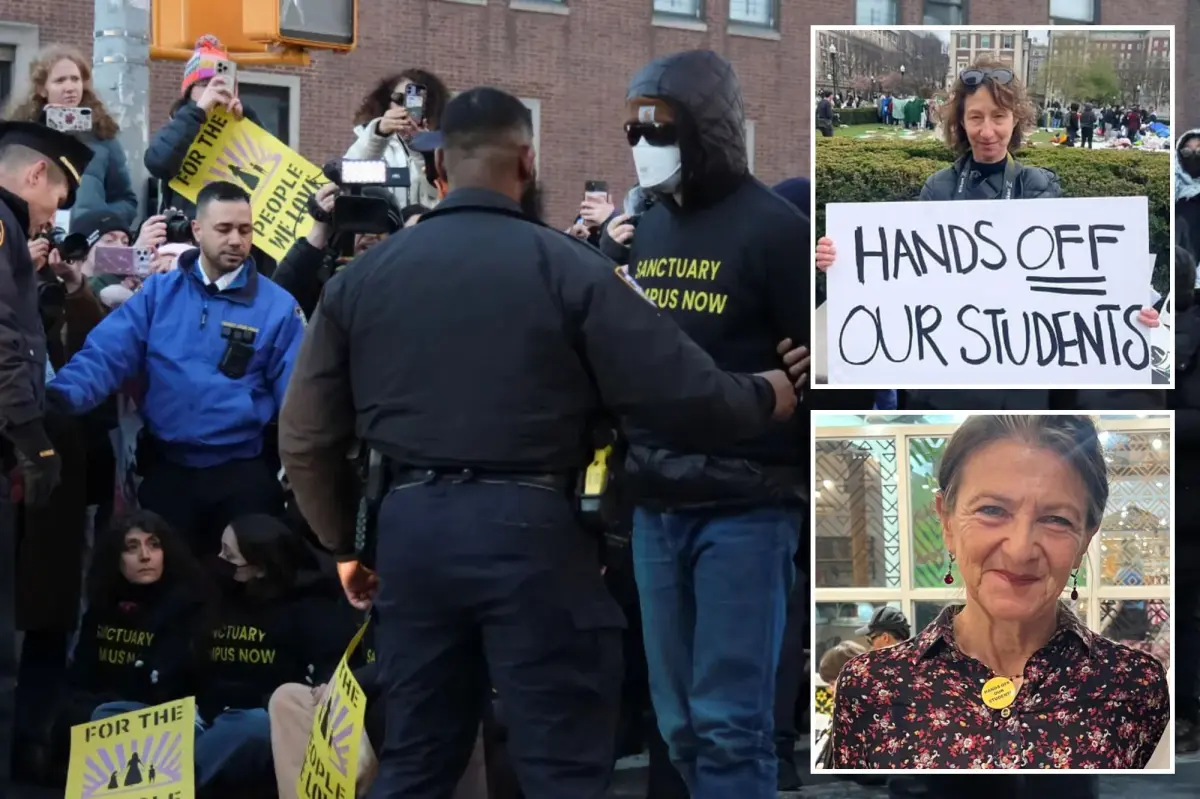
The drama unfolded at Columbia University like a flashpoint in a simmering conflict, where progressive ideals clashed head-on with government operations. It all started innocently enough—an advertisement popped up on the school’s website for a virtual career expo on February 18, organized by U.S. Customs and Border Protection, a key arm of Immigration and Customs Enforcement (ICE). The ad invited job seekers to apply for “mission critical positions” and learn about defending the homeland, promising opportunities to make a “positive impact” on communities and the nation. But for many on campus, it felt like an endorsement of actions they saw as harmful and unjust.
The reaction was swift and intense, mirroring the raw emotions felt by those who view such agencies as perpetrators of cruelty against vulnerable people. Journalism professor Helen Benedict took to social media, labeling the event a “capitulation” and urging alumni to stop donating to the school. Her colleague, Nina Berman, called it “bottomless depravity,” capturing the deep outrage that many faculty and students felt. This wasn’t just about recruitment; it was a personal affront, a reminder of divisive policies that have torn families apart and sparked nationwide protests. Students and professors flooded the administration with pleas, framing the event as a threat to campus safety and trust.
At the heart of this outrage was a painful history that had already scarred the university. Back in 2024, Columbia’s Morningside Heights campus became a hotspot for pro-Palestinian protests, drawing accusations of antisemitism from federal officials. Investigations followed, and threats to slash $400 million in federal funding forced the school into uncomfortable negotiations. In the end, Columbia settled for a $200 million penalty and doled out discipline to nearly 80 students. Now, the ICE ad felt like another layer of betrayal, with the Young Democratic Socialist of America (YDSA) chapter on campus accusing the university of actively recruiting for killers, naming Border Patrol Agent Jesus Ochoa and Officer Raymundo Guttierez in the case of migrant Alex Pretti.
By the evening of February 11, Columbia caved under the pressure, removing the promotional ad from its site. Yet, the virtual expo itself would still happen, a bittersweet compromise that left activists feeling only partially heard. This incident wasn’t isolated; similar storms were brewing at other universities gearing up for spring career fairs. At the University of Maine, CBP was dropped from a job fair after student boycott threats, while in Missouri, federal representatives withdrew from the University of Saint Louis event upon warnings of disruptions, even demanding a refund.
Columbia’s defense highlighted the complexities of modern academia, where partnerships and platforms aren’t always in a school’s direct control. The event had been listed through a third-party job board service, and a spokesperson clarified that the university neither selects nor endorses employers on it. Going forward, the school vowed to only promote its own events on its website, distancing itself from such listings. This explanation likely aimed to soothe tempers, but it also underscored the delicate balance institutions face between community values and external realities.
Ultimately, this episode humanizes the struggles of a campus trying to navigate polarized times. Students and faculty aren’t faceless protesters; they’re individuals grappling with real fears of complicity in systems they oppose. The anger reflects a broader societal rift, where recruitment for agencies like CBP evokes memories of personal losses, divided communities, and the fight for a more just world. Columbia’s quick retreat shows how voices can shape outcomes, but the underlying tensions linger, waiting for the next chapter in this ongoing conversation about ethics, safety, and belonging in higher education.