






Wiz Khalifa Faces Romanian Prison Sentence for Cannabis Possession
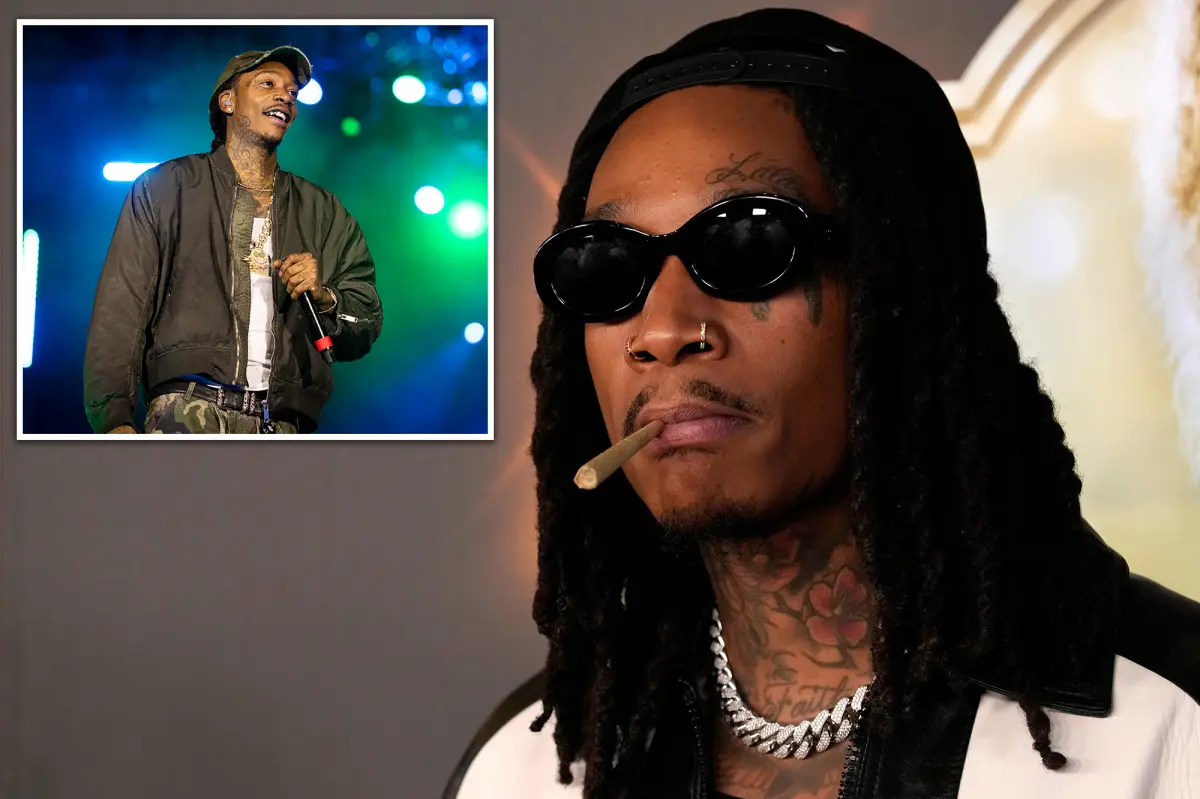
In a striking legal development that highlights the stark differences in global drug policies, American rap star Wiz Khalifa has been sentenced to nine months in prison by a Romanian court for cannabis possession. The sentence stems from an incident at the Beach, Please! Festival in Costinesti, Romania, in July 2024, where the 38-year-old Pittsburgh native performed to thousands of fans. During his performance, Khalifa, known for his cannabis-friendly persona, smoked what prosecutors described as cannabis while performing his aptly titled hit “Young, Wild & Free.” The moment, which might have been standard fare at an American concert, led to serious legal consequences in Romania, where drug laws remain significantly more stringent than in many Western nations.
Following his performance, Romanian authorities detained Khalifa, whose legal name is Cameron Jibril Thomaz, after allegedly finding him in possession of over 18 grams of cannabis. Initially, a lower court in Constanta County imposed a criminal fine of approximately $830 for “illegal possession of dangerous drugs,” but prosecutors, unsatisfied with the penalty, appealed the decision seeking a harsher sentence. The Constanta Court of Appeal subsequently delivered the nine-month prison term after convicting the rapper of “possession of dangerous drugs, without right, for personal consumption,” according to reports from Romania’s national news agency, Agerpres. The court’s decision is final under Romanian law, though significant questions remain about how the sentence will be enforced given that Khalifa is an American citizen who does not reside in Romania.
This case illuminates the dramatic contrast between Romania’s approach to cannabis and the increasingly permissive attitude toward the substance in the United States and other parts of the world. Romania enforces some of Europe’s most stringent drug laws, with personal cannabis possession carrying potential penalties of three months to two years imprisonment. This stands in stark contrast to the rapper’s home country, where numerous states have legalized recreational cannabis use, and where Khalifa himself has built a substantial brand around cannabis culture. The rapper, who rose to fame with his breakout mixtape “Kush + Orange Juice” (a title referencing cannabis), has been open about his cannabis use throughout his career, even launching his own cannabis brand and making marijuana references a cornerstone of his public identity.
The sentencing raises complex legal questions regarding international jurisdiction and extradition procedures. Legal experts note that Romanian authorities would need to file a formal extradition request with the United States to enforce the sentence, a process fraught with diplomatic and legal complications. The United States and Romania do maintain an extradition treaty, but such requests typically undergo extensive review, and the differing legal status of cannabis between the two nations could potentially complicate any extradition attempt. Additionally, the United States generally considers several factors when evaluating extradition requests, including whether the offense in question is also criminalized under U.S. federal or state law in the jurisdiction where the individual resides.
For Khalifa, this incident represents perhaps the most serious legal consequence of his well-documented cannabis advocacy. Throughout his career, which began in the mid-2000s, Khalifa has established himself as one of hip-hop’s most recognizable voices, with multiple platinum-selling albums and singles. His 2011 hit “Black and Yellow” topped the Billboard Hot 100, and his feature on Charlie Puth’s “See You Again” became one of the decade’s most successful singles. Beyond music, he has diversified into acting, entrepreneurship, and cannabis business ventures, building a multi-faceted career that has made him a household name. This legal situation now adds an unexpected chapter to his story, potentially affecting his ability to tour internationally, particularly in countries with strict drug laws.
This case also highlights the challenges performers increasingly face when navigating international tours across jurisdictions with vastly different legal standards. While many artists adjust their behavior to comply with local laws when performing abroad, this incident serves as a stark reminder of the potential consequences when cultural norms clash with legal realities. The global entertainment industry will likely watch this case closely as it unfolds, particularly regarding how enforcement attempts proceed and whether it impacts how performers approach international appearances in countries with strict drug policies. Meanwhile, Khalifa’s representatives have not yet issued a comprehensive public statement addressing the Romanian court’s decision, leaving fans and observers wondering how the rapper plans to respond to this unprecedented legal challenge in his otherwise successful career.