


Trump’s Chief of Staff Wiles Stirs Controversy with Comments on President’s Personality
In a series of candid interviews with author Chris Whipple, White House Chief of Staff Susie Wiles made some revealing observations about President Trump that have ignited discussion across political circles. Most notably, Wiles characterized Trump as having “an alcoholic’s personality” because of his belief that “there’s nothing he can’t do.” This comment, published by Vanity Fair, is particularly noteworthy given Trump’s well-documented abstention from alcohol—a personal choice influenced by the tragic loss of his older brother Fred, who died in 1981 at age 42 from heart complications related to excessive drinking. The president has consistently and proudly maintained his teetotaler status throughout his public life, making Wiles’ characterization all the more striking.
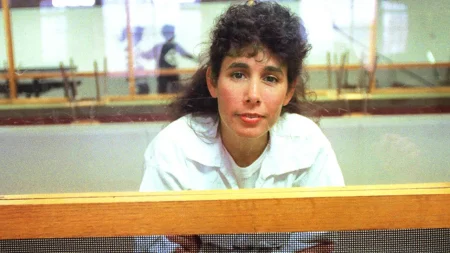
The 68-year-old Chief of Staff brings personal experience to her perspective on personality types. In a July interview with The Post’s Miranda Devine, Wiles opened up about helping her father, legendary NFL broadcaster Pat Summerall, through alcohol rehabilitation in 1992. As the oldest of Summerall’s three children, she played a significant role in his recovery process, which included writing him a deeply personal letter that she admits “got his attention.” In that letter, she expressed how his behavior sometimes made her reluctant to share his surname—a painful but honest admission from a daughter to her father. This family experience clearly shaped Wiles’ understanding of addictive personalities and their impacts on relationships, giving context to her observations about President Trump’s character traits.
Wiles elaborated on her perspective in the Vanity Fair piece, stating, “Alcoholism does bad things to relationships, and so it was with my dad and me.” She continued with a qualification—”Some clinical psychologist that knows one million times more than I do will dispute what I’m going to say”—before offering her observation that “high-functioning alcoholics or alcoholics in general, their personalities are exaggerated when they drink. And so I’m a little bit of an expert in big personalities.” This connection between her family history and her assessment of the president suggests Wiles sees parallels between certain personality traits, regardless of whether alcohol is involved. Her father, Pat Summerall, was ultimately able to overcome his alcohol dependency after treatment at the Betty Ford Clinic, passing away in 2013 having successfully maintained his sobriety.
Following the publication of the Vanity Fair article, Wiles moved quickly to contextualize her comments, posting a statement on social media platform X (formerly Twitter). She characterized the piece as “a disingenuously framed hit piece on me and the finest President, White House staff, and Cabinet in history.” Her response suggested that her words had been taken out of context and that significant portions of her positive comments about the president and his administration had been deliberately omitted to create a narrative of chaos and negativity. This pushback highlights the delicate balance White House staff must maintain between candor in private interviews and loyalty to the administration they serve, especially when discussing someone as media-conscious as President Trump.
Wiles’ statement continued with a defense of the administration’s accomplishments, asserting that “the Trump White House has already accomplished more in eleven months than any other President has accomplished in eight years.” She attributed this success to “the unmatched leadership and vision of President Trump,” for whom she noted she has worked “for the better part of a decade.” This timeline of their professional relationship emphasizes Wiles’ long-standing connection to Trump, spanning well beyond just this current White House position and suggesting a depth of knowledge about his personality and working style that few others possess. Her statement concluded with a defiant promise that “none of this will stop our relentless pursuit of Making America Great Again!”
The incident reveals much about the inner workings of Trump’s White House and the complex dynamics between the president and his closest advisors. Wiles, who conducted eleven interviews with Whipple during Trump’s first year in office, has emerged as one of the most influential figures in the administration. Her personal history with alcoholism in her family has evidently informed her approach to managing personalities and relationships in high-pressure environments. While her comments have created a momentary media stir, they also provide a rare window into how those closest to President Trump understand and navigate his distinctive leadership style. As the administration continues its work, the relationship between Trump and his chief of staff will undoubtedly remain under scrutiny, with observers watching to see how this candid characterization might affect their professional dynamic going forward.