

The Fall of Nicolas Maduro: A High-Stakes Legal Drama Unfolds
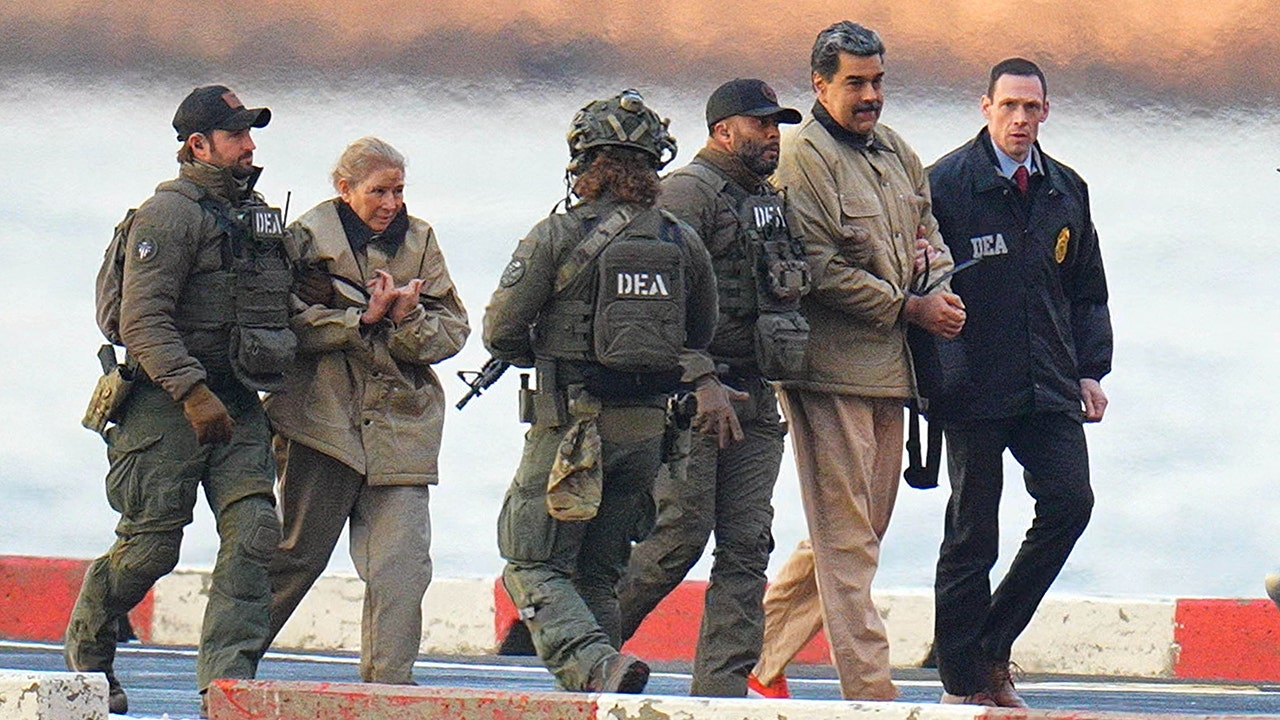
In a stunning turn of events that has reverberated across international politics, former Venezuelan leader Nicolas Maduro and his wife Cilia Flores found themselves in a U.S. federal courtroom on Monday, facing serious charges of narco-terrorism, drug trafficking, and firearms offenses. The dramatic capture of Maduro by U.S. special forces over the weekend has drawn immediate comparisons to the 1980s downfall of Panamanian dictator Manuel Noriega and signals a significant shift in American foreign policy under President Donald Trump’s second administration. Both defendants entered not guilty pleas and waived their rights to a speedy trial, with their next court appearance scheduled for mid-March. The case represents a remarkable culmination of legal efforts that began with Maduro’s initial indictment in 2020, though the circumstances surrounding his capture have sparked intense debate across the political spectrum.
The proceedings are being overseen by Judge Alvin Hellerstein, a 92-year-old jurist with a long and distinguished career handling high-profile cases. Appointed by President Bill Clinton in 1998, Hellerstein has earned a reputation for fairness despite perceptions of political leanings. His courtroom has previously seen another Venezuelan official, Hugo “El Pollo” Carvajal, plead guilty to similar narco-terrorism charges—potentially providing prosecutors with valuable evidence against Maduro. When the former Venezuelan leader began rambling during the proceedings, Hellerstein firmly but respectfully cut him off, demonstrating the judicial control that New York City defense attorney Louis Gelormino describes as characteristic of his approach: “always courteous and respectful to the parties but won’t let lawyers or litigants go too far.” Hellerstein’s involvement in the case was determined through the Southern District of New York’s randomized assignment process, bringing his extensive experience with complex international matters to bear on this historically significant prosecution.
Defense attorney Barry Pollack, representing Maduro, brings substantial experience in high-stakes international cases, having previously negotiated the plea agreement that freed WikiLeaks founder Julian Assange and secured acquittals in the Enron corporate collapse. In court, Pollack characterized Maduro’s apprehension as “an abduction” and indicated plans to file extensive motions, likely including claims of sovereign immunity. However, former federal prosecutor Neama Rahmani predicts such arguments will fail, noting, “The State Department does not recognize Maduro as the legitimate head of state.” Meanwhile, Flores is being represented by Mark Donnelly, a former federal prosecutor who worked on the impeachment of Texas Attorney General Ken Paxton. During the arraignment, Donnelly requested a medical examination for Flores, claiming she sustained rib injuries during the Caracas raid. Both defense attorneys will likely argue that their clients enjoy immunity for official acts, though Rahmani suggests this strategy is doomed since “narco-terrorism and drug trafficking are not official acts.”
The prosecution is being led by a team of experienced federal attorneys from the Southern District of New York, with Assistant U.S. Attorney Kyle Wirshba speaking for the government during Monday’s arraignment. Wirshba’s credentials are particularly relevant to this case—he’s a member of SDNY’s national security and international narcotics unit and has prosecuted Venezuela’s notorious Tren de Aragua gang. His involvement in the Maduro case dates back to the original 2020 indictment, and he played a key role in prosecuting former Maduro ally Cliver Alcala Cordones, who eventually pleaded guilty to providing material support to FARC, the Colombian militant group allegedly involved in trafficking tons of cocaine to the United States. Wirshba’s experience extends to other high-profile international drug cases, including the successful conviction of former Honduras President Juan Orlando Hernandez on cocaine trafficking and firearms charges—though Hernandez was later pardoned by President Trump in December.
The charges against Maduro and Flores are severe and numerous. Maduro faces four counts: narco-terrorism conspiracy, cocaine importation conspiracy, possession of machine guns and destructive devices, and conspiracy to possess such weapons. His wife faces three similar charges, excluding the narco-terrorism count. Both defendants are being held at a federal detention facility in Brooklyn, with their attorneys reserving the right to request bail in the future—though experts consider release highly unlikely given the gravity of the charges and flight risk. The case builds upon a 2020 indictment that former Attorney General Bill Barr, who is no longer involved in the prosecution, has suggested may now be bolstered by new evidence unavailable during his tenure. According to Rahmani, an indictment of this magnitude would have required approval at the highest levels of the Justice Department, indicating prosecutors believe they have substantial evidence to secure convictions.
The international ramifications of Maduro’s capture and prosecution continue to unfold dramatically, with Venezuela ordering a nationwide manhunt for supporters following the arrest. The operation has sparked divergent reactions along partisan lines in the United States, with some Florida Republicans criticizing Democrats’ response as manifestations of “Trump Derangement Syndrome,” while others, including “The View” co-host Sunny Hostin, have characterized the operation as a “kidnapping” and an act of “piracy.” Meanwhile, some lawmakers have highlighted resurfaced comments from President Biden regarding Trump and Maduro, dismissing them as politically motivated. As the case progresses, it stands as a pivotal moment in U.S.-Venezuela relations and a potential turning point for regional politics. House Intelligence Committee Chair Mike Turner has even suggested Maduro’s capture could mark “the beginning of the end” for Cuba’s regime, underscoring the far-reaching implications of this extraordinary legal proceeding that has transformed a foreign policy dispute into a high-stakes federal prosecution.