

A Community Mourns: Conflicting Narratives Emerge in Minneapolis ICE Shooting
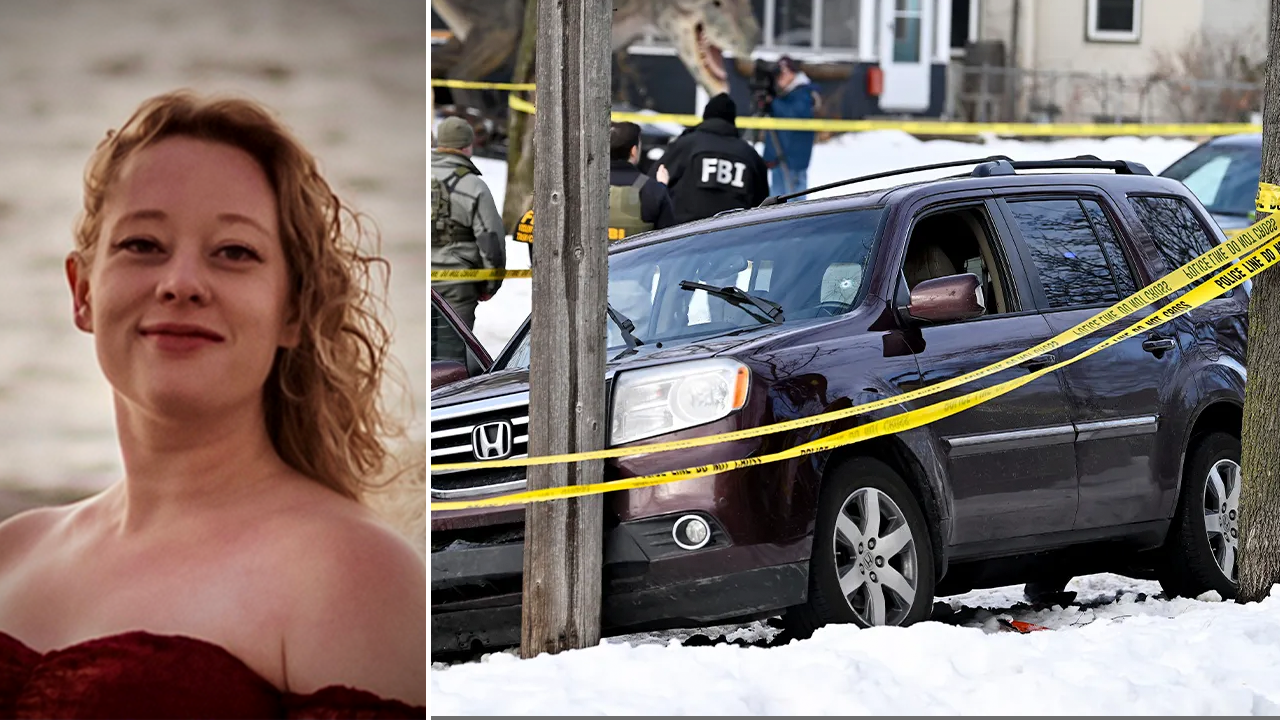
In a tragic incident that has intensified tensions between federal and local authorities, 37-year-old Renee Nicole Good was fatally shot during an Immigration and Customs Enforcement (ICE) operation in south Minneapolis on Wednesday. The shooting has sparked conflicting accounts from Homeland Security officials and local leaders, deepening divides over immigration enforcement in the city. As the community grapples with this loss, the circumstances surrounding Good’s death remain under investigation, with federal authorities and Minneapolis city officials offering starkly different versions of what transpired.
According to Homeland Security Secretary Kristi Noem, the incident occurred when ICE agents were conducting lawful enforcement operations and their vehicle became stuck in snow. Noem claims that agents were harassed by “agitators,” including Good, who allegedly blocked officers and impeded their work. After repeatedly refusing commands to exit her vehicle and stop obstructing law enforcement, Noem asserts that Good “weaponized her vehicle” and attempted to run over an officer, who fired in self-defense after being struck. The officer was reportedly treated at a hospital and later released. Notably, Fox News learned that none of the agents involved were wearing body cameras at the time of the incident, as ICE is still in the process of implementing this technology nationwide.
In sharp contrast, Minneapolis City Council members issued a joint statement identifying Good as “a member of our community” and demanding ICE leave the city. The council accused federal immigration authorities of bringing “chaos and violence” to Minneapolis and vowed to work with state partners to protect residents. Their statement reflected broader tensions between local authorities and federal immigration enforcement, which had recently deployed thousands of additional officers to the area, triggering protests and backlash from city leadership. This incident occurred against the backdrop of Minnesota Governor Tim Walz preparing the National Guard, though he emphasized the state has “never been at war” with the federal government.
The human dimension of this tragedy is reflected in accounts from Good’s family. Her mother, Donna Ganger, told The Minnesota Star Tribune that her daughter lived in the Twin Cities with her partner and described her as “one of the kindest people I’ve ever known,” compassionate and devoted to caring for others. Ganger expressed disbelief about the circumstances of her daughter’s death, saying, “That’s so stupid” and suggesting Good “was probably terrified” during the encounter. Good was previously married to Timmy Ray Macklin Jr., who died in 2023 at age 36, and they had a child together. According to what appears to be her Instagram account, Good described herself as a “poet and writer and wife and mom and s—– guitar strummer from Colorado; experiencing Minneapolis, MN.” Her creative writing talents had been recognized by Old Dominion University’s English Department, which named her the 2020 ODU College Poetry Prize Undergraduate winner.
Questions have emerged about Good’s presence at the scene, as the SUV she was driving displayed Missouri license plates registered to her at a Kansas City, Missouri address, according to local news reports. It remains unclear why the vehicle was registered out of state. Secretary Noem characterized the incident as part of a pattern of “domestic terrorism,” claiming there has been a rise in vehicle-ramming attacks against federal officers nationwide in recent weeks. She called for elected officials to denounce violence against law enforcement and suggested the shooting resulted from escalating rhetoric targeting federal officers, emphatically stating, “This must stop.”
The fatal shooting has intensified already significant tensions between federal immigration authorities and Minneapolis officials. Local leaders have accused ICE of conducting operations without proper coordination with city authorities, while federal officials maintain they were carrying out lawful enforcement actions. The incident highlights broader national debates about immigration enforcement tactics, community trust in law enforcement, and the relationship between local and federal authorities. As investigators work to determine exactly what happened during those fateful moments in south Minneapolis, a community mourns the loss of a woman described by loved ones as kind and compassionate, leaving behind a child and grieving family members trying to make sense of her sudden and violent death.