





White House and Governor Newsom Clash Over California Wildfire Aid
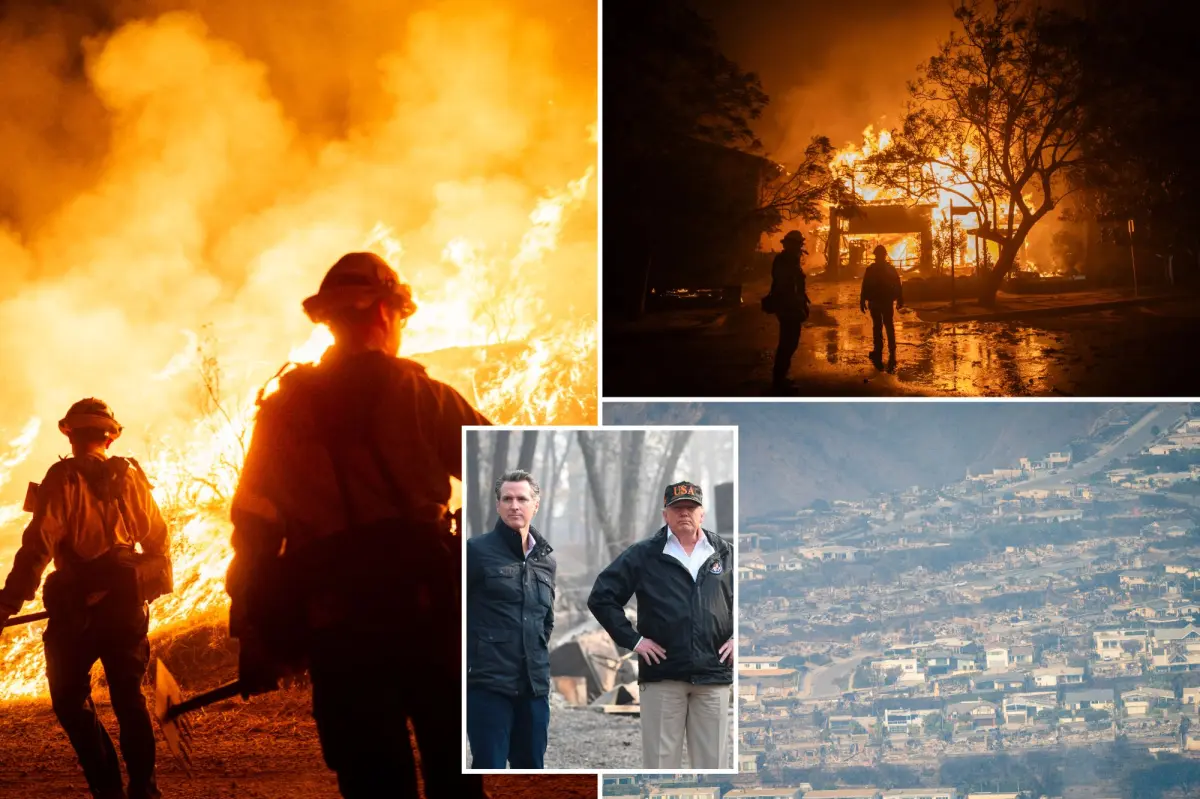
In a tense political standoff, California Governor Gavin Newsom and the Trump administration have locked horns over federal assistance for wildfire recovery. Newsom’s recent trip to Washington, DC aimed at securing additional aid ended with accusations that the Trump administration refused to meet with him, a claim the White House vehemently disputes. This confrontation highlights the growing partisan divide over disaster relief funding, with California officials insisting they need more support while the administration argues that substantial resources have already been provided. The situation has turned increasingly personal, with both sides questioning each other’s motives and competence in handling the aftermath of the devastating California wildfires that have destroyed thousands of acres and numerous homes since January.
The financial stakes in this disagreement are substantial. While the federal government has already allocated over $7 billion in aid to California for wildfire recovery efforts since the beginning of the year, Governor Newsom is pursuing much more. Initially requesting $40 billion in February, he has recently revised this figure down to $34 billion. During his Washington visit, Newsom met with lawmakers from both parties on Capitol Hill, describing these discussions as “productive.” However, the situation soured when, according to Newsom’s office, officials from the Department of Homeland Security and FEMA declined his meeting request. The governor’s team characterized this rejection as unprecedented, claiming that FEMA Acting Administrator Karen Evans was “not able to accommodate a meeting” and provided no alternative contacts within the administration. This alleged snub prompted Newsom to publicly declare that “President Trump’s promise to ‘take care’ of survivors was clearly a lie,” and that the president “isn’t here for the people of Los Angeles, just like he isn’t here for everyday Americans.”
The White House response was equally sharp, with spokeswoman Abigail Jackson dismissing Newsom’s allegations and claiming he “has no idea what he’s talking about.” Using the president’s derisive nickname “Newscum” for the governor, Jackson defended the administration’s handling of the disaster, stating that “President Trump’s historic leadership following the LA wildfires led to the fastest hazardous debris removal operation in history.” She further contended that the president had “expedited” recovery efforts while Newsom and Los Angeles Mayor Karen Bass “made the disaster worse than it needed to be.” Jackson specifically criticized state officials for allegedly draining the Santa Ynez Reservoir and failing “to prepare to utilize pumps and aqueducts,” actions she claimed had compounded the disaster’s impact. The spokeswoman also accused California officials of slowing recovery through prolonged permit approval processes “despite the President’s tremendous efforts to help.”
The conflict extends beyond the executive branches, with Republican senators raising questions about California’s management of previous federal aid. Senator Rick Scott of Florida, who alongside Wisconsin Senator Ron Johnson has been investigating the Los Angeles fires, suggested that billions in past federal support for California wildfire preparedness “have been wasted.” Scott urged Newsom to “publicly share exactly how the state has used the billions in tax dollars it has already received over the past decade,” citing testimonies from fire survivors who alleged the state “has not spent these federal dollars wisely or effectively.” The senator insisted that Californians “deserve answers before California receives more of Americans’ hard-earned tax money,” positioning his concerns as accountability measures rather than partisan obstruction. This congressional scrutiny adds another layer of complexity to California’s quest for additional disaster funding.
The political battle over wildfire aid illustrates broader tensions in federal disaster response. Newsom’s team argues that the Trump administration’s approach represents a “sharp break” from how previous presidents have handled natural disasters, characterizing the reluctance to approve additional funds as “abnormal.” This framing places the dispute within a larger narrative about federal responsibility during crises and suggests that political considerations may be influencing disaster response decisions. For their part, administration officials maintain that they have been exceptionally responsive, with Jackson pointing to the “historic” speed of debris removal operations and claiming that when “Democrat politicians and bureaucrats said something like this was impossible, President Trump found a solution.” These competing narratives reflect fundamentally different perspectives on government’s role in disaster recovery and reveal how natural disasters have become increasingly politicized.
As residents of affected areas continue rebuilding their lives, this political standoff has real consequences for recovery efforts. Senator Scott referenced testimony from survivors who described “roadblocks and bureaucracy that are still preventing victims from rebuilding their lives nearly a year later,” suggesting that administrative inefficiencies at multiple levels of government may be impeding progress. The dispute over whether additional federal funding is needed—and whether previous funds were properly utilized—underscores the complex intergovernmental coordination required for effective disaster response. With billions already disbursed and billions more being requested, the management and allocation of these resources will significantly impact California’s ability to recover from the fires and prepare for future disasters. As this situation unfolds, the underlying question remains whether officials at all levels of government can move beyond partisan finger-pointing to address the urgent needs of wildfire victims and strengthen resilience against future catastrophes.