



Major Winter Storm Set to Impact Over 235 Million Americans Across 40 States
A massive winter storm system spanning more than 2,000 miles is poised to deliver severe winter weather across the United States from Friday through Monday. This potentially historic storm will affect more than 235 million Americans in 40 states, prompting Winter Storm Alerts from Albuquerque to Boston. The FOX Forecast Center is tracking this monster system, which threatens to bring significant snowfall, freezing rain, and dangerously cold temperatures to regions unaccustomed to such harsh winter conditions. For many areas, particularly in the South and along the East Coast, this could be the biggest snowstorm in years, causing major disruptions to travel, power, and daily life.
The storm will begin its assault on Friday in the Southern and Central Plains, where it will deliver significant snowfall and ice accumulation. Cities like Oklahoma City, Dallas, Wichita, and Little Rock will feel the first impacts as the system intensifies Friday afternoon. Forecasts predict a wide swath of 5 to 8 inches of snow from the Texas Panhandle into Kansas and possibly Missouri, with some areas potentially receiving up to a foot of snow. As cold air surges at the surface while warmer air remains aloft, freezing rain will develop late Friday and into Saturday morning across Texas and Louisiana. In these regions, which rarely face winter weather of this magnitude, residents have been rushing to grocery stores, emptying shelves in preparation for the unusual conditions, while state transportation departments brace for what’s to come.
By Saturday, the high-impact storm will push into the Southeast, bringing potentially crippling ice and snow to millions more Americans. The system will continue affecting Texas, Arkansas, and Louisiana while expanding its reach into Tennessee, Kentucky, Georgia, and the Carolinas. Major metropolitan areas including Nashville, Memphis, Atlanta, and Charlotte will experience significant impacts, with widespread icing expected from Midland, Texas, to Dallas and Little Rock throughout most of Saturday. This icing poses a serious threat of widespread power outages and significant travel disruptions across the region. Ice Storm Warnings have been issued across Tennessee, northern Mississippi, and Alabama, highlighting the severity of expected conditions. The highest snow totals will likely occur along and north of I-40 in Tennessee, particularly along the Cumberland Plateau and into the southern Appalachians of East Tennessee and Kentucky, where Louisville could see between 8 and 12 inches of snow.
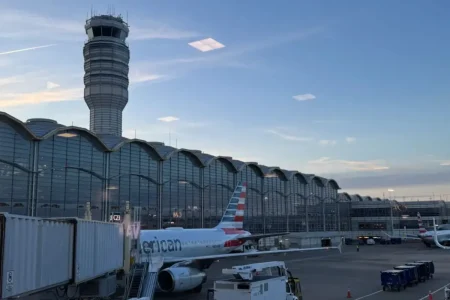
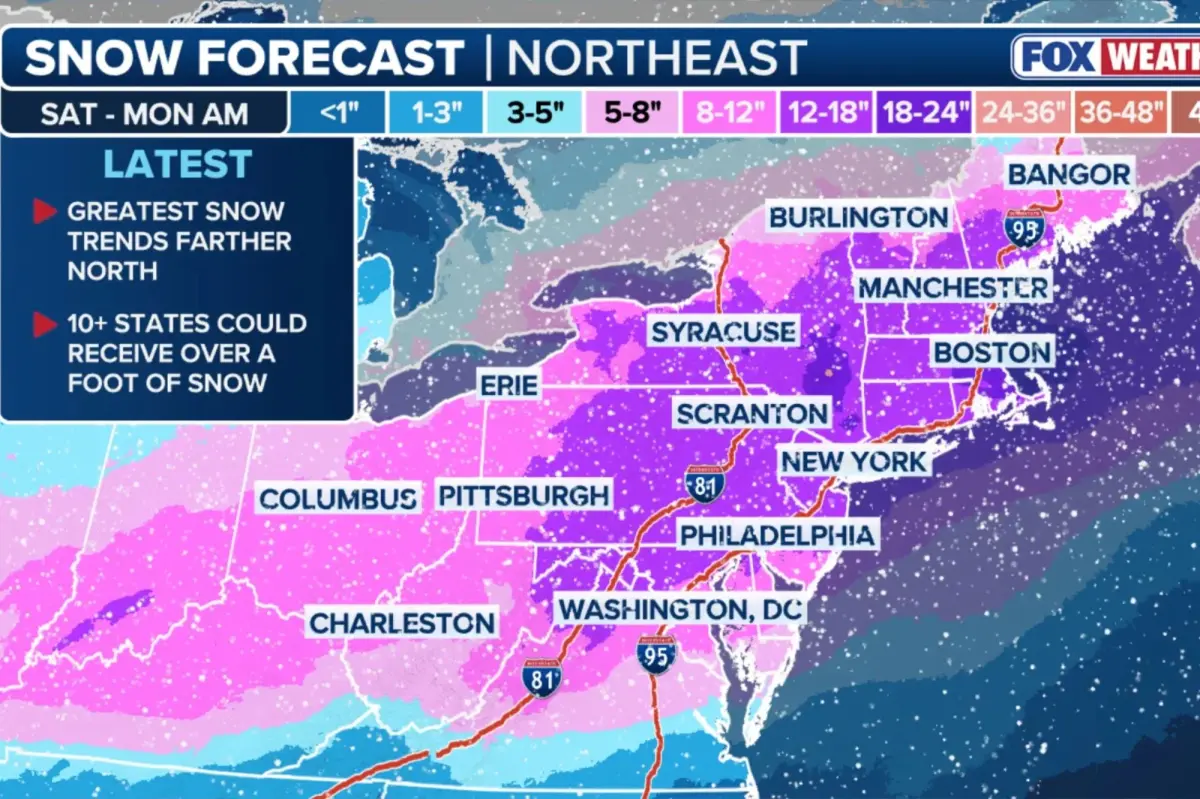
Sunday will see the storm system reach peak intensity as it moves into the Mid-Atlantic and Northeast regions. By Sunday morning, snow will be falling from northern Virginia potentially as far north as the New York tri-state area, while impacts continue across the Southeast through Nashville, Atlanta, Columbia, Raleigh, Wilmington, and Richmond. Throughout the day and into the evening, snow rates may reach as high as 1 inch per hour in some locations. Winter Storm Watches, which will likely be upgraded to Warnings or Advisories, have been issued from Washington D.C. through New York City and into Boston, as over a foot of snow is possible across 10 states in the Northeast. Major interstates including I-81, I-95, and I-20 will be affected, and airports across the East Coast should expect significant delays and cancellations as the storm dumps snow from Kentucky through Maine.
As the storm begins to wind down on Monday, moving from west to east, winter weather will persist as extremely low temperatures lock in snow and ice across affected areas. The Northeast, including New York City and Philadelphia, will likely continue to experience winter weather conditions, with the potential for snow to linger across portions of New England into Monday evening as the low-pressure system pulls away from the coast. The aftermath of the storm will bring dangerously cold temperatures to regions already struggling with snow and ice accumulation. In the South, locations from Dallas to Little Rock could wake up to temperatures in the single digits or even below zero by Monday morning—nearly 30 to 40 degrees below average for this time of year.
The persistent deep freeze following the storm will create additional challenges for recovery efforts throughout the affected regions. Cities from Atlanta to Raleigh and Wilmington will experience temperatures 15 to 20 degrees below average, with daytime highs struggling to reach the freezing mark for millions. Overnight lows are forecast to plunge into the 20s—potentially even the teens—through Tuesday and Wednesday mornings in some areas of the Southeast. This prolonged cold spell means any daytime melting will refreeze, creating hazardous black ice conditions and further complicating power restoration efforts. For areas unaccustomed to dealing with such extended periods of winter weather, the impacts could last well into the following week, affecting everything from school closures to business operations and essential services. Residents throughout the affected regions are advised to prepare for potentially dangerous conditions and limited mobility in the days ahead.