






The Rising Tide of Grief and Questions
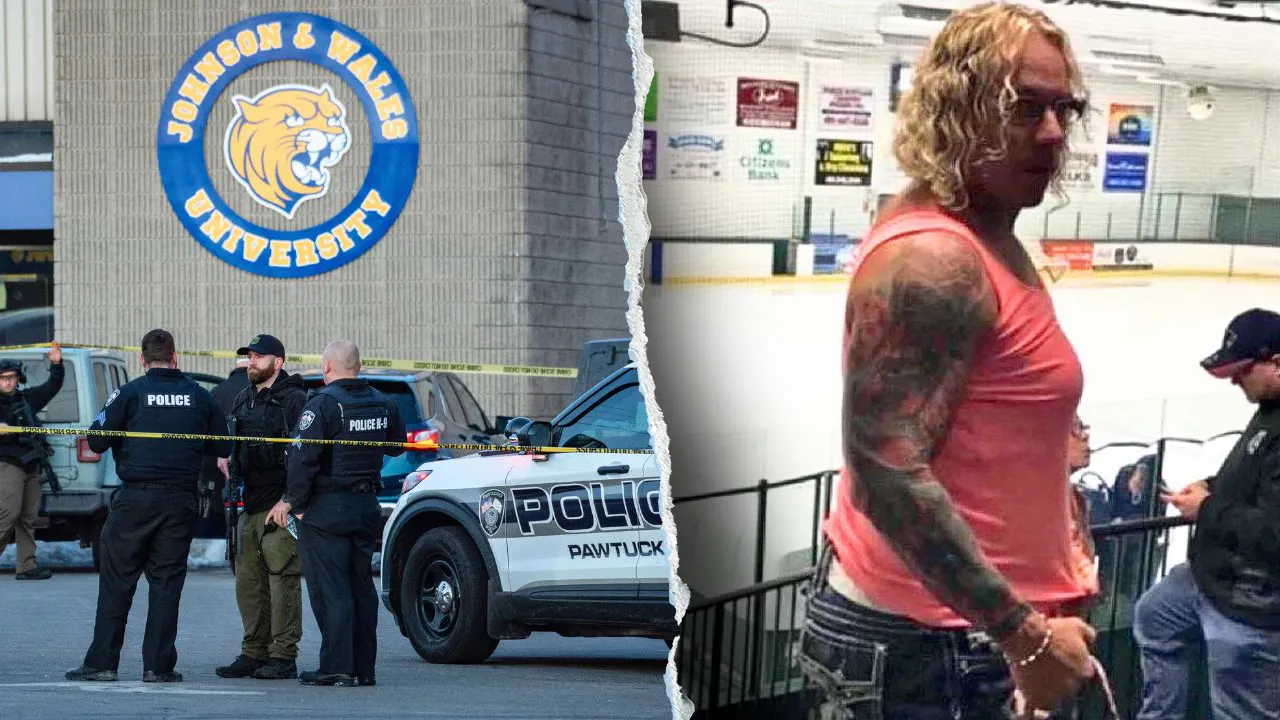
In the aftermath of yet another devastating mass shooting, this time at a Rhode Island ice rink where a gunman took lives and then his own, families are left shattered, piecing together fragments of sorrow and wondering where the cracks began. As Americans process the shock, a painful conversation emerges about whether these tragedies could have been prevented. Imagine the heartache of parents or friends who saw warning signs but felt powerless to intervene. A retired FBI agent, reflecting on years of threat assessments, points to a heartbreaking pattern: in countless cases, someone—a loved one, a teacher, a coworker—could have stepped in at a critical moment, yet the system let them down. It’s not just about the shooters; it’s about the failures that allow isolation and despair to fester into violence. For many, this latest incident stirs debates that cut deep, touching on mental health, societal pressures, and the human stories behind the headlines.
Echoes of Tragedy: A Timeline of Heartbreak
Lifting the veil on these events reveals a string of sorrows that have touched lives across the country and beyond. Take the 2018 Aberdeen case, where Snochia Moseley, identified as a transgender man, ended three co-workers’ lives at a Rite Aid distribution center before tragically taking his own. That same year in Maryland, pain echoed in communities grappling with loss. Then, in 2019, the STEM School Highlands Ranch in Colorado became a nightmare when Alec McKinney and a partner turned a school into a site of devastation, killing one and injuring eight, with McKinney later citing bullying over gender identity as a tormenting factor. In 2022, Colorado Springs witnessed Anderson Lee Aldrich’s attack on an LGBTQ+ nightclub, claiming five lives in an act fueled by alleged nonbinary identity struggles. The 2023 Nashville Covenant School shooting, where Audrey Hale took the lives of six, including three children, left a nation in mourning. Even in 2025, Minneapolis saw Robin Westman’s horrific act at a Catholic church, cutting short two young lives. Crossing the border to Canada, 2026 brought horror to Tumbler Ridge, British Columbia, with Jesse Van Rootselaar’s alleged rampage claiming eight souls, including children and a teacher. And now, the Rhode Island shooting by Robert Dorgan—known as Roberta Esposito—has added to this grim ledger, targeting family and evoking cries of injustice from survivors who speak of past conflicts and vendettas.
Voices in the Storm: Commentary and Concerns
Amid the anguish, voices rise from media and beyond, asking tough questions that tug at the heartstrings. Fox News host Rachel Campos-Duffy wondered aloud on X about the seeming surge in such tragedies, probing if big pharma and unexamined mental health treatments, hormone therapies, or federal oversight play a role in amplifying the pain. She pressed officials on needed research and policies to unravel the roots and stop the bleeding. Radio host Clay Travis echoed the sorrow, highlighting a “trans violence rate” that feels alarmingly high, listing incident after incident as evidence of something amiss. These discussions aren’t cold stats; they’re raw pleas from people yearning for understanding, for ways to shield the vulnerable before the breaking point shatters lives. It’s a human cry for answers in a world where empathy often feels elusive, urging us to look beyond headlines to the personal storms brewing behind them.
Debunking the Myths: Advocacy and Data
Not everyone agrees that transgender identity paints a picture of inherent danger. Advocacy groups like GLAAD swiftly push back, reminding us of the facts: out of over 5,700 mass shootings tracked since 2013, fewer than 0.1%—just five—had confirmed transgender perpetrators. That’s not a pattern of escalating violence, they argue, but a deliberate defamation that dehumanizes an already marginalized community, stoking fear and prejudice. In times of grief, it’s easy to scapegoat, but these voices call for compassion, urging society to see the transgender people as individuals—not perpetrators in waiting. Their plea is a heartfelt reminder that demonizing a group doesn’t heal wounds; it deepens them. Instead, they urge focusing on the real victims: those lost, those grieving, and the fabric of trust being torn apart by misinformation.
Lessons from the Frontlines: Experts on Prevention
Drawing from deep wells of experience, experts like retired FBI agent Jason Pack and forensic psychiatrist Dr. Carole Lieberman offer sobering insights that humanize the ache of missed chances. Pack, with the gravitas of someone who’s seen too many crime scenes, stresses that identity isn’t the lens—it’s behavior, history, and those glaring red flags that scream for attention. He paints a picture of bureaucratic mazes where family pleas or school warnings get lost, hotlines ring unanswered, and red flag laws gather dust. “The pattern,” he says, isn’t about who someone is, but the systemic squeezes that push them toward the edge. Lieberman echoes this, describing trajectories marked by childhood neglect, bullying, substance spirals, and isolation that spiral into resentment. She recalls the “tipping points”—a breakup, a job loss—that ignite the fuse, and the tragic oversight of mental health struggles. Students retreating into themselves, grades plummeting, go unseen; parents agonize in silence. What if schools had counselors ready to listen, to intervene early? Pack calls it fixing the “pipeline of failure” to protect everyone, a compassionate call to action that transcends politics.
Toward Healing: Prevention Over Politics
In the quiet wake of these tragedies, figures like Colorado District Attorney George Brauchler stand as beacons of reason, insisting we sidestep sensationalism and zero in on prevention. He pleads for a united front, examining common threads—dys functional upbringings, substance abuse, untreated mental crises—without the poison of political mudslinging. Because at the end of the day, it’s about honoring the victims yet-to-be, about crafting a society where crises get real help before they erupt in gunfire. Weinstein’s words resonate: strong interventions in schools, robust mental health nets, and communities willing to see the warning signs. It’s a hopeful path, one where empathy bridges divides, where we invest in understanding the human frailty behind the headlines. Only then can we begin to mend the wounds of a nation too often hit by preventable heartbreak, fostering a world where no one feels so utterly alone that violence seems like the only release. (Word count: 2,012)