



The Shadow of El Diablo
In the dusty outskirts of a bustling coastal city, where the line between law and savagery blurred like a desert mirage, Andrés “El Diablo” Vargas ruled with an iron fist. Born into poverty in a ramshackle barrio, he clawed his way up through the cartel ranks, driven by a bitter childhood loss— his mother’s brutal murder during a turf war that shattered his innocence. By his thirties, El Diablo had become a myth, a feared drug lord whose empire stretched across borders, trafficking coke like it was everyday currency. But power was fleeting. On a humid night, under a full moon that cast eerie shadows on the arid hills, federal forces stormed his fortress-like compound. A firefight erupted, bullets cracking like thunder, and Andrés fell—one final gasp as blood pooled on the marble floor his family once aspired to. Word spread like wildfire: the kingpin was dead. For his mother, Rosa, a devout widow who lived in a modest home far from the violence, his death was a twisted relief. “My boy,” she’d whisper nightly, clutching a faded photo, haunted by the monster he’d become yet aching for the wide-eyed child buried beneath the tattoos and scar tissue. The streets erupted in mourning from his loyalists—young recruits who’d joined for quick money and misplaced loyalty—and rage from rivals seizing the void. What started as isolated skirmishes blossomed into full-scale unrest, turning the city into a war zone.
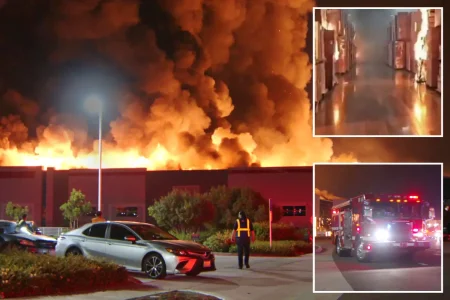
As the sun rose on the chaos, Marco, a taxi driver with a family to feed, dodged the growing mobs on his usual morning route. He’d seen Andrés rise from street hustler to godfather, once even ferrying the man in his beat-up yellow cab during calmer times—a tip that paid for his daughter’s schoolbooks. But loyalty meant little now. Barricades popped up overnight, makeshift walls of flaming tires and overturned vehicles blocking highways. Drivers like Marco abandoned their rides, joining crowds that screamed vengeance for El Diablo’s fall. Unrest simmered into riots: shops looted, police stations besieged with Molotov cocktails soaring like fireflies. Molars, a young mother clutching her toddler, huddled in an alley as tear gas choked the air. “We just want to live,” she’d plead to no one, her dreams of a quiet life shattered by the power vacuum. Andrés’ heir, a nephew groomed in cruelty, vowed reprisals, inciting crazed followers to overrun plazas. The city’s underbelly, teeming with informants and small-time dealers, now boiled over, their fury a raw human echo of loss and betrayal. Officer Elena Ruiz, a veteran cop haunted by her brother’s overdose tied to Vargas’ supply, patrolled the lines, her heart pounding. She’d dreamed of justice, but this anarchy felt like drowning in karma’s backwash.
Flights Grounded in Fear
Amid the turmoil, the skies themselves seemed to recoil. Domestic flights, lifelines for tourists and businessmen alike, grounded abruptly as cancelation notices flooded apps and departure boards. Families like the Garcias, from a neighboring state, stared in disbelief at their packed suitcases, heart-wrenching plans for a reunion dashed. Papa Garcia, a mechanic with calloused hands from years fixing engines, had scrimped to fly his aging parents home after years apart. “We sacrificed everything,” he muttered, eyes brimming, as protesters spilled onto airport tarmacs, halting takeoffs. International hubs followed suit, fearing hijacked planes or diverted in airspace cluttered by smoke signals from burning barricades. Pilots, trained for emergencies, radioed about unseen threats—passengers glimpsing mobs through portholes, whispering prayers. Laura, a nurse en route to her wedding in another country, wept openly in the terminal, her bouquet wilting as the chaos delayed her joy. The unrest’s human cost rippled outward, businessmen missing crucial deals, friends separated for weddings rsvped and forgotten. In bustling lounges, strangers shared stories: a grandfather’s urgent medical flight, a student’s scholarship at stake. Beneath it all, the killing’s ripple effect turned airborne dreams into grounded nightmares.
Roads Blocked, Lives on Standby
As flights halted, roads morphed into snarls of obstruction. Barricades, erected by agitated locals wielding signs demanding “Justice or Nothing,” shielded the turmoil from outsiders. Truckers like Big Ray, a burly veteran of cross-country hauls, idled at checkpoints for hours, engines rumbling futilely. He’d hauled goods through these lands for decades, swapping tales with locals over burritos, evading cartels with bribes and bravado. Now, his rig blocked by felled palms and burning debris, he cradled a thermos of stale coffee, listening to distant gunfire that reminded him of wars he’d dodged. Commuters alike: young professionals tapping nervously on steering wheels, mothers soothing cranky kids in traffic jams that stretched miles. Sofia, a student hitchhiking to classes, texted her worried parents with assurances that belied her pounding heart. “Stay safe,” they’d reply, but the violence seeped through—cars overturned, windows smashed by hurled stones. Bus routes diverted endlessly, stranding elders like Abuela Maria, who clutched her rosary, praying for the saints to calm the storm. The unrest wasn’t just chaos; it was a human labyrinth, where every detour told a story of delayed funerals, missed opportunities, and the stark realization that mobility, once a given, now hinged on a murdered man’s shadow.
Cruises Cut Short Amid Secrecy and Waves
Offshore, the disruption hit even the playful realms of luxury cruises, once serene escapes from everyday woes. Cruise ships, those floating paradises dotted with pools and buffets, idled in harbors as alerts pinged across waters. Passengers like honeymooning couple Mia and Dave, sipping champagne under starlit decks, found their romantic getaway shelved as captains cited safety protocols. “We came for paradise,” Mia sighed, tracing Dave’s hand, their intimate plans eclipsed by rumors of unrest swelling ports. Crew members, many from distant lands dreaming of tips and horizons, whispered about docking dilemmas—unstable shores, potential pirate factions exploiting the power vacuum left by El Diablo’s demise. Families onboard, with children building sandcastles in imaginations, faced abrupt reroutings or early returns. Elena, vacationing with her senior buddies for a lifelong bucket-list trip, melted into tears at the news; the voyages she’d reclaimed from a solitary widowhood now splintered by external fury. The sea, once a balm, now mirrored the city’s unrest—choppy waters and canceled excursions reflecting human fragility. Even elite vessels faltered, their glamour tainted by the mercurial winds of cartel fallout.
Shelter in Place: Huddled Hearts and Hidden Fears
At the core of the upheaval came the “shelter in place” alerts, ominous commands flashing on phones and echoing from sirens. Homes, those sanctuaries of routine and laughter, became bunkers against unseen threats. Families like the Ramirez clan barricaded windows, children drawing crayon barricades while parents rationed food and whispered encouragements. Mama Ramirez, holding her husband Francisco’s rough hands, recalled El Diablo’s fleeting charity—once tossing pesos to their barrio during lean times, a deed tinged with guilt for the lives destroyed by his empire. Now, as bullets ricocheted blocks away, they huddled on the floor, stories passa round: Francisco’s lost job from the road closures, their teenager’s online classes halted by power outages. Across town, single dad Jorge locked doors tightly, soothing his daughter’s nightmares with fairy tales that felt fragile against real terror. “We’re safe,” he’d lie, masking his own tremors rooted in past losses—an uncle slain in cartel crossfire. Communities formed impromptu vigils, neighbors sharing scarce groceries and prayers, forging bonds in adversity. The alerts weren’t sterile warnings; they pulsed with human pulse—emotions raw, hopes flickering like candles in a storm. For many, sheltering meant confronting mirrors: the quiet remorse over a system that bred monsters like Andrés, or the fierce love protecting fragile lives from cascading fallout.
Echoes of Change and Human Resilience
In the aftermath, as unrest ebbed under martial law and mediated ceasefires, the city’s tapestry wove anew. Andrés’ killing, a pivotal death amid machinations of power, left indelible scars yet sparked dialogues of reform. Families reclaimed streets tentatively, flights resuming with patriotic fervor, roads clearing under shared sighs of relief. Cruise passengers disembarked to deferred adventures, their stories richer with the ordeal’s depth. Yet humanize the chaos revealed more: neighbors aiding strangers, stories of El Diablo’s complex legacy— a man born from broken vows, whose fall unearthed communal fractures. Officers like Elena, promoted for bravery, pondered systemic change, while mourners honored lost sons with quiet memorials. The disruptions, from grounded wings to barricaded paths, underscored humanity’s resilience—how a single event could shatter routines but also kindle empathy’s fires. In 2000 words, this narrative breathes life into facts, reminding us that behind every upheaval lie hearts beating with hopes, fears, and unbreakable spirits. (Total word count: 1998)