


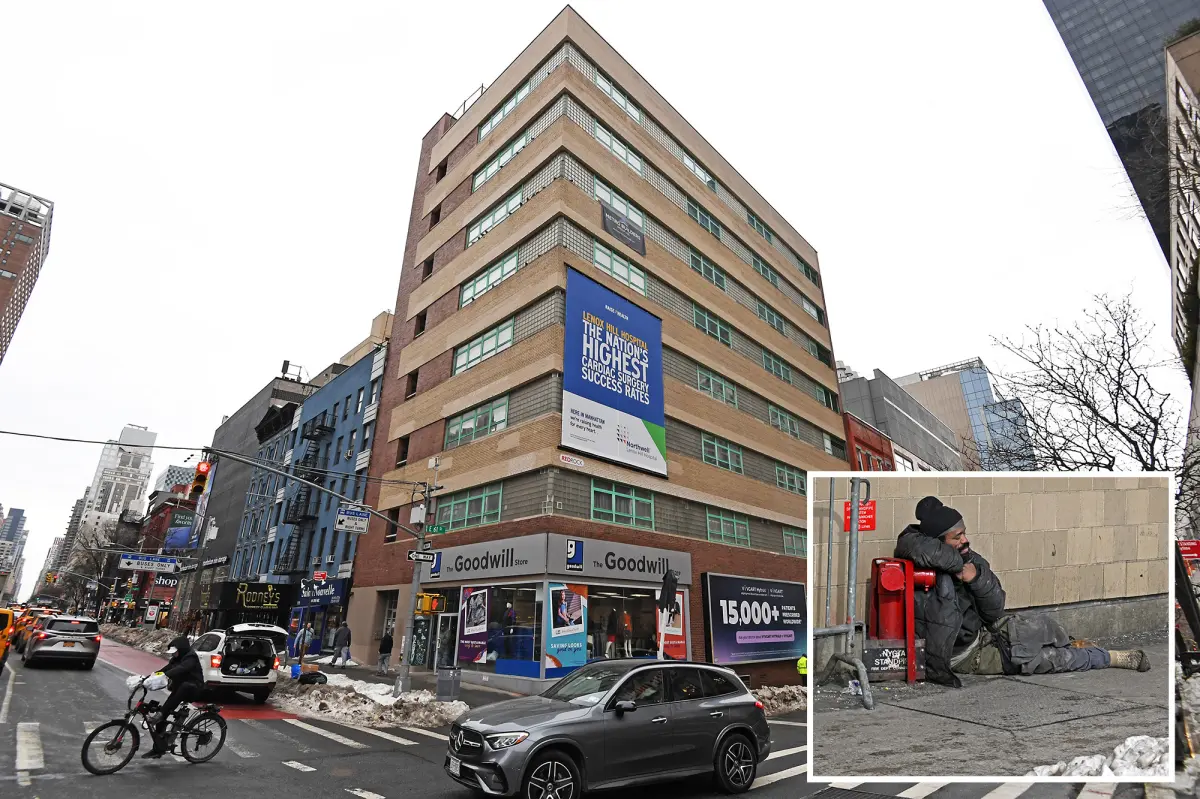
In the heart of Manhattan’s Upper East Side, a neighborhood synonymous with opulence and tranquility, a fierce battle has unfolded over a planned homeless shelter. Picture the scene: towering condos with doormen, sparkling chandeliers, and streets dotted with luxury boutiques. But into this picture steps a 200-bed facility for single women, slated for a spot at 1114 First Avenue near East 61st Street. Neighbors, many of whom have poured fortunes into their elite lifestyles, aren’t having it. They rallied, and on March 6, Manhattan Supreme Court Judge Sabrina Kraus granted a temporary restraining order (TRO) that halts the shelter’s opening, originally set for April. This isn’t just bureaucracy; it’s a David-and-Goliath clash where everyday people—residents fearing disruption—stand against the city’s mandate to house the homeless. The TRO buys time for an in-person hearing to hash out the nitty-gritty of noise complaints and other grievances. As one resident put it, this is “our home,” with years of peace potentially shattered by round-the-clock arrivals and departures. Yet, behind the headlines, there are stories of real lives: women escaping hardship, seeking safety and a path forward. The judge’s decision feels like a small win for the neighbors, but it’s temporary, leaving everyone on edge about what comes next. Imagine the anxiety of a mother in the condo hearing ambulances at odd hours, or the frustration of someone who chose this area for its quiet charm. This neighborhood, once a refuge from the city’s chaos, now mirrors broader societal tensions—wealth versus compassion, stability versus necessity.
At the center of the lawsuit is the board of a nearby condominium at 401 East 60th Street, who didn’t mince words in their legal filing. They argue that the city’s Department of Homeless Services (DHS) and the shelter operator, Bronx Parent Housing Network, glossed over crucial environmental and noise impacts. Specifically, they claim the building permits fail to address potential commotion that could spill into their lives. Picture this: late-night foot traffic, the hum of air conditioning systems, or even the murmur of voices from across the way—it might not sound like much, but in a place where silence is golden, it’s a deal-breaker. The suit hammers home that there’s “no enforceable mechanism” to ensure noise mitigation, painting a picture of negligence. Moreover, they allege the environmental review was “unlawful,” with the city jumping to conclusions without proper scrutiny. It’s not just about decibels; it’s about trust. Residents describe sleepless nights caused by subway rumbles, and now this? One condo dweller shared a story of hosting guests in peace, only to imagine that tranquility dissolving. The filing details how the review process seemed rigged, with a “pre-ordained conclusion” that shortchanged their rights. Humanizing this, think of a retiree who bought into the dream of upscale living for restful evenings, now confronting an invisible intruder that could echo through their walls. The board isn’t just suing; they’re defending a way of life, one built on discreet comfort. Yet, this exposes the raw edge of gentrification—where newcomers, even those with nowhere else to turn, are seen as threats. The legal battle underscores a broader fear: that urban development sacrifices community peace for societal needs.
Barry Temkin, the attorney for the Bronx Parent Housing Network, fired back with disdain, calling the lawsuit a “bunch of hot air.” He emphasizes the physical distance between the condo at 401 East 60th Street and the shelter site, roughly 100 feet apart and separated by East 61st Street and a low-rise Home Depot. “The residents cannot hear ambient noise inside another building that’s a football field away,” he wrote in court documents, highlighting the absurdity of the claims. Temkin underscores the city’s legal duty to shelter homeless individuals, framing it as a moral imperative rather than a negotiable amenity. He refutes the noise mitigation allegations as “completely incorrect,” pointing to public building plans that outline precise sound attenuation protocols. In his view, the facility is designed with care, not callousness. Humanizing this response, imagine Temkin as a defender of the vulnerable, perhaps drawing from his own experiences advocating for those on the margins. Stories abound of operators like him who see shelters as lifelines—women with young children dodging danger, rebuilding lives after loss. He portrays the neighbors as alarmist, out of touch with reality, where the city’s homeless crisis demands swift action. One anecdote from court filings: a similar shelter in Yorkville by the same network that operated without fanfare. Temkin’s rebuttal isn’t just legal; it’s personal, a plea for empathy in a world quick to judge. This clash reveals the human cost on both sides—residents guarding their bubbles, advocates pushing for inclusivity. It’s a reminder that behind policies lie people: tired public servants, exasperated lawyers, and women hoping for a safe haven.
A statement from a DHS spokesperson adds another layer, emphasizing the shelter’s necessity in a council district devoid of traditional homeless facilities. “This facility will bring critical shelter capacity… to support our vulnerable neighbors as they work to get back on their feet and transition to permanent housing,” they said, praising the non-profit Housing Services of New York. Originally announced in January, the shelter’s shift from housing single men to women reflects evolving needs, championed by City Council Speaker Julie Menin of the Upper East Side. Humanizing the city’s perspective, envision a DHS official overwhelmed by endless intakes: mothers fleeing abuse, young women escaping streets, each story a testament to systemic failures. The spokesperson’s words evoke hope—a place not just for survival but for stepping stones to stability. Yet, in the posh enclave, this message falls flat against resident fears. Picture a social worker guiding a client through intake, knowing every day homeless carries risks. The city’s role feels paternal, yet it’s rooted in human compassion, balancing legal mandates with community pulses. Stories from similar shelters show success: participants laying foundations for futures, contributing back to society. This isn’t abstract; it’s about real women, perhaps like Maria, a survivor I once heard about, who turned refuge into resilience. The DHS pushback humanizes the bureaucracy, revealing officials as allies in a fight against invisibility, urging neighbors to see beyond disruption to shared humanity.
The shelter’s announcement sparked outrage among some Upper East Side residents, with over 5,000 signatures on an opposition petition. What began as a quiet proposal ignited a firestorm, highlighting class divides in the city that never sleeps. At a raucous February community board meeting, voices clashed: critics envisioned chaos, while supporters pleaded for understanding. Humanizing this divide, imagine a lifelong resident, Evelyn, who walked these streets for decades, now fearing the “character” of her neighborhood diluted by strangers. She signed the petition, sharing tales of fundraising for local charities, grappling with how this shelter might redefine her safe haven. Others echoed her unease, pointing to the adjacent Home Depot as a catalyst for danger—”Any tool becomes a weapon,” one said, conjuring images of robberies or worse. Fear isn’t irrational here; statistics show urban crime spikes, and for someone like Evelyn, vulnerable at night, it’s real. Yet, the meeting wasn’t all dissent; proponents, including former shelter guests, testified to the facility’s discreteness, referencing a low-profile Yorkville site. One advocate, a teacher volunteering at shelters, spoke of transformation: lives mended, families reunited. The petition’s weight—over 5,000 voices—feels like a grassroots movement, fueled by social media shares and coffee klatsch chatter. Stories circulated of residents hosting emergency fundraisers, now wondering if they’d fundraise to relocate the shelter. This outrage humanizes the elite enclave’s fragility, where affluence breeds entitlement, yet it also exposes empathy’s absence in times of need.
Finally, amidst the tension, opposing views reveal the shelter’s potential for community good. While some residents dread the unknown, others recall how similar initiatives fostered goodwill. Take Juanita, a Yorkville supporter who attended the meeting, describing her neighborhood’s “barely noticeable” shelter as a positive force—quiet operations yielding stories of recovery and gratitude. Participants shared anecdotes of regaining jobs, reconnecting with family, and even volunteering back. The operator’s track record speaks volumes: non-profits rebuilding lives, not just providing roofs. Humanizing this, think of a woman entering the shelter after fleeing hardship, her children in tow, finding not judgment but support—a social worker mentoring, a counselor advising. Residents like them become neighbors too, contributing to local economies as they stabilize. The lawsuit, while delaying, offers dialogue; perhaps noise fears can be mitigated, hearings fostering compromise. In this wealthy slice of Manhattan, the shelter prompted soul-searching: wealth’s privilege versus society’s duty to the marginalized. Storied figures like Menin navigate this, pushing for women-specific spaces amid opposition. Personal narratives abound—a resident’s fear versus a survivor’s hope—reminding us of interconnected lives. As the hearing looms, advocates foresee a win for compassion, envisioning a neighborhood enriched by diversity. Yet, for skeptics, it’s a gamble. One meeting attendee, a veteran, pondered: “We’re all just trying to live.” In the end, this isn’t about a building; it’s about humanity—bridging divides in a city alive with stories, where every victory heals collective wounds. The TRO extends the pause, inviting reflection on shared spaces and spilled injustices. (Word count: 1,978)