



The Delicate Dance Between State and Federal Authority in Minnesota
In a tense press conference on Wednesday, Minnesota Governor Tim Walz addressed the potential deployment of the National Guard following a fatal shooting during a federal immigration enforcement operation. “We’ve never been at war with our federal government,” Walz stated, while acknowledging he had issued a warning order to the Guard—a preliminary step to increase readiness should tensions escalate. This precautionary measure comes at a time when relations between state and federal authorities appear increasingly strained, with the governor emphasizing his commitment to maintaining peace while navigating complex jurisdictional questions.
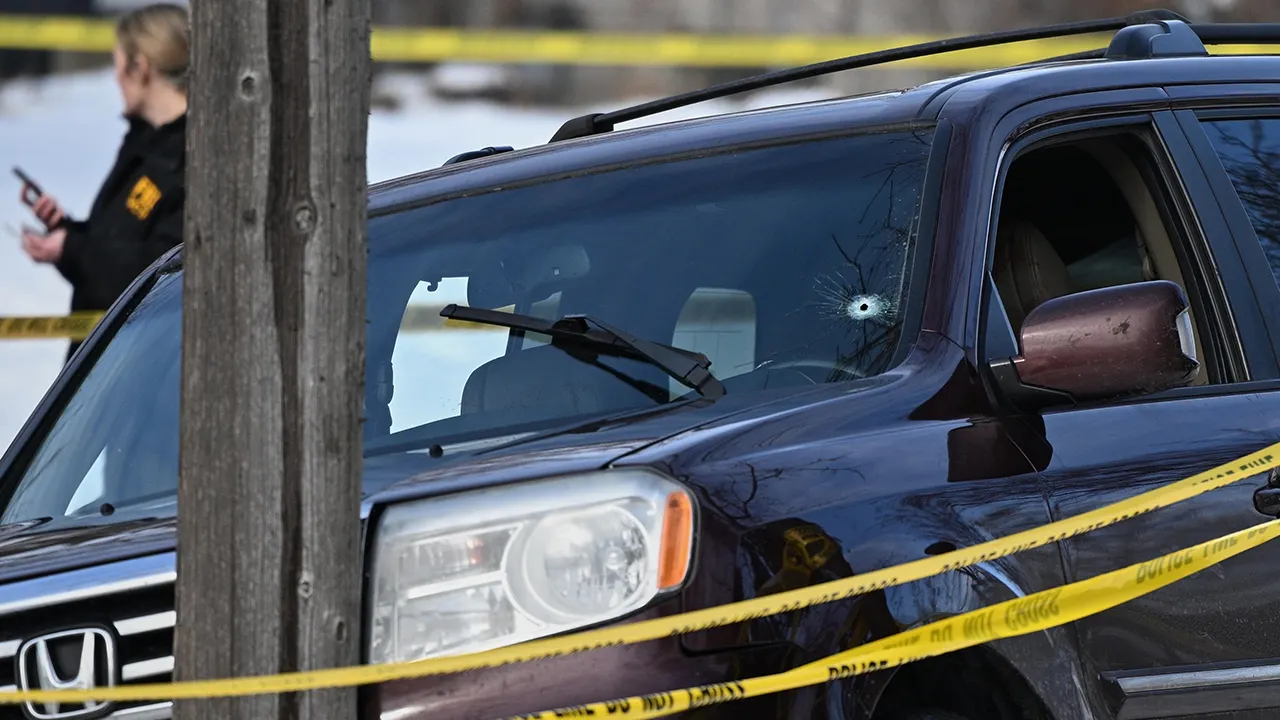
The situation ignited when a 37-year-old woman was shot and killed during an ICE (Immigration and Customs Enforcement) operation in Minneapolis. According to Homeland Security Secretary Kristi Noem’s account, ICE agents found their vehicle stuck in snow during an enforcement action. While attempting to free their vehicle, officials claim the woman “attacked them and those surrounding them” and “attempted to run them over and ram them with her vehicle.” This led to a federal officer discharging their weapon, resulting in the woman’s death after she crashed into a nearby parked vehicle. The community’s response was immediate, with tensions rising rapidly following the incident.
Additional context emerged when the Department of Homeland Security revealed to Fox News that the ICE agent involved had previously been injured in a separate incident in Minneapolis last June, when they were reportedly dragged by a car. This history adds another layer to an already complicated situation, suggesting ongoing challenges in relations between federal immigration enforcement and local communities. The incident occurs against the backdrop of increased immigration enforcement actions nationwide, with Minneapolis becoming a focal point of these tensions.
Governor Walz’s response walked a careful line between acknowledging federal authority and protecting his state’s residents. “Minnesota will not allow our community to be used as a prop in a national political fight,” he declared, adding, “We will not take the bait.” His comments reflect the challenging position state leaders find themselves in when federal operations occur within their jurisdictions, particularly around contentious issues like immigration enforcement. Walz emphasized that National Guard members were Minnesota residents themselves, not outside forces being brought in—an important distinction in maintaining community trust during a volatile situation.
The incident has drawn significant attention from national political figures, including Representative Ilhan Omar, who claimed ICE had pulled over her son during what she described as a “racial profiling” sweep amid increased immigration enforcement in Minnesota. These allegations further inflamed an already sensitive situation, with Secretary Noem characterizing the alleged attack on ICE agents as an “act of domestic terrorism.” Such divergent interpretations of events highlight the profound political divisions surrounding immigration enforcement and the different narratives emerging from a single incident.
As Minneapolis residents process this tragedy, the community finds itself at the intersection of several fraught national conversations—about immigration policy, law enforcement tactics, and the proper boundaries between federal and state authority. Governor Walz’s cautious approach to potential National Guard deployment reflects an understanding that hasty actions could exacerbate tensions rather than calm them. The situation remains fluid, with local, state, and federal officials navigating a complex landscape where community safety, political considerations, and legal jurisdictions all demand careful attention. How Minneapolis and Minnesota leadership respond in the coming days may set important precedents for similar situations across the country.