





ICE Operation in Minnesota Faces Disruption During Child Sex Offender Arrest
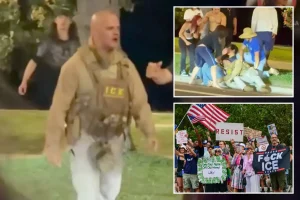
In a tense scene that has captured national attention, a viral video from Minnesota shows Immigration and Customs Enforcement (ICE) agents confronting protesters who were allegedly interfering with the arrest of a suspected child sex offender. The video, which rapidly gained over 750,000 views on social media, depicts the growing tensions between federal immigration enforcement and local activists in the Twin Cities region. In the footage, an ICE agent can be seen addressing individuals who he claims were honking their car horns and disrupting the federal operation in St. Paul. “We’re here to arrest a child sex offender and you guys are out here honking,” the agent states with visible frustration, while someone off-camera claims to be press rather than protesters. The confrontation highlights the increasingly complicated dynamics surrounding immigration enforcement actions, where legitimate law enforcement operations sometimes face organized resistance from community members.
The video continues to show various interactions between the agent and people in vehicles near the operation site. In one segment, the agent stands beside a vehicle as its occupants repeatedly sound the horn despite his attempts to communicate. Another portion shows different individuals questioning the legitimacy of the arrest while apparently trying to direct the agent away from the scene. Perhaps most tellingly, a woman can be heard in the background instructing others, “Just go. They’re lying. Don’t listen to them,” while attempting to wave vehicles past the operation. These moments capture the deliberate efforts to impede what federal authorities maintain was a legitimate law enforcement action targeting an individual accused of serious crimes against children, rather than routine immigration enforcement.
This incident has drawn responses from high-ranking officials, including Department of Homeland Security Assistant Secretary Tricia McLaughlin, who publicly praised ICE and Customs and Border Protection officers for continuing their work “despite increasing resistance.” White House Press Secretary Karoline Leavitt posted “God Bless ICE” – a message later reshared by the official White House account, signaling administration support for the agents’ work. Even Elon Musk weighed in on the viral footage, simply describing it as “Crazy.” The bipartisan reaction from officials suggests concerns about the potential risks of obstructing federal law enforcement operations, particularly those targeting individuals accused of serious crimes beyond immigration violations.
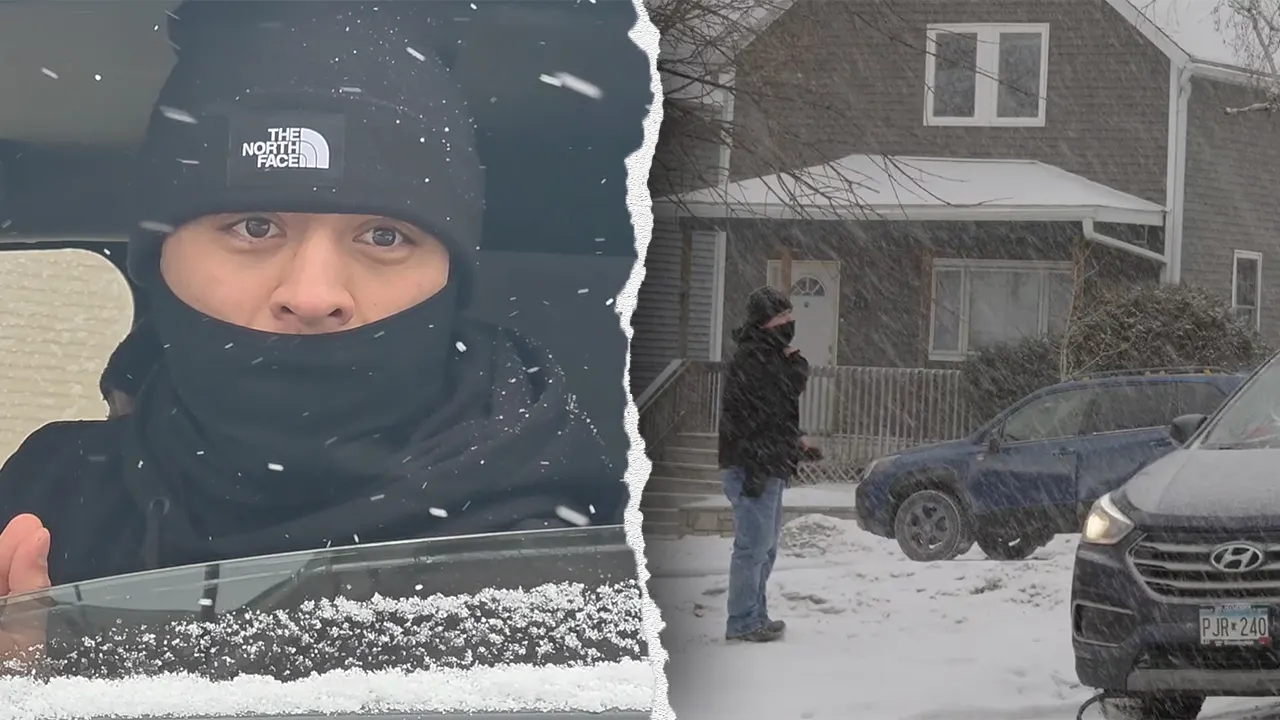
The St. Paul confrontation represents just one episode in what authorities describe as a pattern of escalating tensions between federal immigration officers and activists in Minnesota. Earlier in January, these tensions turned deadly when 37-year-old Renee Nicole Good was fatally shot by an ICE officer after allegedly blocking an immigration operation and driving toward the officer. The incident has further polarized opinions on immigration enforcement tactics and the appropriate boundaries of protest. Other confrontations have reportedly included protesters following and harassing federal agents, throwing snowballs at officers, and screaming obscenities through bullhorns at close range – actions that in some cases have prompted officers to deploy pepper spray and tear gas to maintain operational security.
The situation in Minnesota appears to reflect broader national divisions on immigration enforcement, with some community members viewing ICE operations as inherently harmful to immigrant communities, while others emphasize the agency’s role in apprehending individuals accused of serious crimes. The particular incident captured in the viral video – focusing on a suspected child sex offender rather than someone whose only violation was immigration status – complicates the narrative for those opposed to all ICE operations. It raises questions about whether there should be distinctions between immigration enforcement targeting violent or sexual offenders versus those whose only violation relates to their immigration status, and whether obstruction tactics are appropriate in cases involving alleged predators.
The tensions have escalated to such a degree that, according to Fox News Digital, the Trump administration is preparing 1,500 troops for potential deployment to Minnesota, suggesting federal authorities anticipate continued or possibly worsening confrontations. This potential military involvement would mark a significant escalation in what began as routine law enforcement operations. As the situation continues to develop, it underscores the complex intersections of immigration policy, law enforcement, community activism, and public safety that characterize contemporary American political discourse. The incident demonstrates how even operations targeting individuals accused of serious crimes like child sexual abuse can become entangled in broader political disputes about immigration enforcement, leaving communities divided and federal officers caught in increasingly difficult operational environments.