






The Tragic Shooting in Brooklyn
In the heart of Brooklyn, a neighborhood that has long been a tapestry of diverse lives and shared struggles, a senseless act of violence shattered the innocence of a young family on a seemingly ordinary Wednesday afternoon. Seven-month-old Kaori Patterson-Moore was asleep in her stroller, nestled against the warmth of her mother’s protective embrace, as they strolled along the bustling streets. Kaori’s father walked nearby, his hand gently guiding her two-year-old brother, who toddled with the carefree curiosity of childhood. Life, for this family, revolved around these simple moments—tender picnics in the park, bedtime stories whispered in the dim light, and the quiet joys of watching their children grow. But in an instant, shadows descended as gunshots rang out, fired by unknown hands, turning their world upside down. The mother, her heart pounding, instinctively pushed the stroller into a nearby bodega, a small corner store where locals gather for coffee and gossip. Her family ducked behind the counter, the air thick with fear as bullets whizzed past. Kaori, struck by this blind aggression, was rushed to a hospital, where doctors fought tirelessly to save her fragile life, but it was too late. Pronounced dead shortly after arrival, Kaori’s tiny form became a symbol of lives cut short by gang disputes that ripple through communities like hers. This wasn’t just a statistic; it was a family torn apart, leaving a mother grappling with unimaginable grief, a father haunted by what-ifs, and a little boy who now faces a future without his sister’s laughter echoing through their home. Authorities labeled the incident as “gang-related,” suspecting that Kaori’s father might have been the true target, ensnared in the web of rivalries that plague urban landscapes. As news spread, neighbors shared stories of stepped-up patrols and community vigils, their voices echoing the collective pain of a city that has seen too much loss. Local bodegas like the one where the family sought refuge became impromptu memorials, with candles flickering and heartfelt notes pinned to doors. The police, poring over evidence, pieced together a narrative of desperation and recklessness, vowing to bring justice for Kaori’s sake. In the days that followed, emotional family photos emerged—Kaori cradled in her mother’s arms, her big brother beaming with pride beside her—reminding everyone of the irreplaceable innocence stolen. Residents spoke of heightened tensions in housing projects, where gangs vie for control, turning safe havens into battlegrounds. Kaori’s mother, in a quiet interview, recalled the dreams she had for her daughter: ballet lessons, first days of school, the promise of a life filled with love and possibility. Now, those dreams lay shattered, a harsh reminder of how quickly violence can erase futures. The community rallies, with fundraisers organizing toys and support for the bereaved family, demonstrating the resilience of human spirit amid tragedy. Police officers, many with their own families, confided in each other about the toll such cases take, blurring the lines between professional duty and personal empathy. Kaori’s story became a rallying cry, prompting neighbors to organize block parties where parents pledge to watch over each other’s children, fostering a sense of unity born from sorrow. The air itself seemed heavier, tinged with the scent of rain-slicked streets and the distant sirens that now punctuate Brooklyn’s nights. As the investigation deepened, it unearthed tales of strained personal lives intertwined with broader societal issues, highlighting the stark divide between those who perpetuate chaos and those who rebuild from its ashes. Each detail painted a picture not just of crime, but of human fragility, urging introspection on how to prevent such heartaches from recurring.
The Chase and Crash Captured on Video
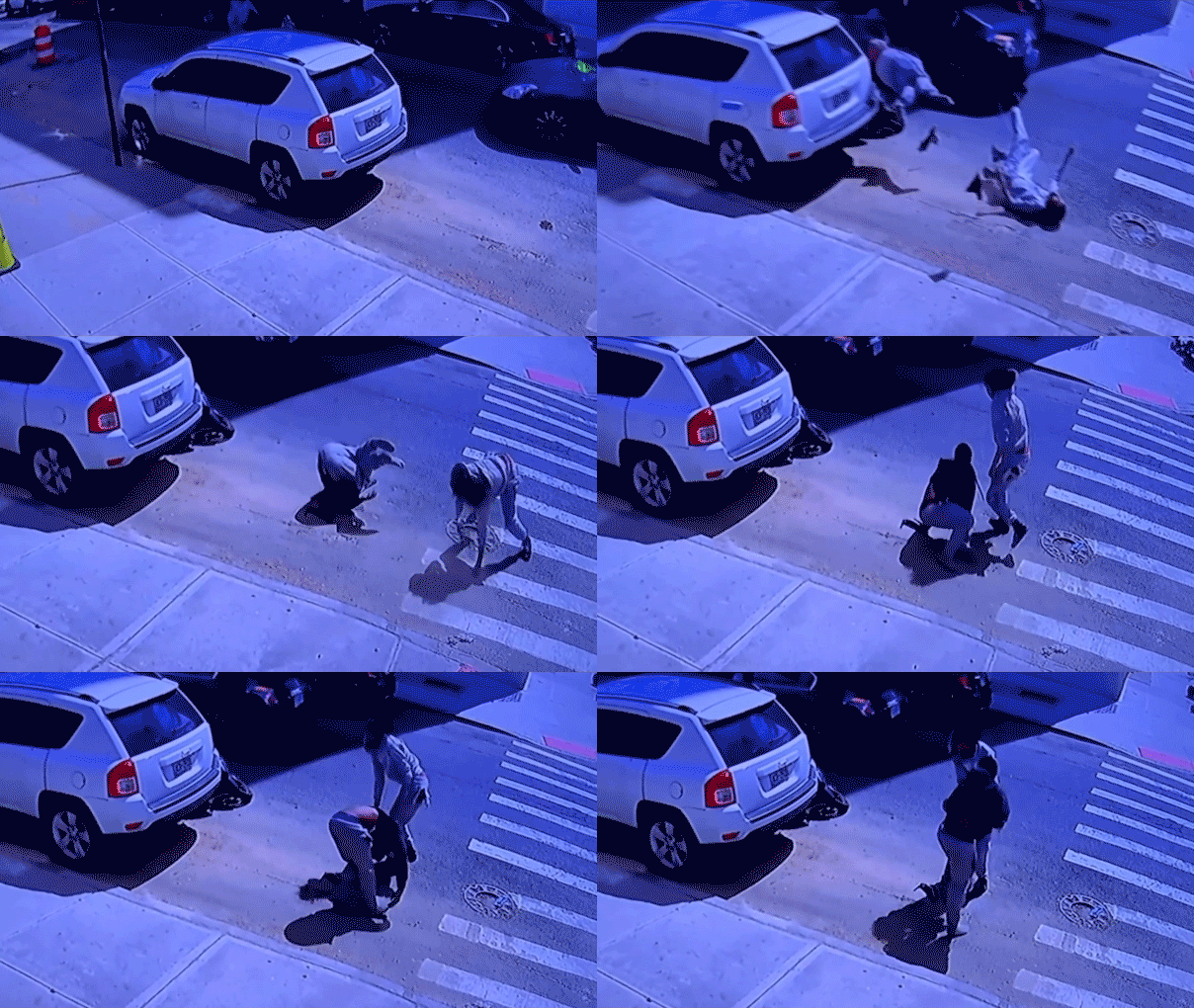
Surveillance footage from that fateful day captured the raw chaos that followed the shooting, transforming a serene street scene into a scene of frantic escape and inevitable collision. The two suspects, later identified as Amuri Greene, a 21-year-old with a history of affiliations to local gangs operating out of Brooklyn’s housing projects, and Matthew Rodriguez, an 18-year-old barely out of his teens, sped away on a moped, their faces etched with panic. Greene, perched as the rear passenger and believed to be the triggerman wielding a gun that claimed Kaori’s life, clutched the side as they weaved through traffic. Rodriguez, at the handlebars, drove recklessly, racing against the wrong direction on a one-way street in a bid for freedom. The footage shows the moped hurtling towards a black sedan approaching lawfully, the drivers’ calm expressions suddenly twisting into shock. In a violent crash, the powerful impact hurled both men off the vehicle, their bodies slamming onto the hard pavement with jarring force. Greene, landing awkwardly, suffered a broken leg in the tumble, his groans audible even through the grainy video as he writhed in pain. Rodriguez fared little better, staggering to his feet with a limp, his youth evident in the wide-eyed terror that flickered across his face. Debris scattered wildly—helmets bouncing, the moped skidding sideways—as onlookers in the footage froze momentarily before springing into action or retreating in fear. The two men, dazed but determined, scrambled to retrieve scattered belongings, their hands trembling as they tried to salvage items from the wreckage—perhaps money, phones, or remnants of the gunfight—before limping back to the crumpled moped in a futile attempt to flee further. This moment, replayed endlessly in police stations and media outlets, humanized the perpetrators in a twisted way: Greene appeared not as a cold-blooded killer but as a frightened young man in agony, his gang bravado stripped away by the adrenaline of pursuit. Rodriguez, little more than a boy, hopped with injury, his features betraying the naivety of youth caught in adult-sized crimes. Bystanders in the video, ordinary commuters and pedestrians, paused from their routines—some reaching for phones to call authorities, others watching in stunned silence—reminding viewers that such tragedies disrupt countless lives. Traffic came to a halt, horns blaring as confusion reigned, turning a ordinary midday drive into a nightmare. Greene’s arrest came swiftly after he was hospitalized for his injuries, booked on domestic violence charges unrelated yet underscoring his turbulent life. Rodriguez’s capture in Pennsylvania days later spoke to the relentless manhunt led by the NYPD’s fugitive task force, who chased leads across state lines, fueled by community outrage and familial grief. In interviews, officers discussed the emotional weight of viewing such footage, noting how it blurred the line between heroes and villains, evoking pity for the broken individuals in pursuit. This video became more than evidence; it was a cautionary tale of choices gone awry, prompting discussions in community centers about mentoring at-risk youth like Rodriguez, who might have traded potential for peril under gang influence. Family friends mourned, sharing anecdotes of Greene’s troubled upbringing, marked by instability and peer pressure, suggesting paths not taken towards redemption. The crash site itself morphed into a sad landmark, where locals laid flowers and plastic baby items, symbolizing the intersection of innocence and brutality. Psychologists weighed in, explaining the shock and dissociation that accompanies sudden violence, urging heightened mental health support for all affected. Overall, the footage encapsulated a city’s collective sigh—a momentary freeze-frame of tragedy that demanded justice and reflection alike.
Unraveling the Suspects and Charges
Delving deeper into the lives of the suspects, Amuri Greene and Matthew Rodriguez, revealed layers of complexity beneath the surface of criminal allegations, painting portraits of individuals shaped by challenging environments. Greene, 21, stood accused as the central figure in the devastation wrought upon Kaori’s family, a young man with a criminal history that included gang ties to an organized group entrenched in Brooklyn’s public housing projects. Police reports indicated he was well-known in those circles, involved in activities that kept the streets on edge, from petty disputes to larger territorial clashes. His life, pieced together from interviews with acquaintances and records, spoke of a cycle of hardship: a broken home, absent parental guidance, and enticements from peer groups that promised loyalty over lawfulness. Yet, anecdotes from former neighbors depicted glimpses of a different Greene—a charismatic youth who once helped elderly residents or played basketball with kids in the park, hinting at untapped potential buried under misdirected anger. The charges against him were grave: one count of murder for Kaori’s death, and two counts of attempted murder for the endangerment of her family members, echoing the chaos of that afternoon. Greene, arrested in his hospital bed with a critically broken leg from the crash, faced arraignment pending full recovery, his body a testament to the physical costs of his actions. Rodriguez, the 18-year-old driver, embodied youthful impulsiveness, his involvement thrust him into this maelstrom without clear roots in violent crime. Captured by NYPD detectives in Pennsylvania through intensive collaboration with the U.S. Marshals, Rodriguez was brought back to Brooklyn in handcuffs, his face pale with the weight of dawning repercussions. Investigations suggested he might have been coerced or enticed into the getaway role, lured by promises of brotherhood or quick thrills, rather than malice. Charges for him remained pending, as prosecutors meticulously reviewed his statements and associations, weighing mitigating factors like age and influence. Friends of Rodriguez spoke of his aspirations—to attend trade school, perhaps become a mechanic—dreams sidelined by poor decisions and desperate company. The NYPD’s scrutiny extended to exploring if Greene’s gang affiliations played a direct role, hypothesizing that Kaori’s father could have been the intended victim, caught in crossfire from unresolved Scores or slights. This theory unleashed a cascade of community speculation, with residents recounting overheard arguments in the projects, underscoring the invisible chains binding individuals to cycles of retribution. Police Commissioner Jessica Tisch, a figure known for her forthright approach, remarked on the human cost, stating, “These are no mere thugs; they are young people whose lives have been derailed by choices and circumstances we must address.” Support services ramped up, offering counseling and diversion programs to break such cycles, with success stories shared of reformed former gang members rebuilding lives. Yet, for Kaori’s survivors, such introspection offered little solace, as they navigated courts and memorials, forever marked by this encounter. Greene’s past domestic issues added another dimension, revealing a pattern of volatility that endangered those closest to him, prompting reflections on how unchecked rage spirals outward. Neighbors described feeling a mix of anger and sorrow, organizing petitions for stricter anti-gang measures while aiding affected families. This unfolding narrative highlighted the broader societal tapestry, where individual tragedies interconnect with systemic failures in education, employment, and justice.
The Family’s Enduring Grief and Community Response
The ripple effects of the shooting extended far beyond the crime scene, enveloping the Patterson-Moore family in a cocoon of grief that words could scarcely describe. Kaori’s mother, a devoted caregiver whose days had been filled with the rhythmic routines of motherhood—changing diapers, soothing cries, and whispering lullabies—now grappled with the void of her daughter’s absence. In quiet moments, she recounted Kaori’s last smiles, the way her tiny fingers grasped her hand during feedings, or how she cooed at the sound of her brother’s playful giggles. Her husband, Kaori’s father, the suspected target amid swirling gang motives, carried the burden of survivor’s guilt, questioning every step that led them to that street, haunted by visions of what might have been averted. Their two-year-old son, too young to comprehend, occasionally asked for his “sissy,” innocently pulling at family photos, his innocence a sharp contrast to the heartbreak around him. Bereavement counselors described their therapy sessions, where raw emotions poured out—anger at the perpetrators, despair for the future, and a profound ache that time alone couldn’t heal. Family gatherings turned somber, with aunts and uncles rallying support, preparing meals and sharing stories of Kaori’s brief but vibrant life, fostering connections in shared mourning. The bodega where they hid became a touchstone, its owner transforming the space into a shrine, adorning shelves with teddy bears and handwritten tributes, where locals paused to reflect and donate. Community responses swelled, leading to candlelight vigils that drew hundreds, residents chanting for peace and justice, their collective voices forming a chorus against violence. Schools in the area initiated grief workshops for children, helping young minds process the unthinkable, while online fundraisers raised thousands for the family’s immediate needs—therapy, transportation, and a proper funeral. Neighbors offered childcare and emotional lifelines, demonstrating Brooklyn’s spirit of solidarity amid diversity. Kaori’s mother, in a heartfelt social media post, urged compassion for all affected, acknowledging the suspects’ youths even as she demanded accountability. Stories of similar families emerged, creating a web of empathy that transcended individual loss. Local clergy provided spiritual solace, hosting services where hymns mingled with tearful testimonies, reinforcing bonds broken but yearning to mend. The emotional toll permeated, with physicians noting increased stress-related illnesses in the vicinity, prompting health initiatives for free screenings. Yet, glimmers of hope shone through, as the family leaned on each other, planning memorials to celebrate Kaori’s life—planting trees in her honor, sharing baby albums at gatherings. This tragedy, while devastating, ignited conversations on gun safety and youth mentorship, with programs springing up to steer potential Rodriguez clones away from gangs. The mother’s resolve grew, channeling grief into advocacy, speaking at forums to push for legislative changes against street violence. In essence, their story became a beacon, illustrating how communities rally not just in sorrow, but in fierce determination to prevent future echoes of their pain.
Police Efforts, Evidence, and Public Appeals
As the New York Police Department intensified their investigation, every piece of evidence became a thread in the pursuit of truth and closure for Kaori’s grieving family. Officers, many of whom were parents themselves, worked tirelessly, fueled by Commissioner Jessica Tisch’s poignant words at a packed news conference: “This is a terrible day in our city, a tragedy that truly shocks the conscience. As a mother, I cannot imagine the pain this family is feeling or the grief they now carry. It is unspeakable.” Her voice, imbued with empathy, resonated with the human element, transforming dry briefings into calls for collective humanity. Two shell casings recovered from the scene linked the weapon to the chaos, though the gun itself remained elusive, prompting expansive searches through tip lines and informant networks. Surveillance cameras from bodegas and intersections pieced together a timeline, showing the shooters’ arrival and hasty retreat, offering glimpses into their hurried departures. Interviews with eyewitnesses yielded chilling accounts, one woman recalling the mother’s screams as she shielded her children, her descriptions evoking visceral images of terror. Police traced the moped’s route post-crash, canvassing areas where the suspects might have discarded items, their detectives forming profiles based on Greene’s known associates. The collaboration with the U.S. Marshals underscored the cross-jurisdictional commitment, with agents sharing anecdotes of high-stakes pursuits that mirrored tales from action films but held real stakes for justice. Public appeals ramped up, urging residents to call the NYPD’s Crime Stoppers Hotline at 1-800-577-TIPS or 1-888-57-PISTA for Spanish speakers, promising anonymity for tips that could crack the case. Online submissions on X (@NYPDTips) flooded in, with citizens sharing rumors and sightings, blurring amateur sleuthing with official inquiry. Fox News contributions amplified the story, drawing national attention and fostering a sense of urgency. Officers spoke of the emotional drain, attending debriefings where they processed trauma from graphic photos and victim statements. Subtle gestures, like hand-delivered sympathy notes to Kaori’s family, revealed the cops’ humanity beneath uniform duty. Advances in forensic technology, such as ballistic analysis, promised to identify the weapon if recovered, offering hope amid delays. Community watch groups formed, patrolling streets and liaising with police, turning fear into action. Tisch, known for her accessible leadership, visited the neighborhood, shaking hands and listening to concerns, humanizing the force’s role. Detectives shared personal motivations—some driven by their own losses—to ensure no stone was left unturned. The investigation’s pace reflected not just procedural rigor but a deep-seated resolve to honor Kaori’s memory, reminding everyone that behind every case file lay lives forever altered.
Lingering Questions, Broader Impacts, and Calls for Change
In the aftermath of Kaori Patterson-Moore’s untimely death, questions lingered like specters, intertwining personal tragedy with societal reckonings that demanded introspection and action. Was the shooting truly a targeted hit on her father, or an indiscriminate outburst fueled by gang rivalries? Police dug into Greene’s affiliations, uncovering a network of housings projects where power dynamics breed resentment and violence, sparking debates on urban inequality and underfunded social programs. Rodriguez’s arrest in Pennsylvania raised eyebrows about escape routes and support systems that enable such flights, prompting state-level dialogues on inter-agency cooperation. The unretrieved gun symbolized loose ends, its absence fueling fears of further incidents and pushing for stricter firearm regulations. Community experts highlighted root causes: poverty, lack of education, and fragmented families, with statistics showing disproportionate youth involvement in gangs echoing nationwide issues. Yet, amid despair, stories of redemption emerged—reformed gang members mentoring teens, turning personal histories into preventive tools. The emotional news conference echoed in living rooms, prompting viewers to hug their own children tighter, fostering a collective awakening to daily precariousness. Mayor’s offices coordinated task forces, blending law enforcement with social services to address attrition at the source. Kaori’s story, amplified via Fox News’ integration of audio listening features for articles, democratized access, allowing busy parents to absorb the tale while multitasking, bridging digital divides. Hotlines buzzed with patriotic tips, each one a step toward justice, rewarding informants with tokens of community appreciation. Broader impacts rippled into policy spheres, with advocates calling for gang intervention programs modeled on successful European models. Families like the Patterson-Moores inspired fundraisers for child safety nets, transforming loss into legacy. Psychologists addressed collective trauma, offering therapy resources to process shared grief. In neighborhoods, barbecues and dialogues replaced suspicion with unity, neighbors learning each other’s names and stories. The human cost weighed heavily, as Greene and Rodriguez faced life-altering consequences, their youths underscoring the urgency for second chances through reformatories. Tisch’s maternal plea became a rallying cry, urging society to nurture rather than neglect vulnerable children. Ultimately, Kaori’s legacy beckoned toward healing, her brief existence a poignant reminder of life’s fragility and the communal responsibility to safeguard it. As investigations continued, hope flickered that future Brooklyns might weave safety into their fabric, ensuring no more strollers become tragedies. The family’s resilience shone, planning a foundation in Kaori’s name to support at-risk youth, channeling sorrow into purpose. In this tapestry of tragedy and tenacity, humanity prevailed, urging listeners to tune in not just to news, but to the shared heartbeat of a city striving for better days.