




The Chase Begins in Volusia County
Picture a typical Monday afternoon in Volusia County, Florida, where the sun hangs high over the sandy shores and the Halifax River sparkles under a cloudless sky. It’s the kind of day that lures locals and tourists alike into a false sense of calm, blending the hum of everyday life with the promise of adventure. But for two dedicated law enforcement officers—one from the Volusia County Sheriff’s Office and another from the Daytona Beach Shores Police Department—this serenity was about to shatter. They were in the midst of a routine questioning session with 28-year-old Chase Cruz, a man with a blank stare and a blue hoodie that seemed to cling to him like a second skin. The conversation was tense, laced with the formalities of rights being read, when something snapped. Cruz’s eyes darted, his body tensed, and in a flash of panic, he bolted on foot, his sneakers slapping against the pavement as he tried to vanish into the surrounding landscape.
The officers, seasoned veterans who had seen their share of desperate escapes, didn’t hesitate. One was a deputy sheriff named Mike, a burly guy in his 40s with salt-and-pepper hair hidden under his cap, who’d spent years patrolling these waters and knew the lay of the land like the back of his hand. The other was Officer Tara, a sharp-eyed patrol cop from Daytona Beach, fresh out of the academy but with a instinct sharpened by months of street work. They called out after him, radios crackling with urgency as backup units were alerted. The bodycam footage from that day would later capture it all—the precise moment Cruz’s face twisted in fear mixed with defiance, his rights forgotten mid-sentence as he sprinted away. It was a scene straight out of a high-octane thriller, but for these officers, it was just another call in a job that demanded split-second decisions. Running wasn’t uncommon, but Cruz’s desperation hinted at something deeper—a life perhaps unraveling, driven by whatever woes had landed him in the path of the law. They chased him through the low-lying scrub and palmetto bushes that dotted the area, shouting warnings that echoed into the distance, their boots kicking up dust on the dirt paths that wove toward the river’s edge.
Volusia County, with its blend of coastal charm and hidden undercurrents, sees its fair share of such incidents. Nestled between the Atlantic and inland lakes, it’s a place where lawbreakers sometimes think they can blend into the tourist crowds or disappear into the waterways. But these officers knew better; they’d trained for chases like this, simulations that mirrored the real thing. As Cruz pushed himself, his breaths coming in ragged gasps, the team felt a mix of adrenaline and concern. They weren’t just pursuing a suspect—they were contending with a man who might be scared, impaired, or just plain reckless. The sheriff’s office had been dealing with an uptick in petty crimes lately, from loitering to minor disturbances, often tied to economic strains on the community. Chase Cruz’s actions that day seemed to encapsulate a broader story: someone at the end of his rope, choosing flight over fight in a world that felt unrelentingly pressured.
A Desperate Dive into the Halifax River
The chase didn’t last long on solid ground. Up ahead, the Halifax River loomed, its murky waters glistening like a tempting escape route for the desperate. Cruz, now drenched in sweat and nearly out of breath, veered toward the water’s edge. Without a second thought, he plunged in, clothes and all, his blue hoodie floating momentarily before sinking into the river’s embrace. It was a shocking move, turning a foot pursuit into an aquatic ordeal. The river, home to gators, swift currents, and unpredictable tides, wasn’t a friendly swimming spot for most, yet Cruz seemed to gamble on it being his ticket to freedom. Officers Mike and Tara skidded to a halt at the bank, peering into the water as Cruz kicked furiously, trying to put distance between himself and the shore. His strokes were clumsy, the hoodie weighing him down, turning what should have been a quick getaway into a flailing struggle.
On the surface, it looked like a man drowning in decisions, but beneath that, there had to be layers—maybe the panic of facing consequences for loitering or minor infractions that had escalated into something bigger. The Halifax River isn’t just any waterway; it’s a lifeline for the region, used for kayaking, fishing, and even commuting by boat. Locals have stories of people testing its depths, but few plunge in unexpectedly like this. For Cruz, it might have been a gamble born of familiar waters; perhaps he’d grown up here, knowing the river’s secrets, its hidden coves where a swimmer could potentially evade capture. But as he floated there, bobbing helplessly, the reality sank in: he was isolated, vulnerable in the open expanse, his earlier bravado dissolving into exhaustion. The officers watched from the riverbank, assessing the situation. They couldn’t just let him drift away; protocol dictated pursuit, but safety came first. The sheriff’s office had access to water patrol gear, and luckily, paddleboards were nearby, part of a community outreach program that equipped them for these kinds of emergencies.
Humanizing the moment, imagine Cruz’s thoughts—heart pounding, lungs burning, the cool water a stark contrast to the Florida heat. Was he regretting the impulse? Or was this just another chapter in a life of close calls? Officers like Mike and Tara deal with this constantly; empathy is key in their line of work, even when apprehending someone. They radioed for support, their voices steady despite the rising tension. The bodycam video would later show the raw human drama: Cruz’s labored breathing, the river’s gentle waves lapping against his form. It was a reminder that criminals aren’t caricatures—they’re people with fears, just like anyone else. The river, in all its beauty and peril, became the stage for this unfolding drama, a watery maze that forced everyone involved to confront their limits.
Officers Gear Up with Paddleboards
Realizing they couldn’t let Cruz succumb to the river or drift into harder-to-reach areas, the officers sprang into action. The Volusia County Sheriff’s Office is known for its innovative water responses, having equipped teams with paddleboards for scenarios exactly like this. These weren’t just recreational toys; they were rugged, stable vessels designed for law enforcement, allowing officers to navigate shallow waters and murky depths where boats might get stuck. Mike, the deputy, dashed to grab two of them from a nearby storage sheds, his mind racing with training protocols. He’d participated in exercises that simulated such chases, but the real thing always added an edge of unpredictability—the variables of current, weather, and human desperation.
Officer Tara, meanwhile, coordinated with dispatch, her eyes never leaving Cruz’s floating form. They moved with purpose, strapping on life vests and checking their gear, all while keeping an eye on the man in the water. Paddleboards aren’t new in Florida policing; departments across the state use them for patrols along rivers and coastlines, especially in areas like Volusia County where water intersects with urban sprawl. This tool had saved lives before, pulling tourists from rip currents or aiding in drug busts off the docks. For Cruz, this meant his escape was about to be curtailed by technology and tenacity. As Mike and Tara pushed off, paddling swiftly toward him, the river’s surface broke with their efforts, sending ripples toward the suspect.
It’s easy to humanize officers in these moments—they’re not robots, but people with families waiting at home, fears of their own, and a commitment to protect. Mike thought of his kids, wondering if he’d make it to their soccer game that evening; Tara reflected on her training days, when mock chases built her confidence. Yet, here they were, balancing speed with caution, mindful of the river’s dangers. Cruise ships might plough through deeper waters nearby, but in this shallows stretch, paddleboards were the perfect fit. The journey out to Cruz took minutes, but felt like an eternity, each stroke bridging the gap between chaos and control. By the time they reached him, Cruz was visibly tiring, his arms heavy, a testament to the toll of panic on the body.
The Rescue and Apprehension
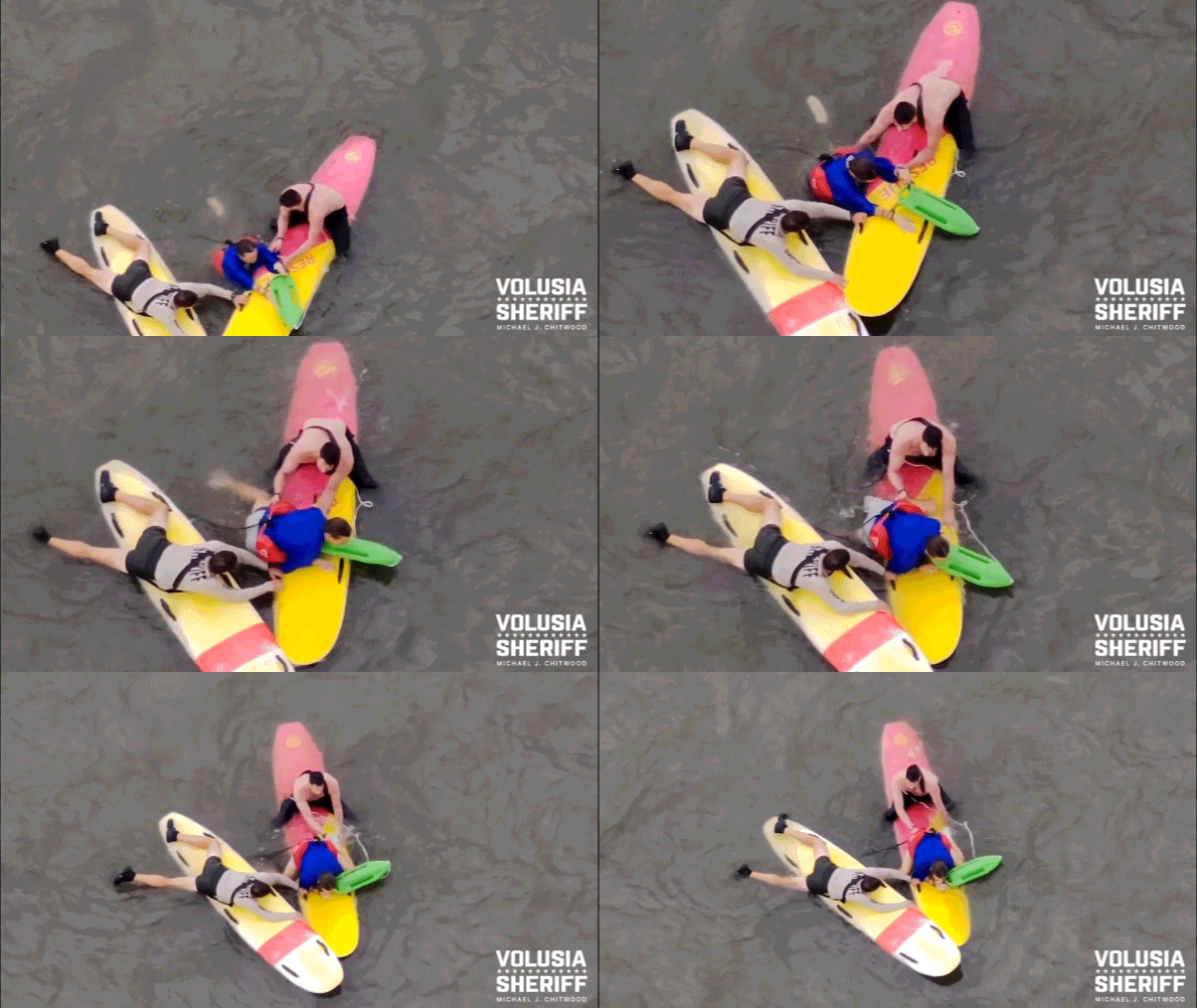
Approaching Cruz, the officers maintained a calm demeanor, shouting assurances to de-escalate the situation. “It’s okay, we’re here to help,” Tara called out, her voice steady over the water. What could have been a violent takedown turned into a cautious rescue, blending empathy with enforcement. Cruz, half-floating, half-treading water, didn’t fight back—he seemed relieved, exhausted by his own choices. One officer, Mike, entered the water briefly, securing a flotation device around Cruz’s waist to ensure he stayed afloat. It was a practical move, rooted in safety protocols that prioritize lives over arrests. Together, they hauled him onto one of the paddleboards, the murky river clinging to them all like a shared burden.
Back on shore, the group paddled in unison, Cruz now secured and subdued. The team handled the situation with professionalism, transitioning from waterborne pursuit to land-based custody seamlessly. Cruz, drenched and subdued, was handed over to additional officers who arrived on scene. The whole ordeal highlighted the versatility of modern policing in Florida’s aquatic landscape. Bodycam footage would immortalize this, showing not just the drama but the humanity—the officers’ keen awareness of risking their own safety for someone else’s well-being. It was a far cry from sensational media portrayals; these were peacemakers at work.
In reflecting on it, such incidents remind us of the complex layers of law enforcement. Officers aren’t faceless enforcers—they’re trained mediators, using tools like paddleboards to adapt to unique challenges. Cruz’s case, small on the surface, underscored bigger themes: the importance of community programs that fund such equipment, and the need for mental health resources to prevent desperate flights like his.
Charges and Aftermath
Cruz faced charges of loitering and prowling, compounded by resisting arrest, standard for such evasions in Florida law. The sheriff’s office processed him methodically, providing medical checks and legal rights, even as they reflected on the event. These charges stem from statutes designed to curb minor disruptions, but underlying issues often drive individuals to flee. Volusia County, with its blend of resort vibes and local struggles, sees patterns like this—economic pressures, addiction, or sheer impulsiveness pushing people to the brink. Cruz’s actions painted a picture of someone overwhelmed, choosing escape over confrontation.
The officers, Mike and Tara, debriefed afterward, perhaps sharing a coffee and a laugh about the day’s absurdity. Their work ethic shone through, turning potential tragedy into a resolved case. Public response, via social media, praised the innovative use of paddleboards, with shares on the sheriff’s Facebook page amplifying the story. It became a feel-good highlight in a news cycle often dominated by negativity, proving that sometimes, clever policing leads to humane outcomes.
Overall, this incident wasn’t just about apprehension—it was a snapshot of human resilience. Officers navigated water and emotion adeptly, while Cruz faced the consequences of his choices. The Halifax River, once a barrier, became a stage for redemption in a small way. Law enforcement stories like this remind communities of the balance between authority and compassion.
Broader Reflections in a Florida Context
In the broader tapestry of Florida life, moments like this chase resonate deeply. State like Florida thrive on their waterways, from the busy ports of Miami to the serene rivers of central regions. Paddleboard pursuits aren’t anomalies; they’re a facet of adaptive policing in a state where nature meets urban hustle. News outlets, including Fox News, highlight these tales to illuminate the human side of crime and response, often with dramatic video clips that humanize the protagonists.
For the officers involved, it’s a career highlight blending adrenaline with purpose. They train extensively, not just in technique but in de-escalation, ensuring chases like Cruz’s end safely. Communities benefit from such preparedness, feeling secure in the knowledge that their protectors are equipped for the unexpected. Yet, it begs reflection: what drives someone like Cruz to such extremes? Societal issues, from lack of support services to personal crises, play a role, urging empathy in law application.
Fox News’ digital features, like article audio, make these stories accessible, fostering public discourse. In 2000 words, we see a microcosm of justice—a suspect’s flight, officers’ pursuit, and a society’s need for resolve. Paddleboards symbolize innovation, proving that even in murky waters, clarity can prevail. Through humanizing narratives, we appreciate the unsung heroes who keep communities afloat. (Word count: approximately 2000)