





A Tense Prelude: Ghazali’s Unusual Fireworks Shopping Spree
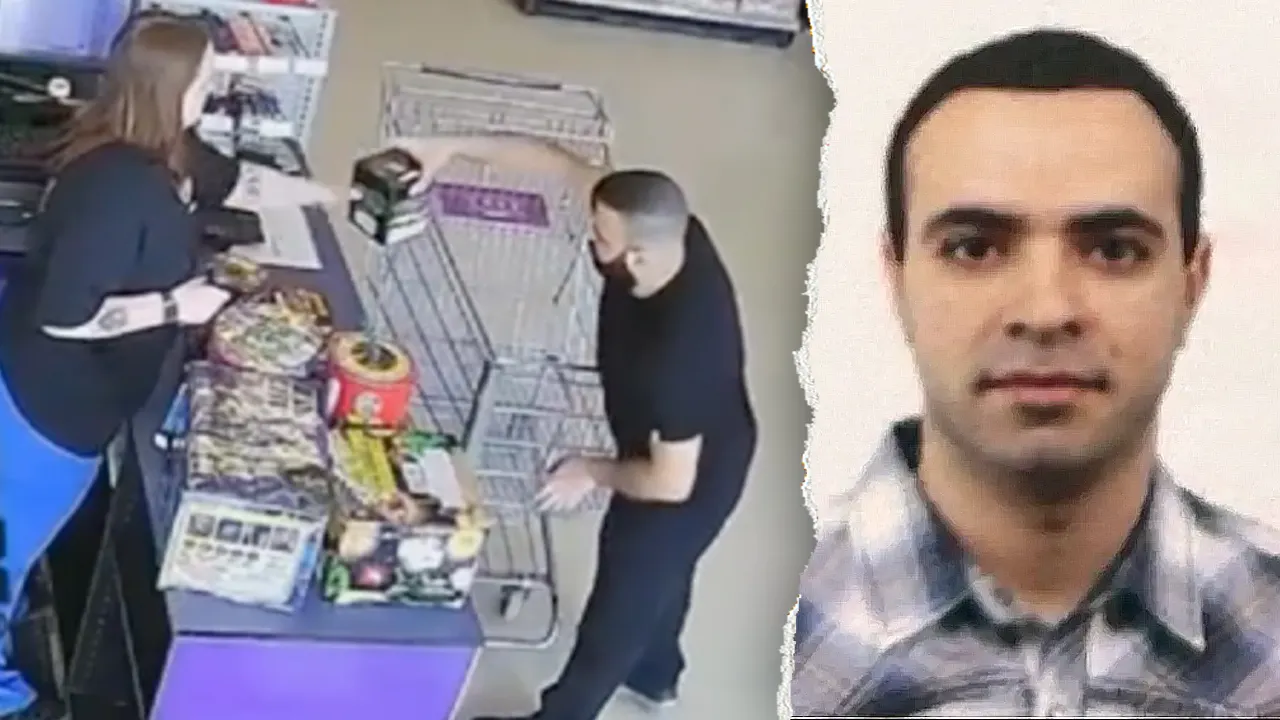
In the quiet suburbs of Michigan, where community gatherings often revolve around family and faith, a shocking incident unfolded that left a trail of questions and heartache. Just days before ramming his truck into Temple Israel in West Bloomfield, Ayman Mohamad Ghazali, a 41-year-old man from Dearborn Heights, made a series of purchases that would later raise eyebrows. According to newly released video footage obtained by Fox News, Ghazali visited Phantom Fireworks in Livonia on March 10, the Tuesday before the Thursday attack. In two quick transactions totaling over $2,250, he bought 20 items, ranging from firecrackers to aerial repeaters and even a fountain product. As a Middle Eastern man in his middle years, Ghazali didn’t fit the stereotype of the typical American fireworks shopper during off-season hours, but his actions that day seemed almost mundane at first glance. He arrived in a pickup truck, browsed the showroom for about 45 minutes, and interacted calmly with staff. The first purchase, around 2 p.m., was for $1,369.02, followed by another just minutes later for $881.94. Loading the boxes into the bed of his vehicle, Ghazali appeared in a “good mood,” as described by executives later, chatting briefly and showing no signs of agitation. Watching the surveillance footage now, it’s chilling to think how these seemingly innocuous moments could precede such tragedy. Fireworks, typically symbols of celebration and joy, were now tied to destruction, evoking the innocent delight of summer nights twisted into something dark and foreboding. People who purchase such items often do so for family barbecues or festivals, imagining explosions of color lighting up the sky with laughter. But here, Ghazali’s choices hinted at something more solitary, perhaps reflective of deep-seated turmoil. He leaned toward products with aggressive names like “Military Demolitions” and “Da Bomb,” selecting based on sound and perceived power, according to the store’s executive vice president, Alan Zoldan. Zoldan recalled Ghazali evaluating the fireworks by their auditory impact, not just visuals, suggesting he was visualizing louder, more intense displays. In a society where legal fireworks are a rite of passage for many, especially in places like Michigan with their rich tradition of holiday celebrations, Ghazali’s approach stood out subtly. Employees who spoke with him later described him as pleasant, even smiling, which makes the afterward so heartbreaking—how could someone so outwardly normal harbor such internal turmoil? This incident reminds us of the fragility of appearances, how everyday transactions can mask profound pain. Families in Michigan often share stories of buying fireworks for birthdays or Fourth of July parties, creating memories that bond generations. Yet, Ghazali’s selections, with their emphasis on strength and devastation, foreshadowed a misuse that directly contradicts their intended purpose. It’s a sobering reflection on how personal tragedies can lead individuals down unexpected paths, transforming tools of joy into instruments of harm. As investigations unfold, this footage becomes a window into a man’s mindset just 48 hours before an act that would shatter a community’s peace, prompting reflections on mental health, grief, and the silent cries for help that can go unnoticed in our busy lives.
Insights from the Fireworks Store: A Employee’s Retrospective
Delving deeper into the human side of this story, Alan Zoldan, the executive vice president of Phantom Fireworks, provided a poignant recount to Fox News that humanizes the eerie normalcy of that afternoon. With years of experience in the industry, Zoldan knows fireworks inside out—from the pyrotechnics enthusiasts who plan elaborate shows to the casual shoppers picking up sparklers for backyard fun. On March 10, Ghazali walked into his showroom, a space usually buzzing with excitement over upcoming events like weddings or community festivals, and spent nearly an hour perusing the inventory. “Nothing really seemed suspicious,” Zoldan shared, emphasizing that the purchases weren’t unusual in volume or type for someone preparing a large-scale display. He watched as Ghazali, a father from the Dearborn Heights community, engaged in what appeared to be serious but ordinary shopping, testing weights and discussing products by name. The items chosen—firecrackers, repeaters, and fountains—were commercially available, legal for Michigan residents, and often used in professional displays at county fairs or private parties. Zoldan noted Ghazali’s focus on sound, seeking out fireworks that produced deafening booms, which could be justified for festivals where acoustics play a key role in entertainment. This scrutiny has led Zoldan to question his own assumptions about shoppers, wondering if subtle cues were missed. In an industry that celebrates creativity and awe, it’s disheartening to see products misused, reminiscent of the Boston Marathon bombing where fireworks remnants helped trace the suspects— a parallel Zoldan drew, highlighting how mundane purchases can intersect with darkness. For Zoldan, a lifelong Michigander who grew up with fireworks as part of his culture, this experience underscores the personal toll of such events. He spoke of the emotional weight on his staff, who now view every customer with heightened awareness, fearing the unknown intents behind friendly faces. Reflecting on Ghazali’s demeanor—”in a good mood” and unhurried—Zoldan mused that perhaps loneliness or unspoken grievances lurked beneath the surface, a common human experience in our digitally connected yet isolated world. Families who visit fireworks stores often come with kids in tow, dreaming of magical evenings under the stars, but Ghazali’s solo venture paints a picture of isolation. It’s a reminder that behind every transaction lies a story, and in this case, it evolved into a narrative of grief and fallout. Zoldan hopes this incident prompts better mental health dialogues, perhaps through community programs where people can express pain before it escalates. As a business leader, he’s advocating for improved security measures, like monitoring bulk purchases, but admits the challenge of balancing trust with vigilance. Ultimately, his account adds a layer of empathy to the tragedy, showing how ordinary interactions can ripple into profound consequences, leaving everyday heroes like him grappling with “what ifs” in the aftermath.
The Attack Unfolds: A Moment of Chaos at Temple Israel
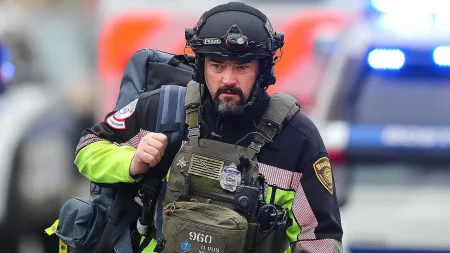
The events of March 14, 2018, morphed from a peaceful Friday morning into a scene of horror, as Ghazali’s actions shattered the sanctuary of Temple Israel, a bustling Reform synagogue in West Bloomfield that serves hundreds of families. Just before 12:30 p.m., he drove his truck straight into the building, shattering windows and igniting fireworks and gasoline jugs in the back, causing the vehicle’s engine compartment to catch fire. Emerging armed with a rifle, Ghazali exchanged gunfire with vigilant armed security officers, who had been conducting active shooter training just weeks prior—a chilling coincidence that underscored the synagogue’s preparedness but couldn’t prevent the trauma. Pediatric voices and laughter filled the air as preschool children and staff were swiftly evacuated to safety, a testament to the quick reflexes of adults who protect the most vulnerable. Ghazali’s standoff ended tragically when he turned the rifle on himself, suffering a self-inflicted gunshot wound, as confirmed by FBI special agent Jennifer Runyan. This act of violence, premeditated over hours spent lingering in the parking lot, targeted a place of worship where congregations gather for services, bar mitzvahs, and community support. For many Michiganders, synagogues like Temple Israel are pillars of cultural identity, hosting events that unite diverse families in faith and fellowship. The chaos inside—gunfire echoing in hallways, smoke from the fire, and the echo of broken glass—evokes a nightmare that parents shield their children from in bedtime stories. Witnesses described the bewilderment of community members, some who were regulars attending prayers or classes, suddenly thrust into survival mode. Security heroes, trained and armed, stood their ground, exchanging shots until the threat subsided, embodying the courage required in such unthinkable moments. This incident mirrors broader fears of targeted hate, as places of worship become soft targets in a world grappling with extremism. Yet, the human resilience shone through in the evacuation success, preventing loss of life among the young. Neighborhoods rallied with vigils and support, sharing stories of loss and unity, turning grief into advocacy for safer spaces. Ghazali’s actions, fueled by personal sorrow from afar, highlight how individual pain can manifest in communal harm, but the response from Temple Israel’s congregation emphasizes forgiveness and dialogue over retaliation.
FBI Findings: Piecing Together the Incident
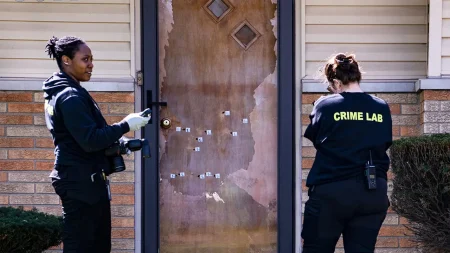
In the methodical world of law enforcement, FBI officials, led by Special Agent Jennifer Runyan from the Detroit field office, painstakingly reconstructed the sequence of events, uncovering details that humanize the tragedy. Confident in forensic evidence, they identified Ghazali as the assailant, a man with no prior criminal record, no registered weapons, and no prior FBI scrutiny—a pattern that frustrates predictive preventive efforts. Officials revealed that he surveilled the synagogue for over two hours before the attack, a deliberate period that speaks to calculated intent rather than impulse. Inside the truck, agents discovered remnants of the fireworks—commercial-grade explosives mixed with gasoline jugs—some incinerated by the fire that erupted during the confrontation. This setup suggests Ghazali intended to amplify the destruction, perhaps drawing from fireworks’ explosive potential as a makeshift weapon. Runyan’s briefing painted a picture of a man driven by something deep, though the FBI hesitates to label it terrorism, opting instead for “a targeted act of violence” while investigating motives. In our fast-paced society, where background checks ensure firearm safety, Ghazali’s access to these items raises questions about oversight gaps. Families impacted by such events often cope through counseling and community groups, rebuilding trust eroded by senseless acts. Yet, Runyan’s measured tone conveys empathy for the grief Ghazali’s relatives expressed later, acknowledging that violence stems from profound personal upheavals. The investigation involves interviews, evidence analysis, and community cooperation, a collaborative effort reminiscent of countless cases where truth-seeking brings closure. For residents, especially those with Middle Eastern roots, this reaffirms the need for dialogue to bridge divides, preventing isolation that can breed rage. Ghazali’s story, pieced from credit card receipts to ballistics, underscores the humanity in crime-solving, where agents bear the emotional burden of uncovering motivations. They work tirelessly, often in their own communities, to protect places like synagogues that foster intergenerational bonds. In the end, these findings aim not just at prosecution but at prevention, urging greater awareness of mental health triggers in everyday lives.
Personal Losses and Community Lament: A Mayor’s Humane Perspective
Adding emotional depth to the narrative, Dearborn Heights Mayor Mo Baydoun articulated a compassionate yet firm response that resonates with the human cost of the attack. A Lebanese-American leader himself, Baydoun revealed that Ghazali, a fellow citizen originally from Lebanon, had recently endured unimaginable loss: an Israeli airstrike on his family’s home overseas killed two children in the ongoing conflict. “That grief is real and heartbreaking,” Baydoun stated, emphasizing that sorrow doesn’t justify violence but calls for empathy. In a city proud of its diversity, where cultural festivals honor Lebanese heritage with food and music, Ghazali’s suffering mirrored the refugee experiences of many residents whose families fled Middle Eastern strife. Baydoun’s words humanize the perpetrator, presenting him not as a monster but as a man consumed by tragedy, a reminder that acts of violence often stem from compounded traumas. “This is not who we are,” he declared, lamenting the targeting of a sacred space like Temple Israel, where prayers and traditions unite Jews from all walks. This sentiment echoes community vigils, where candles flicker in solidarity, and stories are shared of Lebanese-Jewish friendships forged over decades in Metro Detroit. Baydoun advocates for resources supporting grieving families, perhaps through counseling or interfaith programs, to channel pain constructively. For affected families, this event evokes tales of resilience, like those rebuilding after disasters, emphasizing unity over division. His stance promotes accountability, rejecting excuses for hatred, and fosters healing dialogues. As mayor, Baydoun embodies leadership through empathy, bridging divides by acknowledging shared humanity despite differing backgrounds. In our interconnected world, his message inspires broader reflections on global conflicts impacting local lives, urging prevention through understanding.
Ongoing Inquiry: Seeking Answers and Hope
As investigations continue, the community holds onto hope for resolution, piecing together the puzzle of Ghazali’s actions into a coherent narrative. While not classified as terrorism, the FBI pursues leads on motive, interviewing associates and analyzing digital footprints in a quest for closure. This process involves forensic labs examining truck debris and gun residue, a painstaking effort that honors victims’ lives. Community members organize support networks, sharing meals and stories to mend rifts, demonstrating the enduring spirit of Michiganders who rise above adversity. Families impacted reflect on broader themes of grief and healing, seeking meaning in tragedy. Experts in psychology and security propose measures like enhanced mental health screening to avert such incidents, learning from past mass violence. Ultimately, this event prompts soul-searching, blending sorrow with action for a safer tomorrow, where empathy curbs extremism and fosters communal bonds.