






Oklahoma Community Rallies Around Sexual Assault Victims After Controversial Sentencing
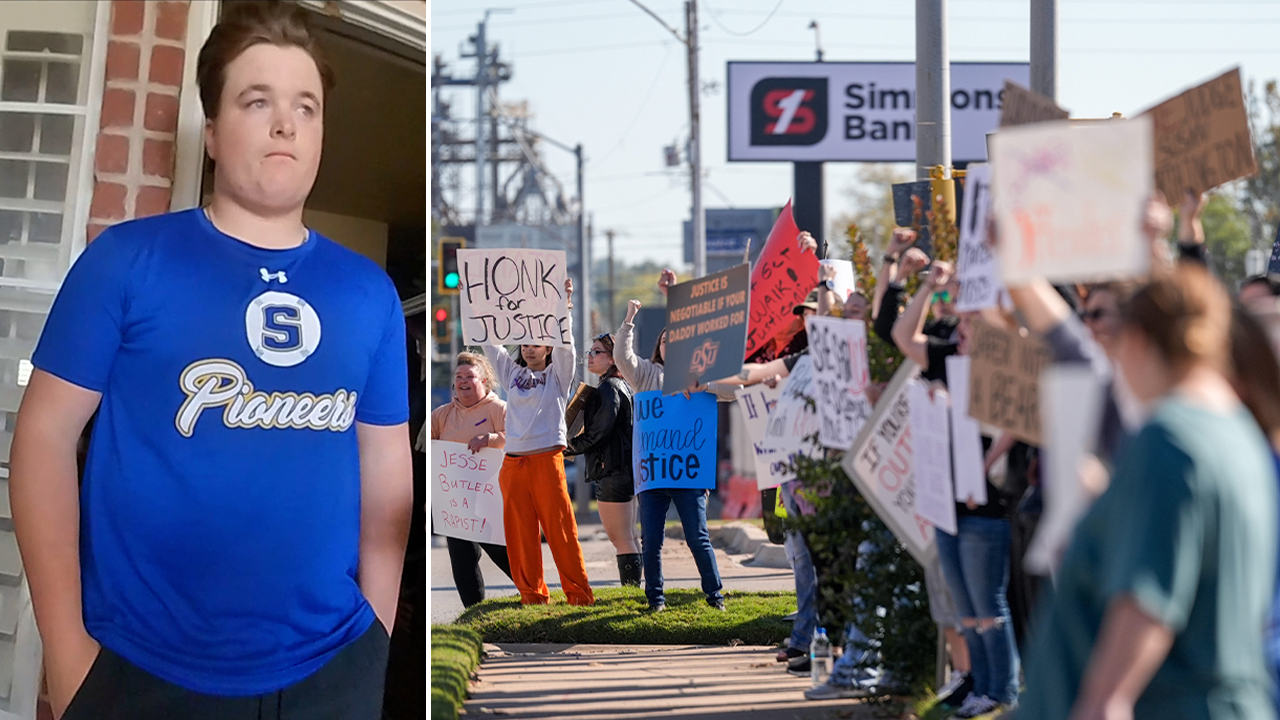
In Stillwater, Oklahoma, a community is grappling with the aftermath of a controversial court decision that has left several families searching for justice. Jesse Mack Butler, now 18, pleaded no contest to 11 felony charges including attempted rape, rape by instrumentation, sexual battery, forcible oral sodomy, domestic assault by strangulation, and violating protective orders. Despite facing potential prison time of up to 78 years for crimes committed when he was 16 and 17, Butler received youthful offender status—allowing him to remain free under supervision with counseling, community service, and a curfew. This decision has sparked protests, calls for legal reform, and deep pain among the victims’ families who feel the justice system has failed them.
One victim’s parents recently broke their silence in an emotional interview with Nightline’s Juju Chang. The mother, identified as Ivonne, expressed her anguish over what happened to her daughter, whom they call Kate: “Community service and counseling doesn’t equate to what he did to her—what he’s taken from her.” Kate, who was 16 when she began dating Butler (her first boyfriend), initially saw a polite, attentive young man. However, her parents soon noticed troubling changes in her behavior. The aftermath has been devastating—Kate now completes her senior year online and has withdrawn from milestone events like prom and graduation. Her father, Austin, explained their decision to speak publicly: “I’m just hoping that his name will be out there. That somebody will know that he’s capable of this and just anything we can do to prevent other harm.”
Court documents reveal the disturbing nature of Butler’s actions. Police affidavits describe him strangling victims, threatening them, and leaving one teen “near death.” One victim wrote that Butler had “strangled my voice, my joy, my ability to feel safe in my own body.” The documents detail repeated assaults, forced sexual acts, and threats of violence if victims spoke out. As these details became public, community outrage intensified. During a December 8 compliance hearing at the Payne County Courthouse, protesters lined the building, voicing frustration with sealed records and what they perceived as a lack of transparency. One protester summed up the sentiment: “Rape is rape, violence is violence, and it needs to end and so does systematic corruption.” The judge ultimately agreed to unseal some of Butler’s records in response to public pressure.
Payne County District Attorney Laura Austin Thomas later explained her office’s handling of the case in a detailed statement. She noted that prosecutors initially filed in adult court to keep the allegations public, since juvenile cases are typically confidential in Oklahoma. However, she emphasized that state law strongly favors rehabilitation for defendants under 18, and only two of the eleven charges legally qualified for adult prosecution. Thomas disclosed that families were informed early on that a youthful offender sentence was the likely outcome. According to her statement, Butler must complete an “aggressive schedule of therapy” with a specialist, and failure to comply could result in reclassification as an adult with a potential prison sentence of up to ten years.
Some community members have raised questions about whether Butler’s local connections influenced the court’s decision. His father previously had a role with Oklahoma State University’s football program, and the judge who granted youthful offender status holds two degrees from OSU. While no evidence has emerged that these connections affected the ruling, they remain part of the ongoing public discussion surrounding the case. The family’s attorney, Rachel Bussett, has been vocal about her disagreement with the sentence: “There should have been a period of incarceration and an admission of guilt.” She has filed a motion alleging that Kate’s rights were violated during the plea and sentencing proceedings, suggesting the legal battle may continue.
For Kate’s family, the focus remains on helping their daughter heal and move forward. The emotional toll has been immense, with her mother expressing hope that Kate will eventually trust again: “I hope that she tries to date again; right now she’s been too scared… I hope she’ll try again because love shouldn’t hurt.” The case has become a rallying point for victims’ rights advocates in Oklahoma, who are using this situation to call for reforms in how the justice system handles juvenile sexual assault cases. As the community continues to process the outcome, many Stillwater residents remain committed to supporting the victims while advocating for a system that better balances rehabilitation with accountability for serious crimes—ensuring that survivors’ voices are heard and their trauma acknowledged in the pursuit of justice.