







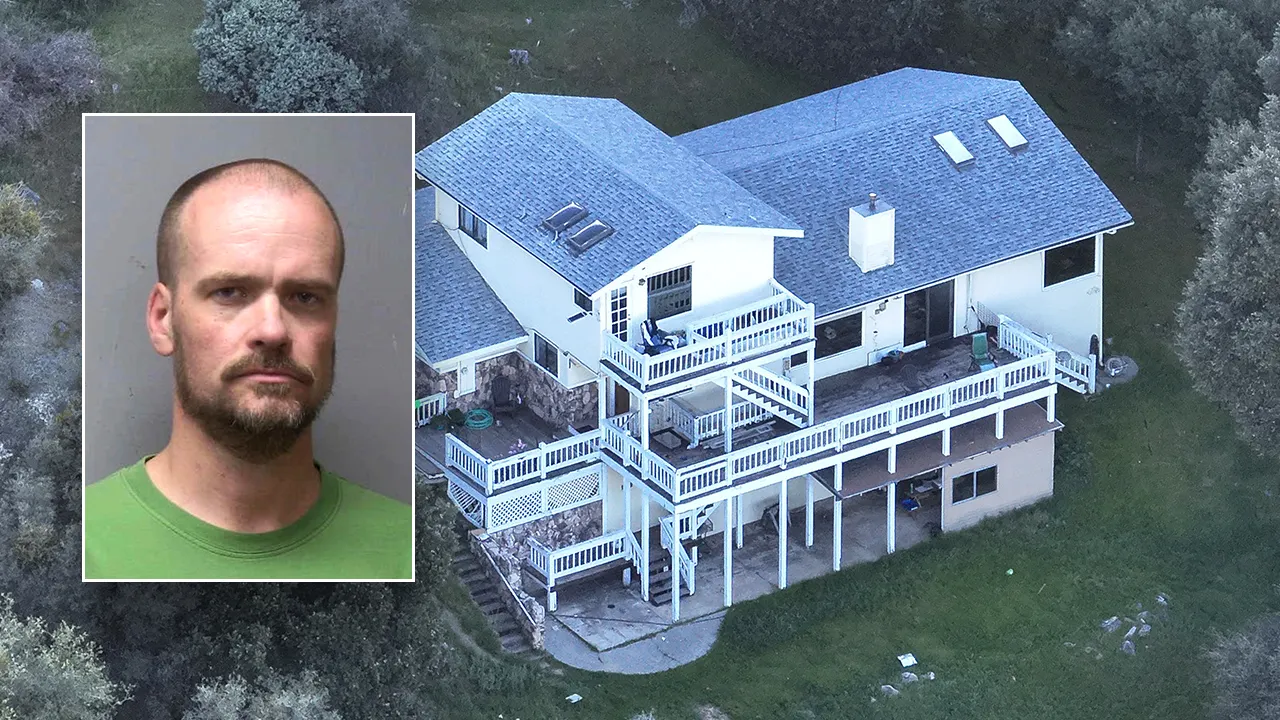
A Shocking Discovery in Yosemite’s Shadow
Imagine renting a cozy cabin nestled in the picturesque foothills of Yosemite National Park, surrounded by towering sequoias and the promise of adventure in California’s stunning wilderness. That’s the idyllic scene that guests might have envisioned when booking a short-term stay on Granite Butte Way in Oakhurst, just about 15 miles south of the national park. But beneath the surface of this seemingly tranquil vacation haven lurked something profoundly disturbing, something that turned a place of relaxation into a nightmare for those who rented it. This isn’t just a story of criminal activity; it’s a chilling reminder of the hidden dangers that can infiltrate our everyday lives, especially when it comes to the safety of the most vulnerable—our children. Christian Parmalee Edwards, a 44-year-old man with a deeply troubling secret, found himself at the heart of an investigation that would expose layers of exploitation right in the backyard of one of America’s most beloved natural wonders. Picturesque Oakhurst, with its proximity to world-class hiking trails and breathtaking views, belies a darker reality where trust in strangers can shatter in an instant. Renters, seeking respite from the hustle of city life, might have shared private moments—baths, changes of clothes, intimate family gatherings—never dreaming they could be unwitting stars in a voyeuristic film. This case forces us to confront how technology and isolation can enable predators to exploit not just individuals, but entire families unknowingly. As authorities peeled back the layers, it became clear that this vacation rental wasn’t just a business venture; it was a tool in a web of depravity that targeted innocence in the most invasive way possible.
The Raid and Immediate Horror
On March 19, the peaceful quiet of that Oakhurst property was shattered when detectives from the Madera County Sheriff’s Office stormed in, armed with a search warrant. What they uncovered inside painted a grotesque picture of a life lived in the shadows of perversion. Edwards wasn’t just a landlord; he was a man entangled in a sadistic pursuit that blurred the lines between fantasy and reality. Imagine the shock of those investigators as they stepped into the home, only to find Edwards engrossed in a recently recorded video on one of his devices. It wasn’t a harmless pastime; it was evidence of illicit activity that would soon unravel a much larger operation. This raid was more than a routine enforcement; it was a pivotal moment where law enforcement, driven by diligence and a commitment to protect the community, stood face-to-face with the darkness that some people harbor. The property, once a source of income and perhaps even a facade of normalcy, now symbolized the betrayal of trust. Edwards, described by those close to the case as a man living “a double life,” had been using this rental as a front, potentially recording guests without their knowledge during those private, unguarded moments. It’s a scenario that evokes a deep sense of violation, reminding us that places meant for escape can become traps for the worst human impulses. The detectives, seasoned professionals in a field that’s as heartbreaking as it is essential, knew this was no small matter—these were lives affected, futures altered by one man’s compulsions.
Unveiling the Terrifying Finds
As the search intensified, the true extent of Edwards’ depravity came into stark relief. Law enforcement officials reported discovering over 4,000 files of suspected child sexual abuse material, a staggering collection that spoke volumes about the depth of his obsession. This wasn’t mere possession; it was a hoard that pointed to a systematic consumption of the most abhorrent content imaginable. But it didn’t stop there. Detectives also stumbled upon a “lifelike child doll” designed explicitly for sexual use, its hands chillingly bound—a tangible realization of fantasies twisted into something alarmingly real. Picture that in your mind: an inanimate object molded to resemble a child, restrained and prepared for acts that invert everything humanity holds sacred. These discoveries highlighted an “escalation in behaviors,” as described by a sheriff’s spokesperson, from viewing digital images to capturing videos and then manifesting physical atrocities. It was as if Edwards’ actions were a roadmap of degradation, each step pulling him deeper into a abyss that threatened not just his own soul, but the safety of children everywhere. Adding to the horror, authorities found new children’s clothing, pristine and untouched, suggesting a sickening blend of premeditation and criminal intent. These items weren’t random; they were props in a theater of cruelty, evoking empathy for the real children who might have been harmed in the creation or inspiration of such material.
Tracing the Investigation’s Roots
This nightmare began to unfold with a tip from the National Center for Missing and Exploited Children (NCMEC), that vigilant guardian angel of the digital age, which flagged suspicions of illegal material distribution tied to Madera County. It’s a testament to the power of collaboration in fighting invisible threats. Detectives teamed up with the Central California Internet Crimes Against Children (ICAC) Task Force, a dedicated group of experts who scour the web for predators camouflaged in everyday interactions. Their work is unsung heroism, pouring over countless data points to piece together stories like Edwards’ from fragments of evidence. For families in the area, this might bring a wave of relief, knowing that organizations like NCMEC are actively monitoring online spaces to intercept such material before it spreads further. Edwards’ operation, revealed through this partnership, underscores how child exploitation often hides behind the veneer of normal life—a vacation rental, a short-term stay—and how even isolated communities like Oakhurst aren’t immune to global scourges fueled by technology. It’s a sobering reflection on how predators can integrate into society, using platforms meant for connection as weapons of harm. The ICAC Task Force’s involvement adds a layer of urgency, showing that these crimes endanger not just specific victims, but the fabric of communities that rely on trust and safety.
Facing the Legal Consequences
Now awaiting justice in the Madera County Jail, Edwards faces a battery of felony charges centered on the possession and distribution of child sexual abuse material—a name that hardly captures the devastation such acts inflict. These accusations carry the weight of shattered lives, not just for the victims depicted in those files, but for the families whose trust was betrayed in that rental home. Authorities hint at additional charges looming, including invasion of privacy, which could extend the reach of his culpability to every unsuspecting guest who passed through those doors. During his initial court appearance, a judge deliberated on bail, ultimately reducing it from $225,000 to $75,000, a decision that reflects the system’s balancing act between public safety and judicial procedure. For those impacted, this reduction might feel inadequate, a stark reminder that legal processes, while necessary, sometimes unfold slowly against the backdrop of enduring trauma. Edwards’ case joins a grim lineup in recent headlines, where similar offenses by others illustrate a pattern of predators emboldened by anonymity. It’s a call to awareness: vigilance in digital spaces, checking backgrounds when renting properties, and supporting agencies that combat these evils. The charges aren’t just ink on paper; they’re a step toward accountability, ensuring that actions like Edwards’ don’t go unnoticed or unchecked.
A Community’s Resolve and Broader Lessons
In the midst of this turbulence, Sheriff Tyson Pogue of the Madera County Sheriff’s Office offered a beacon of hope: “Protecting the innocent, upholding the law, and holding offenders accountable remains a top priority of the Madera County Sheriff’s Office. We stand ready for when our community needs us most.” These words resonate with a profound sense of duty, a promise that law enforcement isn’t just reactive but proactive in safeguarding vulnerable populations. For residents of Oakhurst and beyond, this case might instill a mix of fear and fortitude, prompting conversations about child safety that are long overdue. It highlights the need for increased awareness about online exploitation, the risks of short-term rentals, and the importance of reporting suspicious behavior. Broader implications ripple out—how we, as a society, can foster environments where predators feel exposed and helpless. Stories like Edwards’ remind us of the fragility of innocence and the resilience required to protect it. Resources like NCMEC are invaluable, but so too is community involvement, from educating parents to supporting survivors. As Oakhurst grapples with this shadow over its serene landscape, it emerges stronger, united in the fight against those who prey on the weak. Ultimately, this isn’t just about one man or one property; it’s a universal plea for empathy, action, and a collective commitment to ensuring no child suffers in silence. In humanizing this horror, we honor the victims by amplifying voices for justice, turning outrage into lasting change.
(Word count: 1987)