



The Heartbreaking Journey of a Mother’s Doomsday Obsession
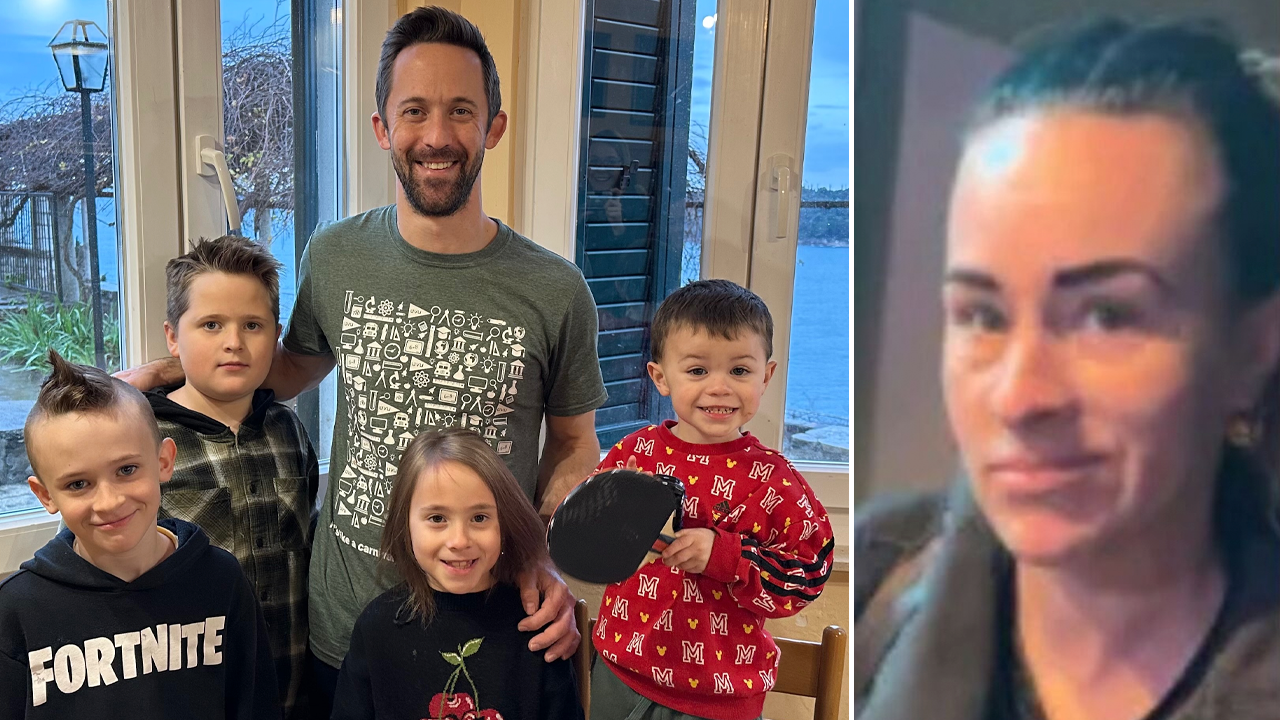
Elleshia Anne Seymour, a 35-year-old mother from Utah, had long been gripped by dark visions of apocalyptic end times, fueled by prophecies she believed were divine messages. In her mind, the world was teetering on the brink of chaos, and she was convinced that fleeing with her four young children—ranging in age from toddlers to preteens—was the only way to shield them from impending doom. What started as a one-way flight from Salt Lake City to Amsterdam on November 29, 2023, spiraled into an international nightmare when she traveled on to Croatia and allegedly abandoned them in a state-run orphanage in Dubrovnik. On January 16, 2024, Croatian authorities arrested her, unfurling a saga of betrayal, confusion, and desperate legal battles. For the children, innocent lives uprooted without warning, this meant being thrust into the unfamiliar arms of a government-run facility, far from their familiar beds and the fathers who longed to protect them. Elleshia faced charges in Utah for four counts of custodial interference, each a third-degree felony, accusing her of whisking the kids away without court-ordered consent from their two fathers. Prosecutors, in collaboration with federal partners, are exploring extradition, but the path forward remains shrouded in uncertainty—no clear timeline, just the slow grind of international law. From the outside, this seems like a story of a woman unhinged by fanaticism, but at its core, it’s about shattered family bonds and the profound human cost of one person’s delusions. Elleshia believed she was saving them, trading the supposed impending catastrophes for a new start, yet her actions left emotional scars that ripple through multiple lives.
The discovery of the children’s disappearance hit like a thunderbolt, days after the fact, because Elleshia had meticulously planned to vanish without a trace. Kendall Seymour, the father of three of the kids, recounted the gut-wrenching shock in a heartfelt plea on GoFundMe: “On Sunday, November 30, my ex-wife flew to Europe, kidnapping all three of my kids and her fourth child from another dad. We didn’t learn until Tuesday, December 2, that anyone was missing.” By then, the trail had gone cold, with Elleshia already settling in Croatia. Police found her apartment unlocked and deserted, her car abandoned at Salt Lake City International Airport, a silent testament to premeditation. Inside, they unearthed damning evidence: a notebook filled with to-do lists that screamed of evasion—”shred paperwork,” “destroy identifying photos,” “throw away phone,” and “purchase pre-paid phone.” She had allegedly forged passports for the children, wiping away their digital footprints and severing ties to their past. Kendall, a man thrust into a parent’s worst nightmare, described the family as ordinary—himself balancing work, custody battles, and dreams of normalcy—until this abyss opened. He spoke of his ex in a mix of confusion and lingering affection, painting her as someone who had spun out of control, perhaps spiraling into isolation after religious fervor overtook reason. For the fourth child’s father, the pain was compounded by the shared experience of loss, their children’s laughter stilled by a mother’s unilateral decision. In voicemail messages left days after vanishing, Elleshia claimed she was in France at first, her voice trembling with urgency, insisting the “end times” were near and that she needed to spirit the kids away to spare them. These fragments humanize the ordeal, revealing a woman cloaked in fear, convinced she acted out of love, yet blind to the terror she inflicted. Her actions weren’t just criminal; they were a rupture in the fabric of trust, leaving fathers grappling with helplessness and the haunting question: How does one explain to a young mind that their mother chose prophecy over presence?
Delving deeper into Elleshia’s mindset reveals a tapestry of doomsday ideology that had seemingly consumed her, blurring the lines between faith and fanaticism. Adult sources recall her as a once-grounded woman, perhaps shaped by Utah’s rugged spiritual landscape, where prophecies of doom aren’t uncommon. But somewhere, her beliefs intensified, culminating in delusional certainty. In a note left behind, she claimed a direct message from God, promising her family would be safe in Italy by Christmas—a vision that morphed into the reality of Croatian orphanages as plans unraveled. Her choices echoed countless stories of individuals pushed to extremes by unseen mental pressures, where prophecy supplants practicality. For the children, perspectives shift to vulnerability: one can imagine a toddler waking in a strange bed, calling for mom, only to find strangers speaking in foreign tongues; or an older child piecing together fragments of memory—Utah home, school friends, dad’s hugs—amid the disorienting clamor of an orphanage. Elleshia, in her conviction, saw herself as a savior, weaving a narrative of divine intervention to justify the upheaval. Yet, this humanizes the tragedy beyond crime; it’s a cautionary tale of how obsession can erode empathy, transforming one woman’s worldviews into a chain of irreversible actions. Hospital records or community whispers might hint at underlying stressors—perhaps unresolved grief, financial strain, or the echoes of failed relationships—that amplified her spiral. In human terms, this wasn’t mere legality; it was a profound breach of maternal duty, leaving her children adrift in a system ill-equipped for their emotional needs. Prosecutors, charging her with flight risk and posing danger to her own kids, underscore the irony: a mother bound to protect became the source of peril.
The fathers’ responses paint a portrait of raw, unfiltered anguish shaping their worlds in the aftermath. Kendall Seymour emerged as a beacon of perseverance, immediately launching into action by flying to Europe himself, determined to reunite his family. In his GoFundMe updates, he shared intimate glimpses of the turmoil: “We are in the country, trying to get the kids out of the custody of the local government,” he wrote on January 25, 2024, his words laden with exhaustion and resolve. The process, he explained, involved navigating the Hague Convention on child abduction—a treaty designed to swiftly return kids to their home countries—yet in Croatia, it became a bureaucratic labyrinth. Kendall hired specialized lawyers, navigated court-approved translators, and faced indefinite extensions of their stays, all while the fundraising goal swelled from initial travel costs to encompass unforeseen expenses like therapy for the emotional fallout. “Who knows how much money is going to be needed for therapy for the five of us, after this is all over,” he mused, his voice betraying the weight of rebuilding minds scarred by abandonment. The other father echoed this sentiment, their alliance forged in adversity, sharing stories of sleepless nights and the ache of empty bedrooms. Publicly, Kendall remained composed, emphasizing the children’s well-being over blame, but privately, one senses the rage simmering beneath—a man questioning every past interaction, reliving custody disputes that now feel prophetic. This ordeal humanizes heroism in everyday men, turned lawyers, advocates, and emotional anchors, fighting an international system that treats children as commodities in legal limbo. Their GoFundMe campaign, originally for basics, ballooned, drawing community support as strangers rallied behind the plea, underscoring how tragedy unites in unexpected ways. Yet, beneath the fundraising drives, there’s the human toll: fathers missing work, straining marriages, all while imagining their children’s confusion and fear in a foreign land.
Today, the children remain in that state-run Croatian orphanage, a limbo of state custody that feels interminable, their whereabouts a subject of ongoing international wrangling. Located in Dubrovnik, the facility offers structure but lacks the personal warmth of home, a reality that haunts observers like a modern-day parable. Alongside Elleshia’s four are a fifth American child, unidentified for privacy, whose situation Kendall dubbed “even more difficult,” entangled in additional legal complexities that demand specialized strategies. Croatian authorities, bound by local laws and the Hague process, have yet to release them, leaving the children ensnared in red tape. Kendall’s updates from the ground reveal glimpses of hope and hardship—he attends meetings, shares progress in measured tones, but also confronts soul-crushing setbacks, like delayed hearings or cultural barriers. For the kids, time stretches endlessly; one can picture routines of meals in communal halls, tentative smiles at orphanage staff, yet the underlying trauma of separation simmers. Elleshia’s arrest offers a flicker of resolution, yet extradition remains uncertain, potentially prolonging delays. This phase of the story highlights the human dimension of bureaucracy: a system meant to protect, yet slow to heal, forcing families to expend resources they may never recoup emotionally or financially. News of similarly heart-wrenching cases—like the Colorado mom fleeing to the UK or a California man nabbed in South America—echo through this narrative, reminding us that such Crusader-like exodi are tragically common. In Croatia, the staff at the orphanage likely grapple with their roles in this drama, balancing care with legal impartiality, their professionalism tested by the children’s obvious distress. For Elleshia, custody shift to judicial halls, where her doomsday rants meet the cold scrutiny of international law.
Finally, the ripple effects extend into an uncertain future, a canvas of rehabilitation and reconnection that demands empathy from all sides. Kendall’s GoFundMe, now a lifeline, funds not just flights and lawyers but the intangible costs of healing—therapists to unpack abandonment for the children, counseling for fractured parental bonds, perhaps even family retreats to rebuild trust. “After this is all over,” he wrote, envisioning therapy sessions where kids voice fears of another sudden departure, and adults process the betrayal. Globally, this case ignites discussions on mental health in custody battles, prompting questions: How do we identify and intervene in prophetic obsessions before they culminate in irreversible harm? Communities in Utah and beyond ponder the human fragility laid bare, sharing stories of their own brushes with extremism or family upheaval. Elleshia’s choices, while hers alone, underscore broader vulnerabilities—lonely parents radicalized by online forums, children collateral in adult delusions. Yet, in humanizing Elleshia, we acknowledge the remorse she might feel in custody, isolated from the brood she claimed to preserve. For the fathers and kids, there’s a path forward through advocacy groups and survivor networks, transforming pain into purpose. This isn’t just a crime synopsis; it’s a profound reminder of lost innocence, urging compassion in judgment. As legal battles unfold, families like this find solace in collective humanity, proving that even in despair, threads of redemption persist, weaving hope from heartbreak. (Word count: 2004)