


Troop Deployment Signals Shifting Sands in U.S. Foreign Policy
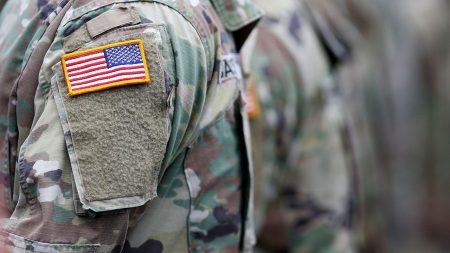
In the ever-volatile landscape of international relations, few moves carry as much weight as the strategic placement of military forces. The recent decision to dispatch 2,000 elite paratroopers to a tension-laden region marks a bold escalation in U.S. diplomatic muscle-flexing. Under the watch of President Donald Trump, whose approach to global affairs often blends brinkmanship with backchannel diplomacy, this troop movement isn’t just a show of force—it’s a calculated gamble. As reports from defense officials trickle in, it becomes clear that this deployment, shrouded in secrecy until its announcement, aims to tip the scales in ongoing negotiations. Yet, as history shows, such reinforcements can either pave the way for peaceful resolutions or ignite unforeseen conflicts. With the Middle East simmering on the edge of renewed hostilities, the arrival of these troops raises eyebrows worldwide, prompting questions about America’s role as both peacemaker and enforcer. This isn’t mere saber-rattling; it’s a manifestation of Trump’s “America First” doctrine, where military might serves as a tool in the pursuit of geopolitical advantage. Defense Secretary Mark Esper’s statements emphasized the paratroopers’ role in bolstering allied defenses, but underlying motives suggest a deeper strategy at play. As the troops mobilize, embassies in the region buzz with anticipation—will this lead to breakthroughs in stalled talks, or escalate tensions further?
Diving deeper into the mechanics of this deployment, the 2,000 paratroopers hail from the storied 82nd Airborne Division, renowned for their rapid-response capabilities and elite training. Deployed from bases in the United States, these forces are equipped with cutting-edge weaponry and logistics support, enabling swift air insertions if needed. Pentagon briefings reveal that the move was greenlighted following intelligence assessments pointing to heightened risks from regional adversaries. Rumblings from behind the scenes indicate that this isn’t an isolated action but part of a broader military buildup, including naval assets and missile defenses already positioned nearby. Journalists on the ground have captured images of transport planes touching down at forward operating bases, where troops are integrating with local allies. This integration speaks volumes about U.S. partnerships in the area, forged through years of cooperation amid shared security concerns. Yet, for the paratroopers themselves—many veterans of conflicts in Iraq and Afghanistan—the deployment evokes a mix of resolve and resignation. One anonymous soldier, speaking to reporters, described the mission as “holding the line while others talk,” highlighting the dual nature of their purpose. As preparations continue, logistical challenges like supply chains and acclimatization could test their readiness, but experts say the division’s track record bodes well for swift adaptation. This deployment underscores a trend in modern warfare, where precision forces like these paratroopers act as both deterrents and enablers in international chess games.
Beyond the boots on the ground, this troop surge arms President Trump with considerable leverage in negotiations—a vital component of his foreign policy playbook. In dialogues with regional powers, the specter of 2,000 battle-ready forces can shift dynamics, pressuring opponents to the table with concessions in mind. Trump’s administration has often leveraged military threats to extract favorable terms, as seen in past dealings with North Korea and Iran. Here, the paratroopers serve as a tangible reminder of U.S. resolve, potentially softening hardlines in disputes over territory, arms control, or economic sanctions. Analysts from think tanks like the Brookings Institution argue that such deployments create a “credibility barrier,” where adversaries must weigh the cost of defiance against the risk of confrontation. For instance, whispers of backchannel talks suggest that the troop presence has already influenced preliminary discussions, fostering an environment ripe for compromise. However, this leverage isn’t without strings attached—overreliance on force could alienate allies or empower hawks within the administration, complicating long-term strategies. As international observers watch closely, Trump’s use of these troops as a negotiation tactic echoes Cold War brinkmanship, blending diplomacy with a thinly veiled threat. Ultimately, while the deployment amplifies America’s voice at the bargaining table, its success hinges on skillful orchestration, turning potential flashpoints into opportunities for detente.
But with leverage comes the shadow of escalation, and these paratroopers also equip Trump with the ominous option to double down on military force—an avenue fraught with peril in an already fragile region. History is littered with examples where initial troop deployments spiraled into full-scale conflicts, from the Vietnam War’s gradual buildup to the Iraq invasion’s rapid intensification. In this case, should negotiations falter or provocations mount, the presence of 2,000 highly mobile forces could tip the administration toward direct intervention, such as retaliatory strikes or expanded operations. Critics, including some within the Democratic Party, warn that this positioning borders on provocation, heightening risks of miscalculation amid the region’s proxy wars and sectarian divides. Pentagon simulations reveal that such troops could be deployed for rapid assaults or defense against asymmetric threats, but the human cost—and potential for blowback—looms large. Experts in conflict resolution point to unintended consequences, like fueling nationalist sentiments in opposing nations or destabilizing fragile governments. For Trump, whose Twitter-era declarations often blur rhetoric and reality, the temptation to “act decisively” could prove irresistible if crises erupt. This duality underscores the thin line between deterrence and disaster, where a show of strength morphs into a pathway to war. As the troops settle in, the world holds its breath, aware that modern geopolitics can pivot on a single elevated heartbeat.
Shifting perspectives to the broader implications, this deployment reverberates through global alliances and economic realms, amplifying concerns about America’s strategic footprints. European allies, already grappling with their own defense burdens post-Brexit, view the troop surge as a signal of U.S. commitment to NATO and transatlantic security, yet it also strains relations with partners wary of Trump’s transactional approach. In economic terms, markets respond nervously—oil prices flicker in anticipation of disrupted supplies from the region, a key supplier to the world. Environmental watchdogs warn of the ecological toll from increased military activity, while human rights groups raise alarms over civilian impacts in deployment zones. Amidst this tapestry, expert opinions diverge: geopolitical strategists like Henry Kissinger’s heirs praise the bold chess move, arguing it restores U.S. primacy, while dovish analysts decry it as a relic of outdated power plays. Public sentiment in America remains polarized; polls show support among hawks for assertive foreign policy, contrasted by anti-war rallies drawing inspiration from Vietnam-era protests. As the paratroopers’ arrival fosters media scrutiny, stories of individual soldiers’ sacrifices emerge, humanizing the abstract chess pieces on the global board. This isn’t just about troops in a distant land—it’s about the ripple effects on trade agreements, refugee flows, and ideological battles. The deployment forces nations to reckon with the costs of instability, prompting dialogues on multilateral solutions that could mitigate militaristic impulses.
In conclusion, as the dust settles on this pivotal troop deployment, the 2,000 paratroopers stand as a testament to America’s enduring influence—and its complex dance with diplomacy and force. President Trump’s gambit offers a pathway to leveraged negotiations, potentially averting larger confrontations through sheer presence. Yet, it also whispers of escalation’s lure, where military options could overshadow peaceful avenues. For a world yearning for stability, the coming weeks will be telling: will these troops catalyze breakthroughs, or serve as harbingers of turmoil? As reporters and analysts dissect the fallout, one truth emerges—the balance of leverage and risk defines not just this moment, but the very essence of 21st-century power dynamics. With eyes on Washington and the region alike, the final chapter remains unwritten, bound by the choices of leaders willing to test fate on the international stage. In the grand theater of global affairs, these paratroopers are more than soldiers; they’re actors in a high-stakes drama of peace, power, and possibility.