







The Growing Threat of Drone Smuggling in American Prisons
Across the United States, prison systems are facing an unprecedented challenge as drone incursions over correctional facilities have skyrocketed in recent years. The Federal Bureau of Prisons reported a staggering 479 drone incidents at federal prisons in 2024, a dramatic increase from just 23 incidents in 2018. This aerial smuggling epidemic has forced prison administrators to develop innovative detection methods while navigating restrictive federal regulations that limit their response options. In South Carolina, where drone incursions jumped from 69 in 2019 to 262 in 2022, Department of Corrections Director Joel Anderson describes the situation bluntly: “We get assaulted nightly. We get assaulted at multiple institutions at night.” His state has become a reluctant pioneer in developing systems to combat this airborne threat.
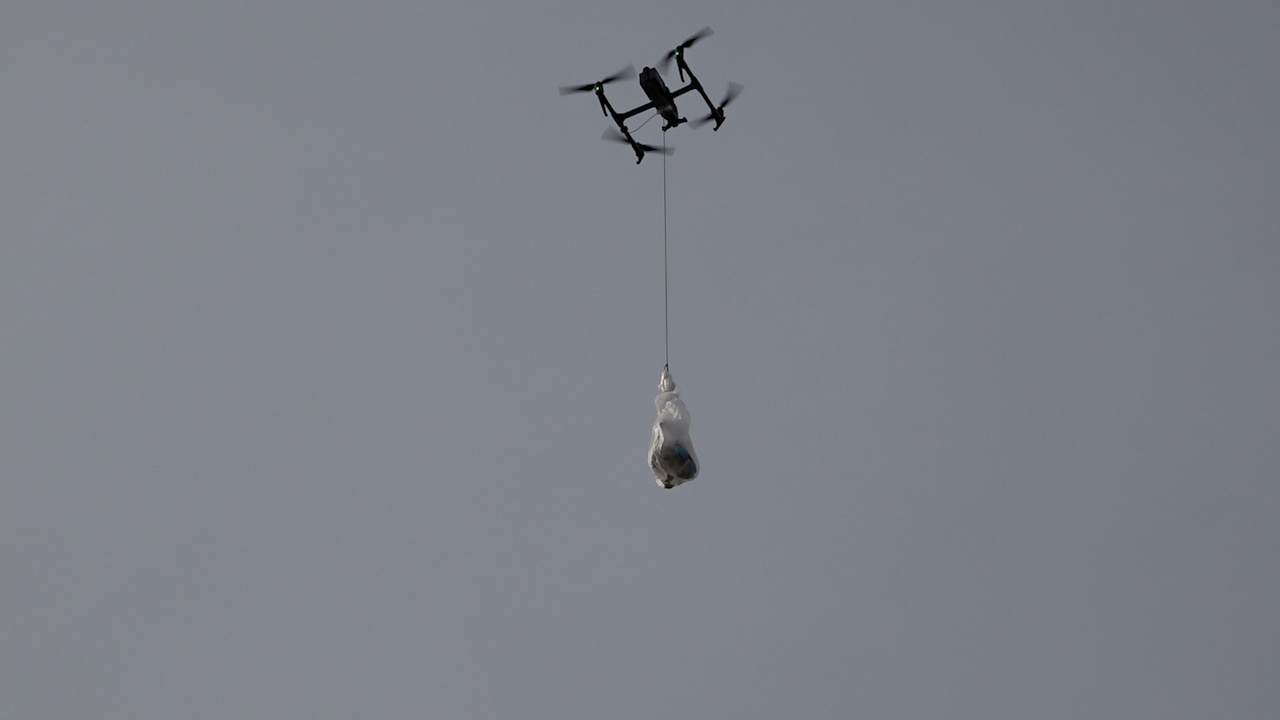
The evolution of drone technology has transformed what was once a minor security concern into a major crisis for prison administrators. When drone smuggling first emerged, the aircraft could only carry about four pounds and reached speeds of 45 miles per hour. Today, Anderson reports that heavy-lift drones traveling over 75 miles per hour can deliver 25-pound duffel bags of contraband over prison fences. The operations have become increasingly sophisticated, with criminal drone pilots—often former inmates with inside knowledge and connections—making multiple drops in a single night. These smugglers employ tactical camouflage techniques, sometimes covering packages with grass attached by duct tape to blend with prison yards. The precision and frequency of these aerial deliveries demonstrate a level of organization that prison officials struggle to counteract.
South Carolina has emerged as a leader in addressing this challenge by developing a comprehensive drone detection system for its medium and maximum-security facilities. When a drone enters restricted airspace, select prison staff receive immediate cellphone alerts, triggering a dedicated drone response team to scramble to the anticipated drop location. This rapid-response approach has yielded some success, with Anderson noting: “We’ve had drones caught in our nets. We’ve had drones caught in our fences. We’ve had drones crash on the yard. We’ve had drones where the battery ran out.” When drones are disabled or crash, investigators can extract valuable flight data that sometimes leads directly to the smugglers. Anderson recounted one particularly careless drone pilot who was apprehended after his drone took a photograph of his own mailbox during a flight, providing authorities with his address.
Despite these advances in detection, state prison systems face significant limitations in their ability to counter drone incursions due to federal regulations. The Federal Aviation Administration classifies drones as registered aircraft, prohibiting states from actively bringing them down. While federal prisons have more options at their disposal, state facilities are largely restricted to detecting and recovering drones only after they crash or are abandoned. This regulatory framework creates a significant advantage for smugglers, who can operate with relative impunity knowing that prison officials cannot legally jam their signals or disable their aircraft. The constraints are particularly frustrating for administrators like Anderson, who understand the potentially catastrophic consequences of aggressive countermeasures: “We would hate to disable a drone, and it flies off into a subdivision somewhere, and then we don’t know where it is.”
The contraband being smuggled by drones represents a serious threat to prison security and safety. In one alarming incident, South Carolina prison officials intercepted a drone carrying 464 grams of fentanyl—enough to kill the entire prison population. Beyond drugs, drones deliver weapons, cell phones, and other prohibited items that undermine security protocols and facilitate criminal activity within prison walls. Anderson identifies illegal cell phones as a critical enabling factor in the drone smuggling ecosystem. These devices, which inmates pay thousands of dollars to smuggle in, allow prisoners to coordinate directly with outside accomplices. The Federal Communications Commission is exploring permitting states to use radio-jamming technology, which would disrupt this vital communication link between inmates and drone operators outside the fence.
As prison systems across the country confront this growing challenge, administrators are forced to divert critical staff resources to drone detection and response. “I’d much rather be using them in the living areas, watching inmates, than running around out here chasing illegal packages,” Anderson laments, highlighting the operational strain these incursions place on already stretched correctional systems. The drone smuggling phenomenon represents a troubling evolution in the age-old challenge of securing correctional facilities—a high-tech arms race where smugglers currently hold significant advantages. Until regulatory frameworks catch up with this aerial threat, prison administrators like Anderson will continue developing innovative detection systems while advocating for expanded authorities to counter what has become a nightly assault on prison security. For now, the dedication of prison staff remains the primary defense against this airborne smuggling frontier.