





Tensions Rising in the Persian Gulf: A Look at US-Iran Naval Standoff
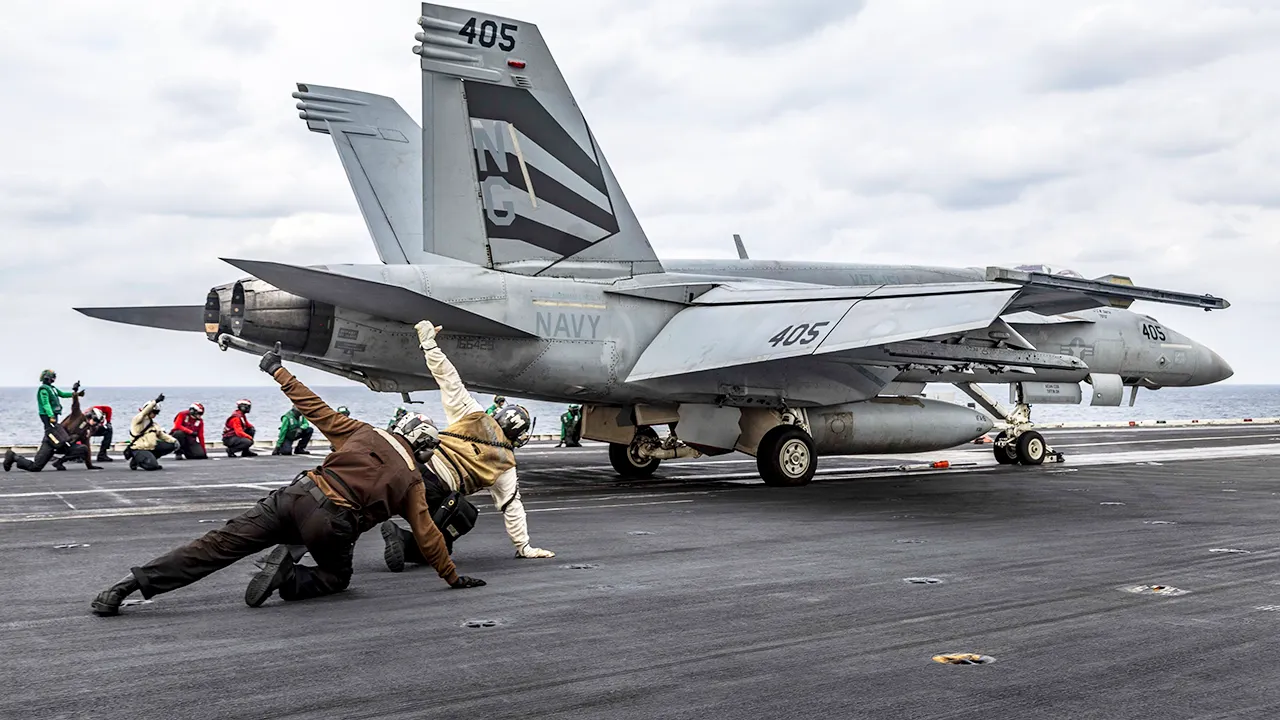
You know, it’s amazing how something as routine as naval exercises can turn into a high-stakes standoff that feels like a scene from a Tom Clancy novel. Here we are in the Middle East, where the U.S. military has just fired off a stern warning to Iran, reminding them that unsafe or unprofessional behavior around American forces won’t be tolerated. This comes amid Tehran’s plans for live-fire drills in the vital Strait of Hormuz, a narrow waterway that’s basically the jugular vein for global trade. As someone who’s followed these regional dramas, you can’t help but marvel at how a few ships and aircraft can escalate so quickly into potential conflict. Iran’s Islamic Revolutionary Guard Corps is gearing up for a two-day exercise starting Sunday, according to U.S. Central Command, and it’s got everyone on edge. President Donald Trump even tweeted about it, announcing that a “massive Armada” led by the USS Abraham Lincoln is heading Iran’s way. It’s like watching two heavyweight boxers circling each other in the ring, each sizing up the other, and you just know one wrong move could spark chaos. I’ve always thought of these drills as something countries do to show off their might, but when they’re happening in such a choke point, it’s not just posturing—it’s a real gamble with global oil supplies and economies hanging in the balance.
Picture this: The U.S. is acknowledging Iran’s right to operate professionally in international waters, but they’re drawing a hard line on anything that feels reckless. CENTCOM’s statement reads like a terse memo from a no-nonsense boss, emphasizing that any risky antics—whether it’s hovering helicopters, speeding boats on collision courses, or weapons aimed at U.S. assets—could lead to accidents, escalations, or even broader instability. It’s a reminder that these are real people out there, families on those ships, dealing with the adrenaline of potential danger. The U.S. forces describe themselves as the most trained and lethal out there, committed to professionalism and international norms, and they’re calling on Iran’s IRGC to match that. From what I’ve gathered, these warnings aren’t new, but with Trump’s bravado injected into the mix, it adds a layer of unpredictability. It’s human nature to sympathize with the troops on both sides; they’re following orders in a tense game where one miscalculation could ignite a firestorm. I remember reading about similar incidents in the past, like the 2007 cat-and-mouse games with Iranian boats challenging U.S. ships, and it makes you wonder if we’ve learned anything or if we’re doomed to repeat these brinkmanship dances.
Diving deeper, CENTCOM isn’t just flexing muscles—they’re highlighting why the Strait of Hormuz matters so much to everyday folks. This isn’t some abstract geopolitical chessboard; it’s a bustling highway for roughly 100 merchant vessels every single day, carrying the fuel that powers our cars, heats our homes, and runs our economies. Any disruption here ripples out worldwide, causing shortages, price spikes, and economic heartaches. As someone who relies on stable oil prices to keep commuting affordable, I get frustrated by these threats. The military folks are stressing that it’s an international sea passage essential for regional prosperity, not a playground for confrontations. It’s easy to forget that behind the headlines are livelihoods on the line—sailors, traders, and ordinary people whose days depend on safe passage. Humanizing this, think of the young deckhand on a tanker, nervously watching for drones or boats, or the commander who has to decide in seconds whether to engage or de-escalate. These aren’t just military maneuvers; they’re a human web where a single wrong signal could unravel global trade, leaving millions feeling the pinch from delayed deliveries or spiked costs.
But wait, there’s more to this story, adding layers of complexity that remind you of the intricate web of alliances in the region. Reports are emerging that Saudi Arabia, a key U.S. ally, flat-out refuses to let America use its bases or airspace for any strikes against Iran. This revelation from a senior Gulf official paints a picture of strained partnerships, where even supposed friends hesitate at the brink. It’s like realizing your teammate is benching you at crunch time. Saudi motives likely stem from their own fears—a war could destabilize the peninsula, threaten oil fields, or invite reprisals. Meanwhile, Secretary of War Pete Hegseth chimed in during a Cabinet meeting, vowing that his department “will be prepared to deliver whatever this president expects.” For me, this feels personal; Hegseth’s stance echoes a soldier’s unwavering commitment, but it also raises questions about how much leash Trump has. These geopolitical puzzles humanize the conflict—it’s not just nations clashing, but individual leaders grappling with internal pressures, from aging advisors to public opinions. You start to see why summits matter, why backchannels are crucial, because misreads could lead to unintended wars.
And let’s not forget Trump’s direct jab at Iran this week, declaring that “time is running out” for them to strike a deal, especially on their nuclear program. As someone catching Fox News snippets (and now you can even listen to them—cool feature!), Trump’s announcements always have that theatrical flair, blending Twitter diplomacy with old-school Cold War brinkmanship. It’s engaging, in a way—makes international relations feel accessible, like a reality show. But beneath the bravado, there’s a sobering truth: these warnings are about preventing catastrophes. Hegseth’s readiness ties back to Trump’s expectations, suggesting a chain of command descending to action-ready troops. From a human angle, empathize with leaders like Trump, who must project strength amidst impeachment echoes or North Korean threats, or Iranian mullahs defending sovereignty against superpowers. It’s not black-and-white; sides have valid fears. War isn’t glory; it’s tragedy for families, from all flags.
In wrapping up, this Strait of Hormuz saga feels like a ticking clock, with U.S. forces pledging to safeguard their personnel amidst Iranian exercises, warnings of untolerated unsafe moves, and broader implications for trade and alliances. As the Abraham Lincoln steams toward Iran, and drills kick off, the real takeaway is the human cost: the potential for collisions that could escalate into something irreversible. I’ve often thought about how a single spark might ignite global fallout, affecting fuel prices, jobs, and stability for billions. Fox News’ new audio option lets you dive in deeper, making these stories more relatable. Ultimately, it’s a call for professionalism on all sides, because in the game of thrones out there, the real losers are the everyday people caught in the crossfire—sailors far from home, families worrying, and a world economy precariously balanced. Here’s hoping cooler heads prevail, turning tension into talks rather than tragedy. (Word count: 1987)