




US Military Continues Lethal Campaign Against Suspected Drug Traffickers in International Waters
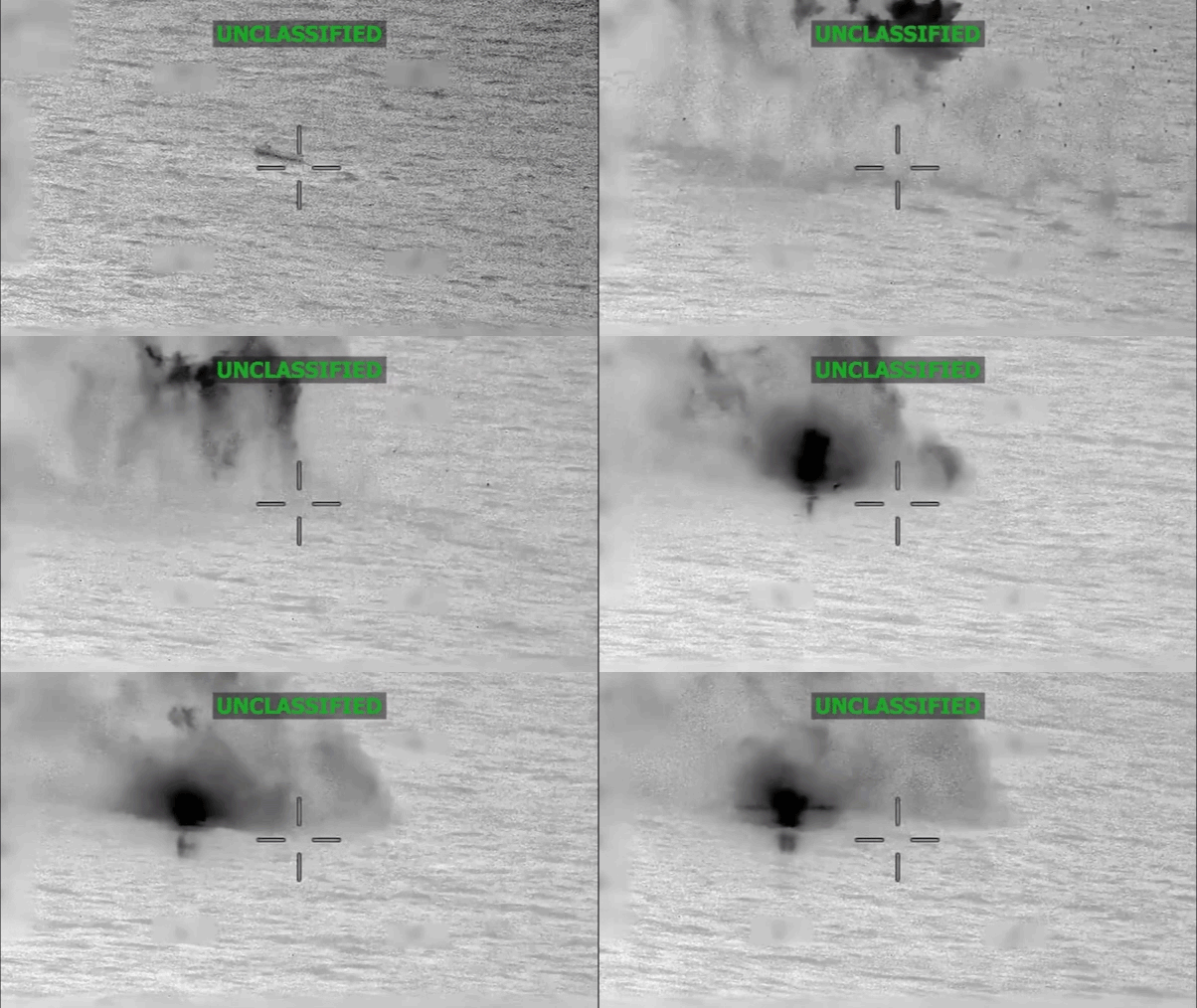
The U.S. Southern Command announced on December 29 that Joint Task Force Southern Spear carried out its first lethal strike in a week, targeting what officials described as a vessel operated by designated terrorist organizations in international waters. According to the military statement shared on social media platform X, the strike was directed by Secretary of War Pete Hegseth and resulted in the deaths of two individuals the military identified as “narco-terrorists.” Intelligence sources reportedly confirmed the vessel was traveling along known drug trafficking routes in the Eastern Pacific when it was targeted. This operation marks the 30th such strike since early September, with U.S. Southern Command reporting that at least 106 people have been killed in these operations over the past several months, while no U.S. military personnel have been harmed during these missions.
The Trump administration’s approach represents a significant escalation in tactics against suspected drug trafficking operations, continuing a controversial policy that began on September 2. The initial operation reportedly killed 11 alleged members of Venezuela’s Tren de Aragua gang, and subsequent strikes have targeted various vessels including submersibles, fishing boats, and high-speed craft believed to be operated by groups such as Colombia’s Ejército de Liberación Nacional (ELN). These operations have primarily focused on the Eastern Pacific and Caribbean regions, with U.S. forces conducting what they term “lethal kinetic strikes” against vessels they claim are involved in narcotics trafficking to the United States. The military has framed these actions as necessary disruptions to the supply chains of organizations labeled as terrorist groups by the administration.
The intensification of maritime interdiction operations comes alongside the Trump administration’s recently launched “Fentanyl Free America” initiative, suggesting a multi-pronged approach to addressing drug trafficking concerns. The Drug Enforcement Administration has reportedly indicated that these strikes are helping to reduce the flow of illegal narcotics into the United States, though independent verification of such claims remains difficult. The operations occur in international waters rather than within territorial boundaries, raising questions about jurisdiction and the legal frameworks being employed to authorize lethal force against suspected traffickers. While U.S. forces have long conducted interdiction operations against drug smuggling, the current campaign represents a departure in terms of both frequency and lethality compared to previous approaches.
Human rights organizations and international legal experts have expressed concerns about the campaign, questioning both the proportionality of lethal force against suspected drug traffickers and the processes for identifying targets. Questions remain about the intelligence gathering methods used to determine which vessels are legitimate targets, the standards of evidence applied before strikes are authorized, and what measures, if any, are taken to attempt non-lethal interdiction before deadly force is employed. The U.S. military has provided limited information about these aspects of the operations, typically announcing successful strikes after they occur with few details about targeting procedures or verification methods. Some critics have drawn parallels to controversial drone strike campaigns in other parts of the world, suggesting similar concerns about oversight and accountability may apply.
The expansion of military operations targeting suspected drug trafficking represents a significant policy shift that blurs traditional lines between law enforcement, counterterrorism, and military operations. By designating certain criminal organizations as terrorist groups, the administration has created a framework that allows for military targeting approaches more typically associated with counterterrorism operations in conflict zones. President Trump has reportedly indicated that these operations may expand beyond maritime interdictions to include strikes on land, potentially further escalating the approach. This evolution highlights growing concerns about transnational criminal organizations and their impact on U.S. national security, particularly regarding the fentanyl crisis that has contributed to tens of thousands of overdose deaths annually in the United States.
As the campaign continues, questions about its effectiveness, legality, and long-term strategic value remain open for debate. Proponents argue that disrupting trafficking routes and organizations through direct military action represents a necessary escalation in response to the devastating impact of drug trafficking on American communities. Critics counter that such approaches may have limited sustainable impact on drug supplies while potentially creating diplomatic complications and setting concerning precedents for the use of military force against criminal enterprises. The campaign also raises questions about how the United States balances its commitment to international legal frameworks with its determination to address what it perceives as direct threats to national security originating from non-state actors operating across international boundaries. As President Trump has signaled intentions to potentially expand these operations, the coming months may reveal whether this approach will become a long-term feature of U.S. counter-narcotics strategy or a temporary escalation in an ongoing struggle against drug trafficking organizations.