






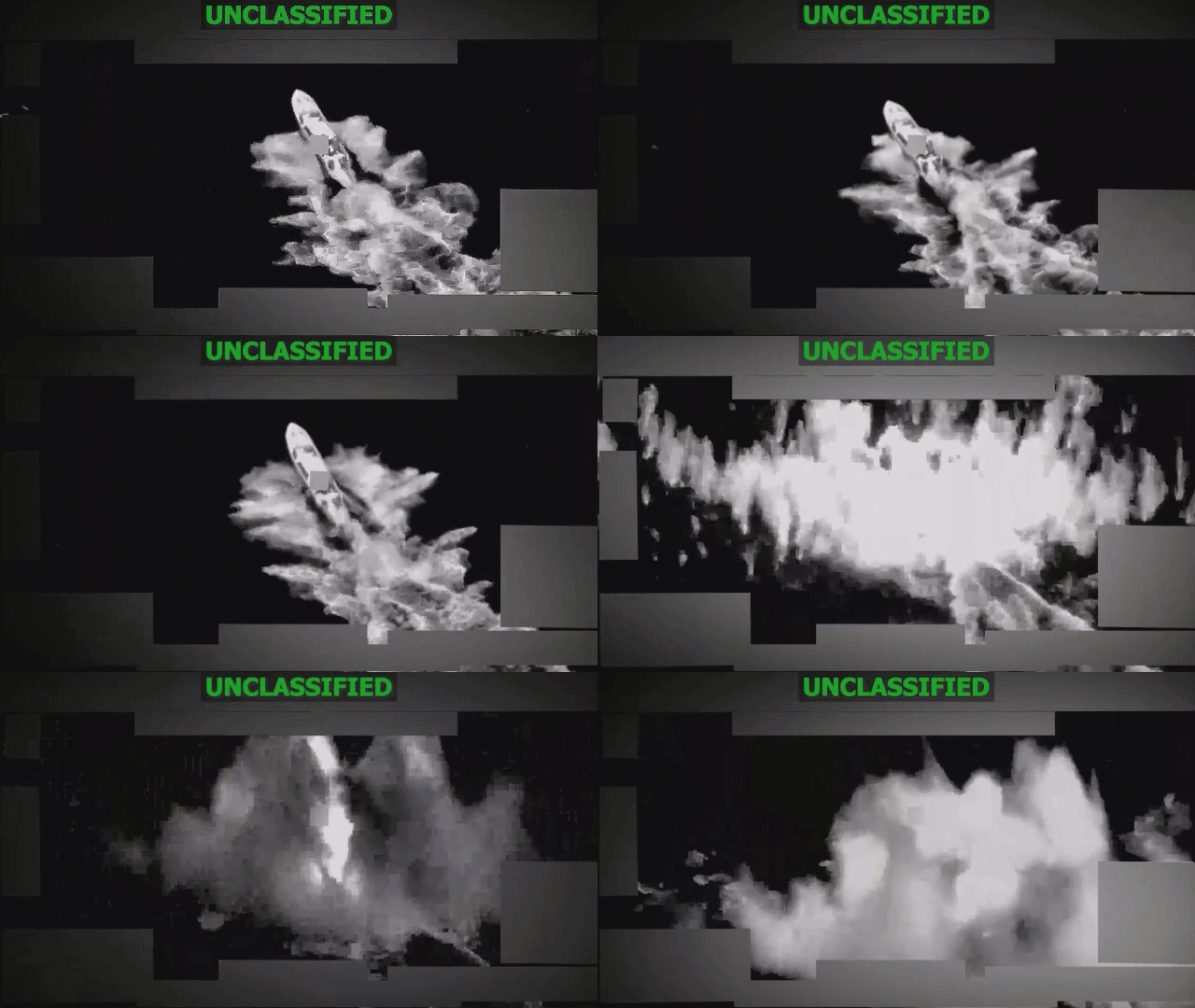
US Military Strikes Narcotics Vessels Linked to Terrorist Organizations
In a significant counter-narcotics operation, the US military conducted overnight strikes against a convoy of three vessels in international waters, according to a statement released by US Southern Command on Wednesday. The operation, carried out by Joint Task Force Southern Spear under the direction of Secretary of War Pete Hegseth (using the title cited by the command), targeted boats believed to be part of a coordinated narcotics trafficking network connected to designated terrorist organizations. This aggressive action represents the ongoing efforts of US forces to disrupt drug trafficking routes that pose threats to American security interests.
The military engagement occurred after intelligence confirmed a transfer of drugs between the three vessels as they traversed known narcotics trafficking routes in international waters. The operation resulted in three casualties aboard the first vessel during the initial contact. Following this engagement, crew members on the remaining two vessels abandoned ship before US forces conducted follow-up strikes that ultimately sank both boats. In accordance with maritime protocols, US Southern Command immediately notified the Coast Guard to activate search and rescue procedures for those individuals who entered the water, demonstrating adherence to humanitarian considerations even during combat operations against criminal enterprises.
This counter-narcotics mission falls under the broader responsibilities of US Southern Command, which oversees American military operations throughout Central and South America and the Caribbean region. These operations often target the nexus between terrorist organizations and drug trafficking, which US authorities have long identified as a significant security concern. By disrupting these networks, US forces aim to prevent both the flow of illegal narcotics into the United States and the financial benefits that terrorist organizations derive from such activities, essentially fighting a two-front battle against interconnected threats to national security.
The military’s decision to employ “kinetic strikes” – a term typically used to describe the use of destructive force – against narcotics trafficking vessels represents the serious approach the United States is taking toward combating drug smuggling operations, particularly when connected to terrorist entities. These actions occur against a backdrop of evolving tactics in the war on drugs, where trafficking organizations have become increasingly sophisticated in their methods and more brazen in their operations. The Pentagon’s authorization of such direct military engagement signals a potential shift toward more aggressive counter-narcotics strategies, especially when evidence links smuggling activities to designated terrorist groups operating in the region.
This operation also highlights the complex legal and jurisdictional framework within which these counter-narcotics missions operate. By conducting strikes in international waters against vessels involved in narcotics trafficking connected to terrorist organizations, US forces operate under specific authorizations that allow for military action outside US territorial boundaries. This approach demonstrates the global reach of American counter-narcotics and counter-terrorism efforts, while also raising questions about the evolving nature of military involvement in what has traditionally been considered law enforcement domains. The careful mention of the vessels operating “outside US territorial waters” in the Southern Command statement points to the importance of these legal distinctions in justifying military action.
As this situation continues to develop, the full impact and implications of these strikes remain to be seen. Southern Command has not yet provided additional details beyond their initial statement, leaving questions about the specific terrorist organizations involved, the quantity of narcotics being transported, and the precise location of the strikes. This operation comes amid broader discussions about US strategy in combating drug trafficking in the Western Hemisphere, including recent suggestions from former President Trump about targeting drug facilities in Venezuela. The ongoing evolution of these counter-narcotics efforts represents the challenging balance between addressing immediate security threats and navigating the complex diplomatic, legal, and humanitarian considerations that accompany military actions in international waters against criminal enterprises with terrorist connections.