




U.S. Government Admits Fault in Fatal Potomac River Collision
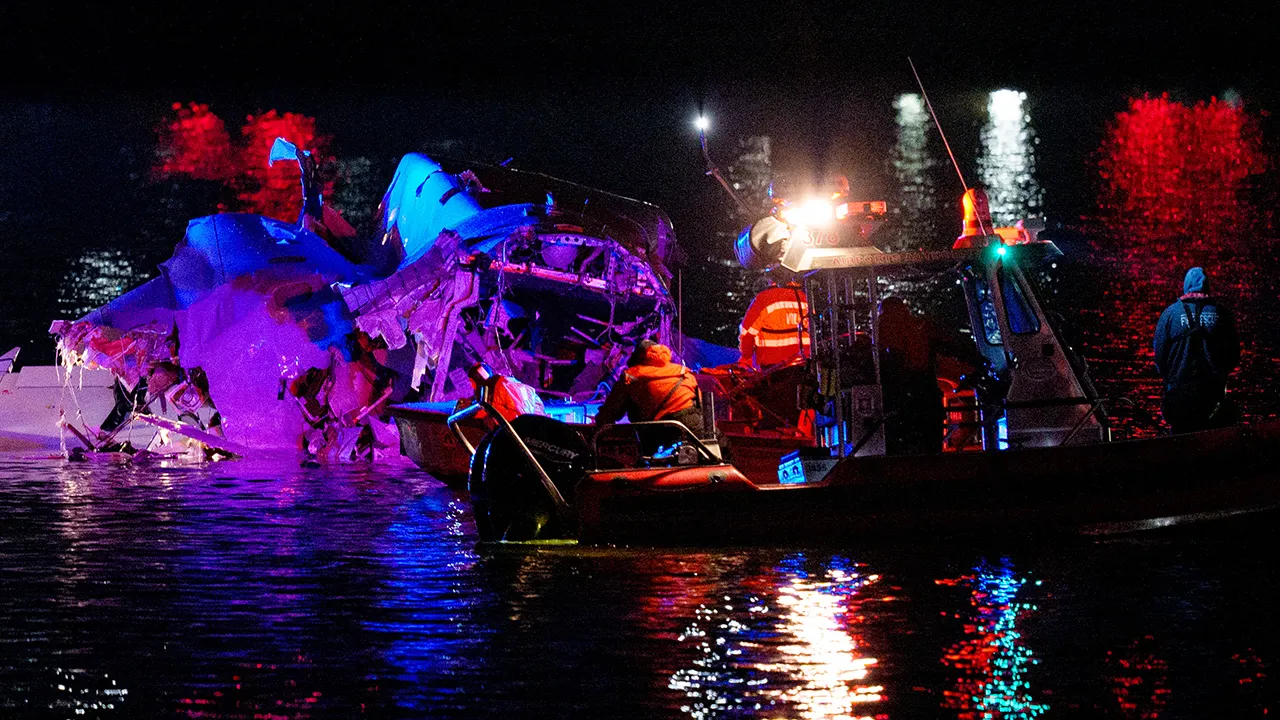
In a significant development, the U.S. government has officially acknowledged its responsibility in the tragic midair collision that occurred over the Potomac River near Washington, D.C. last January. The accident, which claimed 67 lives, involved an Army Black Hawk helicopter and American Airlines Flight 5342. In a recent legal filing responding to a lawsuit from a victim’s family, government attorneys made the rare admission that “the United States admits that it owed a duty of care to Plaintiffs, which it breached.” This acknowledgment represents a crucial moment for the families seeking answers and accountability in the aftermath of one of the deadliest aviation disasters in recent memory near the nation’s capital.
The government’s admission details failures on multiple fronts, pointing to mistakes made by both the Federal Aviation Administration and U.S. Army personnel. According to the filing, the FAA violated established procedures regarding when air traffic controllers can permit pilots to maintain visual separation. This critical error was compounded by the failure of Army helicopter pilots to “maintain vigilance” to avoid the descending passenger jet. The filing specifically notes that both the helicopter and passenger jet pilots “failed to maintain vigilance” while the Black Hawk pilots additionally “failed to maintain proper and safe visual” separation from the American Airlines aircraft. These admissions paint a picture of a preventable tragedy resulting from a series of human errors and procedural violations across different federal agencies.
The legal action that prompted this admission was initiated by the estate of Casey Crafton, one of the 64 passengers who perished on American Eagle Flight 5342, along with three military personnel aboard the helicopter. Led by his wife Rachel and family members, this lawsuit represents the first legal challenge regarding the January 29th crash. Their attorney, Robert Clifford, responded to the government’s concessions with measured words, noting that “these families remain deeply saddened and anchored in the grief caused by this tragic loss of life.” He added that during the holiday season, the families are “especially disheartened by the shattered joyfulness without their loved ones” – a poignant reminder of the personal devastation that extends far beyond legal proceedings and government admissions.
While the U.S. government has accepted its share of responsibility, the lawsuit also targeted American Airlines and its regional partner, PSA Airlines, for their alleged roles in the disaster. However, both airline companies have filed motions to dismiss these claims, suggesting a complex legal battle ahead as responsibility is determined among multiple parties. The admission by the government does not necessarily resolve questions about potential airline liability or how compensation might ultimately be determined for the victims’ families. This layered approach to accountability reflects the complex nature of aviation disasters, where multiple entities often share varying degrees of responsibility for safety breakdowns.
The timing of this admission is particularly noteworthy as the National Transportation Safety Board (NTSB) is expected to release its comprehensive report on the cause of the crash in January, roughly a year after the incident occurred. The NTSB investigation represents the official technical analysis of what went wrong, examining everything from mechanical failures to human factors, weather conditions, and procedural adherence. While the government has already acknowledged breaches of duty, the forthcoming NTSB report will likely provide more detailed insights into the sequence of events and specific failures that led to this catastrophic collision, potentially informing policy changes to prevent similar tragedies in the future.
For the families of the 67 victims, this government admission offers a measure of validation but can hardly compensate for their immeasurable loss. The Crafton family’s lawsuit and the government’s response highlight the human dimension of aviation disasters – behind every legal filing and technical investigation are shattered lives and grieving families seeking both answers and justice. As the legal proceedings continue and the NTSB finalizes its investigation, the impact of this tragedy continues to reverberate through the lives of those affected, the aviation community, and agencies responsible for maintaining the safety of America’s skies. The admission of fault represents an important step toward accountability, but for the families involved, it remains just one milestone in their ongoing journey through grief and their quest for meaningful changes that might prevent others from experiencing similar heartbreak.