




The Shadowy Seas of the Eastern Pacific
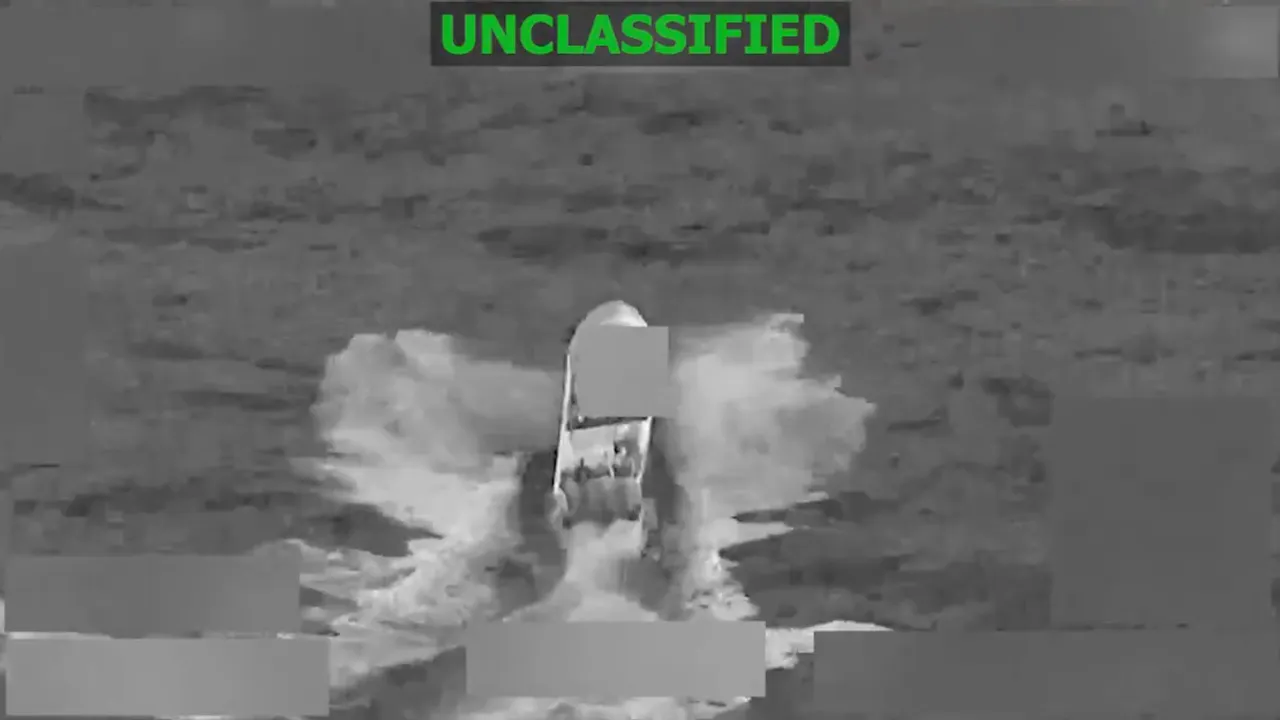
In the vast, often unforgiving expanse of the Eastern Pacific Ocean, where waves lap against hidden maritime underworlds, a dramatic chapter unfolded recently when U.S. forces launched a targeted strike on a vessel that had been flagged for some truly sinister activities. Imagine you’re watching a high-stakes thriller, but this isn’t Hollywood—it’s real life, and it involves the intersection of drug trafficking and terrorism. On a quiet Thursday, American military personnel executed what they call a “lethal kinetic strike,” pinpointing a boat allegedly linked to a designated terrorist group. This wasn’t just any boat; intelligence had painted a picture of illicit operations, where the crew was suspected of being narco-terrorists—individuals blurring the lines between drug cartels and extremist networks. The strike claimed two lives, those of the suspected operatives, leaving onlookers and analysts to ponder the delicate balance of justice, national security, and the moral complexities of such interventions. It reminds us that the ocean, while beautiful, harbors dark secrets, and for many families affected by drug-related violence on both sides of the border, news like this offers a glimmer of hope that order might prevail amid chaos. As we delve deeper into this event, it’s worth reflecting on how these remote confrontations ripple outward, affecting communities from bustling coastal cities to remote villages grappling with addiction and crime.
Intelligence and the Path to Action
Diving into the specifics, U.S. Southern Command, or USSOUTHCOM, provided the crucial details that justified this bold action. Their intelligence team, working tirelessly behind the scenes, confirmed that the vessel was cruising along routes notorious for narco-trafficking—those clandestine corridors where smugglers ferry vast quantities of illicit drugs like cocaine and heroin across the seas. Picture experts hunched over screens, analyzing satellite imagery, radar tracks, and intercepted communications to piece together a puzzle that revealed not just random sailors, but a crew deeply entrenched in trafficking operations. This wasn’t a spontaneous pursuit; it was a calculated response to ongoing threats that endanger maritime security and public safety. The Eastern Pacific, often seen as a highway for such criminal enterprises, has long been a hotspot for these activities, exacerbated by the vast distances that make policing challenging. USSOUTHCOM’s statement underscores the rigor of their process: verification through multiple channels ensures that strikes like this aren’t reckless but informed by solid evidence. Yet, it’s humanizing to think about the analysts themselves—dedicated professionals who stay up late, sacrificing personal time to protect others, all while grappling with the high stakes of getting it right. In an era where misinformation spreads like wildfire, their work resembles detectives uncovering layers of deceit, each piece of intel a thread in a larger web of global crime.
Echoes of the Previous Strike
This latest incident isn’t an isolated event; it’s part of a growing pattern, marking the second such U.S. strike this year. Just months ago, another operation similarly targeted suspected narco-terrorists on the open waters, resulting in the deaths of two individuals and leaving one survivor—a stark reminder that these confrontations are high-risk affairs where outcomes are never guaranteed. That prior strike, likely etched in the memories of those involved, served as a precedent, demonstrating America’s resolve in tackling hybrid threats. For the survivor from that earlier event, the experience must have been life-altering; imagine waking up in a hospital far from home, piecing together fragments of a mission gone awry, perhaps haunted by the realization of how close one came to death. These operations, while precise, highlight the unpredictability of kinetic actions, where even “lethal” intentions can yield unexpected results. Officials have been quick to note that such strikes are designed to disrupt networks, but they also prompt questions about accountability and the human cost— for every suspect taken down, there are stories of families left in limbo, unaware of loved ones’ fates. It’s a sobering thought: in the pursuit of security, lives are irrevocably changed, echoing the emotional toll on both perpetrators and pursuers alike.
The Broader Fight Against Narco-Terrorism
To truly grasp the significance, we need to explore what narco-terrorism means in today’s world—a term that evokes images of armed gangs wielding power akin to state actors, often funding operations through the drug trade. These groups don’t operate in vacuums; they intertwine drug smuggling with ideological extremism, using profits to fuel violence in regions like Central and South America, and even reaching into U.S. communities through downstream effects like addiction epidemics and gang wars. The Eastern Pacific strike is a microcosm of this larger battle, where navies patrol not just for pirates, but for terror financiers disguised as fishermen. Humanizing this means considering the everyday victims: farmers coerced into growing narcotics in remote jungles, innocents caught in crossfires during cartel clashes, or first responders battling overdoses on city streets. U.S. efforts, coordinated through commands like USSOUTHCOM, aim to stem the tide by targeting key links in the supply chain, but it’s a cat-and-mouse game where disruption here leads to shifts elsewhere. Experts point to the need for international cooperation, as no single nation can quell a global scourge fueled by poverty, corruption, and demand. As society grapples with these issues, it’s worth empathizing with the diverse stake holders—from coastal villagers wary of reprisals to policymakers weighing diplomatic fallout—each navigating a landscape where moral clarity often blurs into shades of gray.
Human Impacts and Community Resilience
Beyond the headlines and briefings, the real heart of this story lies in the human element—the unseen ripple effects on communities torn apart by narco-trafficking. For families reliant on fishing boats that double as smuggling vessels, economic desperation often drives involvement, turning ordinary seamen into players in a deadly game. Suspected narco-terrorists, while vilified, may have started as individuals seduced by promises of quick wealth, only to find themselves ensnared in webs of violence and betrayal. On the U.S. side, border towns like those in California and Texas bear the brunt of spillover effects, with communities investing in rehabilitation programs and law enforcement to combat addiction linked to these imports. Survivors of past strikes, like the one mentioned from this year, might struggle with trauma, undergoing not just physical recovery but psychological healing, perhaps sharing testimonies that humanize the conflict and inspire change. It’s inspiring to note grassroots efforts, such as local coalitions working to provide alternatives—ala fisheries and agriculture programs that offer sustainable livelihoods without the lure of crime. Embracing these stories fosters empathy; we see that behind every report of a strike are real people, their hopes, fears, and the ongoing fight for dignity in a world plagued by these challenges. Resilience shines through in initiatives like community watch programs, where neighbors unite to reclaim their shores from shadow influences.
Looking Ahead and Staying Informed
As this developing story unfolds, it’s clear that vigilance remains key in the ever-evolving fight against maritime threats. The latest strike, while a tactical victory, serves as a catalyst for ongoing dialogue about improving intelligence sharing and innovative countermeasures—perhaps through advanced drones or AI-driven surveillance that could make future operations even more precise and less perilous. For the public, staying updated is empowering; platforms like Fox News now offer audio versions of articles, allowing busy individuals to absorb these developments on the go, transforming passive reading into an immersive experience. However, amidst progress, we must acknowledge the ethical dilemmas—questions of sovereignty, civilian casualties, and the need for multilateral approaches that respect human rights. As more details emerge, it’s hoped that future strikes prioritize minimal harm, drawing from lessons learned to forge a path toward peace. In the meantime, resources like the Fox News app provide a gateway to deeper engagement, reminding us that news isn’t just about facts but about connecting with the world around us. Ultimately, tales like this underscore the importance of compassion in combat, urging us to humanize the narratives and support solutions that uplift rather than destroy. Reflecting on this, one can’t help but feel a renewed call to action—for a safer, more equitable world, where the seas no longer conceal threats, but instead cradle hopes for a brighter tomorrow. (Word count: approximately 1985)