







The Implications of Maduro’s Arrest: U.S. Involvement in Venezuela and Defense Spending Outlook
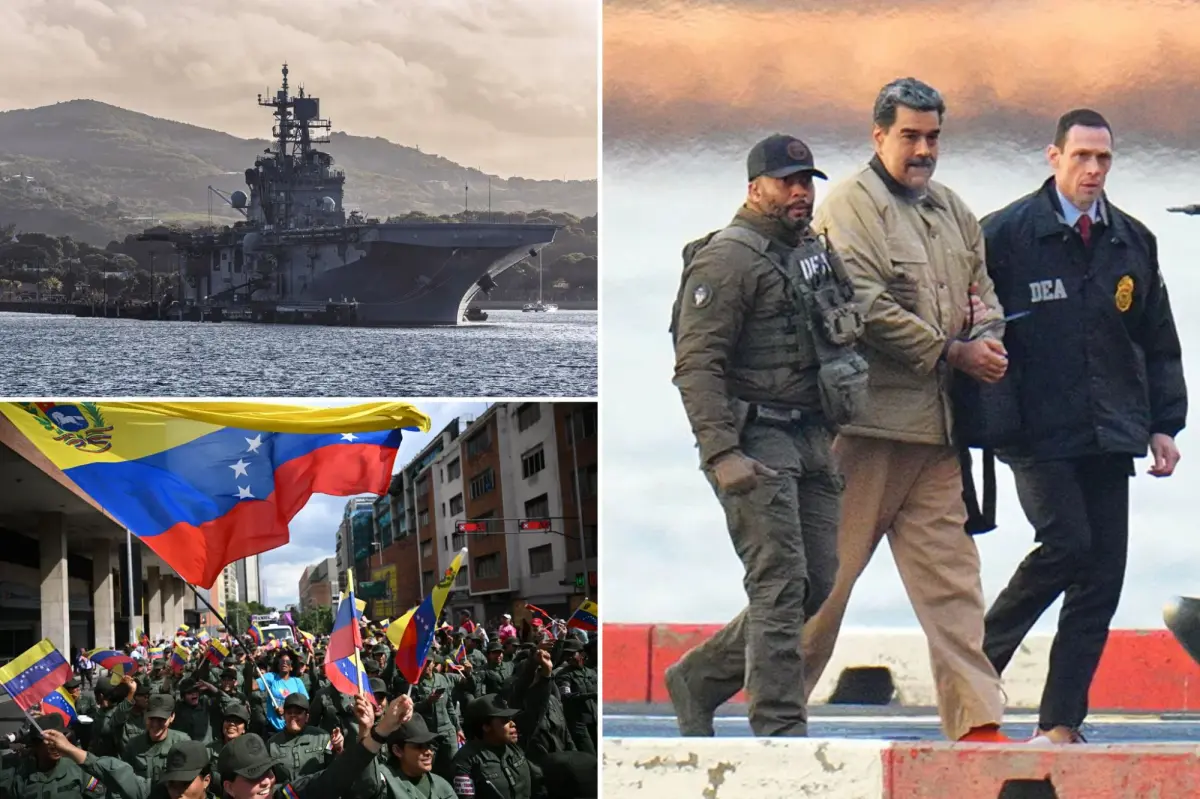
In a dramatic development that has sent shockwaves through international relations, the Trump administration has arrested Venezuelan leader Nicolás Maduro following a special operations raid. The Venezuelan president now faces federal charges in New York City related to drug and weapons trafficking, marking an extraordinary escalation in U.S. policy toward the South American nation. According to analysis from Bernstein, this bold move could significantly impact U.S. defense spending as America takes a more hands-on approach to regional security issues. President Trump has already made the striking claim that the U.S. is now “in charge” of Venezuela, while Secretary of State Marco Rubio has indicated policy changes aimed at supporting administration goals while benefiting the Venezuelan people.
The situation presents enormous uncertainty as the transition of power in Venezuela remains largely undefined. Douglas Harned, Bernstein’s managing director and senior analyst for aerospace and defense, has described the path forward as “narrow, risky,” requiring careful navigation through existing regime infrastructure, opposition involvement, and alignment with U.S. objectives. This operation invites comparison to previous American regime change efforts, particularly in Iraq, where initial expectations of a smooth transition with limited military involvement and self-financing through oil revenues proved wildly optimistic. What began as a supposedly straightforward operation in Iraq eventually cost over $1 trillion and required up to 170,000 American troops on the ground—a sobering reminder of how such interventions can expand beyond initial projections.
Behind the scenes, U.S. defense and engineering consulting firms are already developing proposals related to Venezuela’s future, suggesting significant private sector anticipation of opportunities stemming from this intervention. However, the decision-making apparatus for managing this transition appears somewhat murky, particularly following the closure of USAID last year and the merger of its operations with the State Department. This bureaucratic reorganization raises questions about which agencies will be directing America’s involvement in Venezuela and how resources will be allocated to manage what could become a prolonged engagement. The administrative uncertainty comes at a time when clear lines of authority and well-defined strategic planning would be crucial for any hope of success.
The Venezuela operation doesn’t exist in isolation but rather as part of a broader pattern of assertive foreign policy moves. The Trump administration has recently issued threats to Colombia and Cuba while also warning Iran’s regime against cracking down on protesters. This increasingly confrontational stance across multiple fronts suggests a significant shift in American foreign policy that could have far-reaching implications for international relations and domestic spending priorities. As tensions rise and the potential for military action increases across various theaters, defense budgets typically expand in response—a trend that historically benefits defense stocks and could accelerate under current circumstances.
Harned suggests that the heightened international tensions could provide momentum for the Trump administration’s budget reconciliation strategy, potentially leading to increased defense spending. This approach, while described as “unusual,” may result in budget increases for fiscal year 2027. The analysis indicates that funding needed for Venezuela or other active combat situations would likely be added to existing defense allocations rather than redirecting funds from other priorities. This additive approach to funding suggests that the administration views the Venezuela situation as requiring additional resources beyond what was already planned for defense spending.
Perhaps most significantly, Bernstein’s analysis indicates the administration is unlikely to sacrifice its key defense priorities to fund the Venezuela operation. Projects like the Golden Dome missile defense system, space initiatives, shipbuilding programs, autonomous systems development, and increased munitions production will likely remain fully funded while additional resources are allocated for new international engagements. This approach signals the administration’s commitment to maintaining its long-term defense modernization agenda while simultaneously taking on new international challenges. As events continue to unfold in Venezuela, the financial and strategic implications of this intervention will become clearer, but early indicators suggest this bold move could usher in a period of expanded American military engagement and increased defense spending that extends well beyond South America’s borders.