




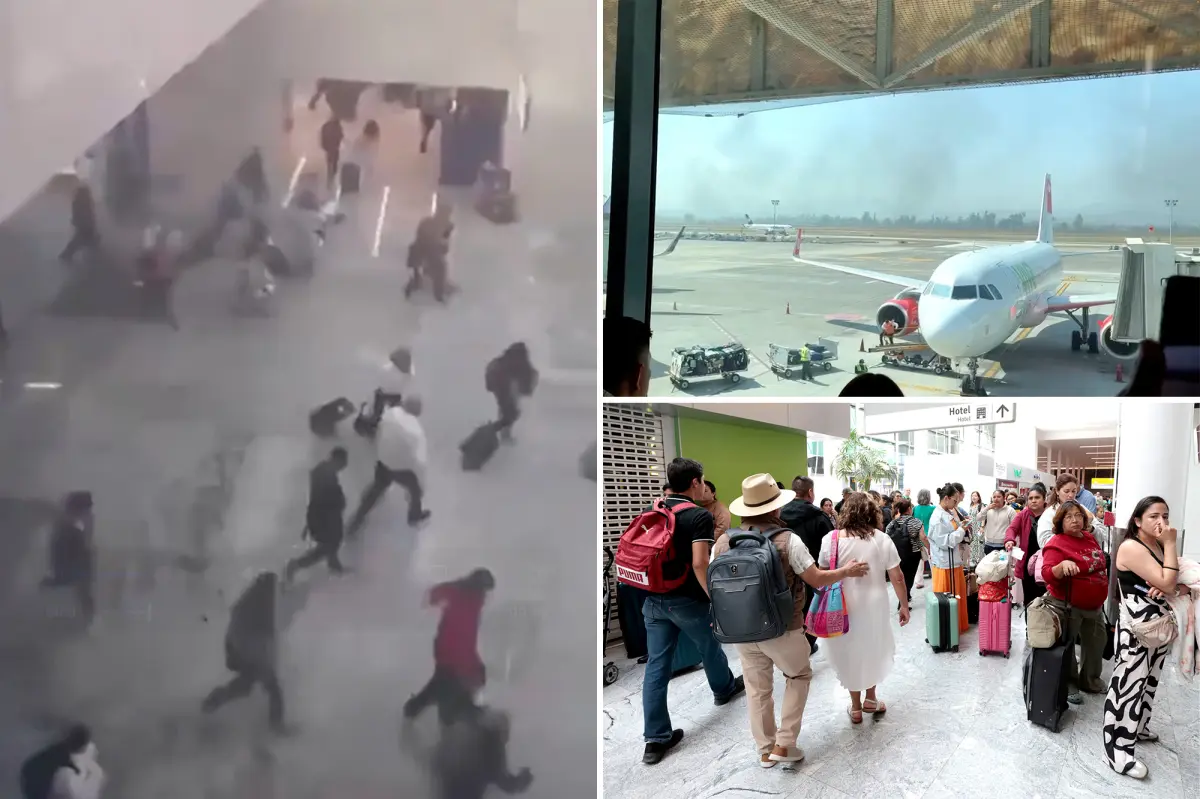
In the shadowed underbelly of Mexico’s drug wars, a single military operation on a quiet Sunday morning in Jalisco state sent ripples across borders and airlines, turning scheduled flights into ghost routes canceled in the name of safety. As word spread that Nemesio Oseguera Cervantes, the notorious drug lord better known as “El Mencho,” had been killed by Mexican forces, clashes erupted in the rugged hills, prompting widespread alerts and urgent embassy warnings. For travelers planning getaways to sun-soaked beaches like Puerto Vallarta or bustling Guadalajara, the day unfolded not with dreams of margaritas and mariachi bands, but with confusion and canceled connections. Airlines scrambled, and families found themselves rerouting dreams, all because one man—a former police officer turned ruthless cartel king—finally met his end amid whispers of gunfire and tactical precision.
Airports hummed with the quiet tension of diverted plans as major carriers took swift action, prioritizing safety over schedules in the face of reported violence in Jalisco. United Airlines was first to the punch, halting every flight touching down in Puerto Vallarta and Guadalajara for the day, leaving passengers to navigate refunds and reroutes with a mix of frustration and relief that cooler heads had prevailed. Southwest followed suit, wiping its slate clean of eight flights to the same plagued paradise, a decision underscored by their unwavering pledge to crew and customer well-being in uncertain times. American Airlines echoed the caution, grounding service to the trio of hotspots—Puerto Vallarta, Guadalajara, and Mazatlán—ensuring no planes danced through potential danger zones. Even Air Canada pulled back from Puerto Vallarta temporarily, its northern gazes fixed on the escalating drama below. By noon, the skies over Mexico were quieter, carriers having no further cancellations lined up, yet the atmosphere remained charged with the promise of more evaluations as intelligence trickled in.
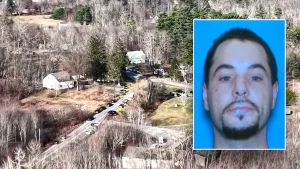
To grasp the weight of this chaos, one must rewind to El Mencho’s rise, a saga of ambition carved from the ashes of fallen empires like that of El Chapo in Sinaloa. Fifteen years ago, as a onetime cop with a badge now bent to criminal enterprises, Nemesio forged the Cartel de Jalisco Nueva Generación into a global powerhouse, transforming a local outfit into a fentanyl-flooding Goliath with tentacles stretching from Mexican rancheros to American streets. His stronghold in Jalisco wasn’t just a territory; it was a fortress of fear, where loyalties were bought with blood and profits sustained by relentless trafficking. With a $15 million U.S. bounty on his head—a testament to his notoriety as one of the world’s most savage kingpins—El Mencho embodied the grim reality of Mexico’s narco-world, a man whose name evoked terror in whispers and headlines alike. His endgame, as unfolded in the military raid near Tapalpa, marked not just a personal downfall but a potential shift in the fragile balance of power along the border.
The killing itself was a symphony of international cooperation, a deadly ballet choreographed between Mexican troops and U.S. intelligence sharers who had long hunted this elusive prey. Conducted in bilateral harmony, the operation leveraged shared intel to target El Mencho with surgical precision, culminating in a hail of gunfire that extinguished a life synonymous with ruthless efficiency. Clashes reportedly flared in the aftermath, gunfights echoing through Jalisco’s hinterlands as loyalists and rivals scrambled amid the confusion. U.S. diplomats urged shelter-in-place advisories across multiple Mexican states, a sobering reminder that one man’s demise could ignite broader criminal tempests, from corner store busts to highway ambushes. In the quiet aftermath, Americans living or visiting Mexico huddled indoors, windows shut against the outside world’s unpredictability, as aviation authorities weighed the skies’ safety.
Official voices broke the tension with measured elation and resolve, painting El Mencho’s death as a victory for the “good guys” in an endless struggle. U.S. Deputy Secretary of State Christopher Landau took to X, his post a beacon of cautious optimism: “I’ve just been informed that Mexican security forces have killed ‘El Mencho,’ one of the bloodiest and most ruthless drug kingpins. This is a great development for Mexico, the US, Latin America, and the world. The good guys are stronger than the bad guys.” The Mexican Defense Department chimed in, highlighting the seamless exchange of intelligence across borders, a nod to transcending bureaucratic hurdles in the war on drugs. Meanwhile, passengers caught in the crossfire breathed a collective sigh—perhaps one of liberation from a man who had indirectly disrupted countless lives through his virulent enterprise. Air Canada, when reached, offered no further elaboration, their silence as telling as the grounded planes below.
In the pragmatic aftermath, airlines extended olive branches in the form of travel waivers, easing the sting for those whose vacations evaporated into thin air. Affected flyers could rebook without dreaded change fees, a small mercy amid the backdrop of a transcendent operation that claimed not just a life but perhaps a fraction of the pervasive poison he peddled. As the sun set on that surreal Sunday, families reformed plans for later layovers, perhaps reflecting on the fragility of human connections in a world teetering between cartel clashes and commercial flights. El Mencho’s legacy loomed large, a reminder that while one chapter closed violently, the larger story of global drug wars continued to loop, with airlines as unwitting narrators in this tale of borders breached and kingpins dethroned. Yet, for the aviation industry, this incident underscored an unyielding mantra: safety first, even when the headlines scream of distant dangers.