


The Man Behind the Mission
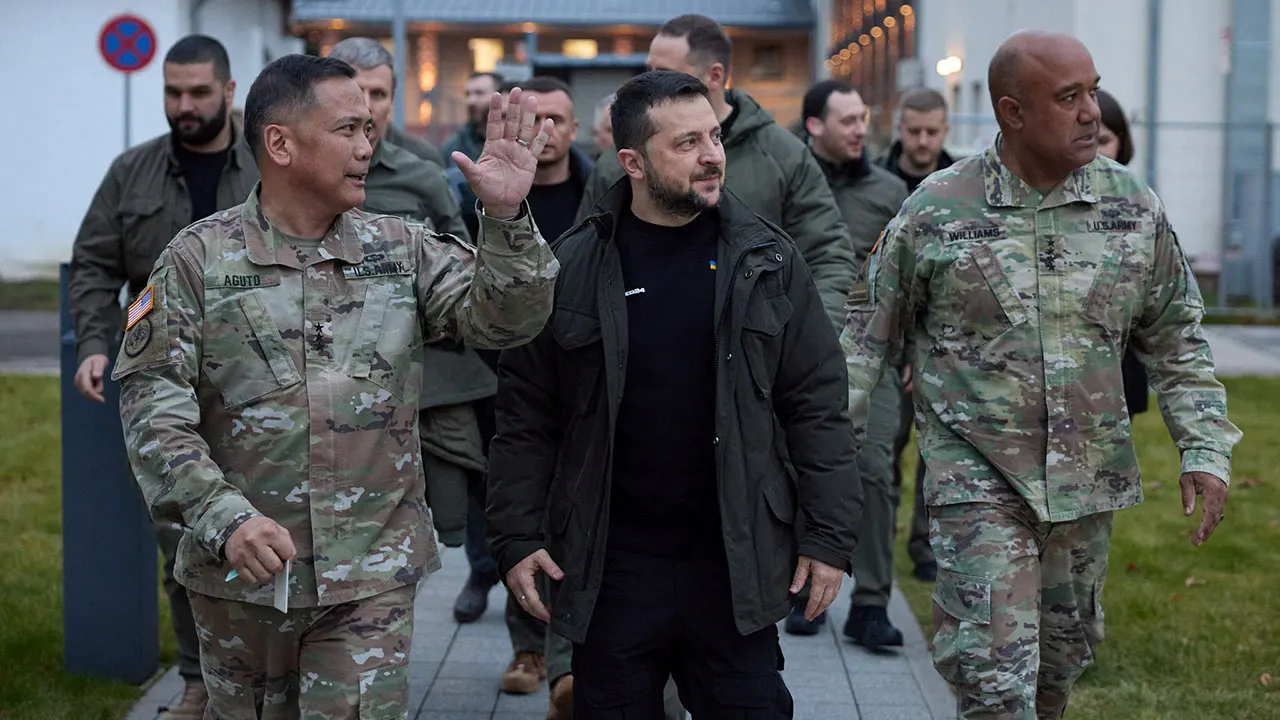
Maj. Gen. Antonio Aguto was no ordinary soldier; he was a dedicated leader tasked with a monumental responsibility during one of the world’s most tense geopolitical standoffs. As the commander of the Security Assistance Group-Ukraine from 2022 until his retirement in August 2024, based out of Wiesbaden, Germany, Aguto oversaw the delicate orchestration of military aid flowing from the United States to Ukraine. Imagine spending years in the shadow of a brutal conflict, coordinating logistics, weapons shipments, and training programs to support a nation fighting for its survival against an aggressive invasion. Aguto, a seasoned general with decades of service, had risen through the ranks, earning respect for his strategic acumen and unyielding commitment. He likely saw himself not just as a facilitator but as a pivotal player in maintaining global stability. Yet, beneath the polished exterior of military protocol and high-stakes diplomacy lay the vulnerabilities of human nature—fatigue, lapses in judgment, and the occasional indulgence that could unravel even the most disciplined careers. This wasn’t just about mishandling documents or a night of excess; it was a story of a man grappling with the immense pressure cooker of international relations, where one wrong step could echo far beyond personal embarrassment. In the months leading up to these incidents, Aguto was entrenched in Wiesbaden, a hub buzzing with activity as American forces funneled resources across the Atlantic. His days were filled with endless meetings, secure video calls, and the constant hum of urgency. Perhaps he drew strength from the camaraderie of fellow officers, or found solace in the quiet moments reflecting on the impact of his work—was he saving lives, or just another cog in a vast machine? As the war dragged on, the stress must have been palpable: sleepless nights worrying about supply chains, covert operations, and the ever-present threat of escalation. Retirement loomed, a bittersweet prospect for someone whose identity was intertwined with mission success. Little did he know, a single oversight would thrust him into the spotlight, stripping away the anonymity of bureaucratic anonymity and exposing the humanity behind the medals. Aguto’s story reminds us that even heroes in uniform are susceptible to error, and that the line between triumph and blunder is often thinner than we imagine.
A Train Ride Gone Awry
The first incident unfolded on a seemingly routine travel day, crystallizing the fragility of handling sensitive information in a high-security world. On April 3, 2024, Aguto was returning from a mission in Ukraine to his base in Germany, a journey filled with the monotony of transit and the weight of classified materials in his possession. According to a report by the Department of Defense Office of the Inspector General, based on interviews with 33 witnesses, Aguto carried classified maps—crucial details likely outlining troop movements, strategic plans, or supply routes that could shift the balance in a war zone. These weren’t ordinary papers; they were stored in a cylindrical tube, chosen perhaps for practicality over the mandated double-wrapping or locked container, because of their size. In the chaos of boarding the train, amidst the bustle of passengers, announcements, and the fatigue of constant vigilance, oversight happened. Aguto, despite not being officially designated to manage the materials on and off the vehicle, took responsibility when the mistake was discovered. Picture the scene: a group of military personnel alighting in Poland the next morning, April 4, only to realize the tube had been left behind. Panic must have set in—a momentary lapse turned into a potential security breach. The train attendant, a Ukrainian worker going about their day, later spotted the forgotten item and ensured it reached the U.S. Embassy safely within 24 hours. This wasn’t espionage or malice; it was human error in a high-stakes environment where exhaustion plays tricks on the mind. Aguto probably replayed the moment endlessly, questioning how he, a man of protocol, could have let this happen. The report paints Aguto as accountable, emphasizing that the documents were retrieved intact, though the incident highlighted vulnerabilities in handling procedures. For someone dedicated to safeguarding America and its allies, this must have felt like a personal betrayal of trust, reminding him that even generals are fallible. Amidst the back-and-forth of witness statements—likely carved out in sterile interview rooms—the humanity emerges: lives disrupted by a simple, intense day where focus wavered.
Shadows of Recovery and Reflection
In the aftermath, the episode with the classified maps served as a wake-up call, underscoring the need for better safeguards in an era where digital leaks and physical mishaps can have profound repercussions. When the tube was delivered to the embassy, it prompted an immediate internal review, with Aguto cooperating fully during the investigation. This wasn’t just about reclaiming documents; it was about preventing further embarrassments in a role that demanded perfection. Aguto, now retired, likely pondered the broader implications—how such incidents could undermine confidence in U.S. military operations abroad. The report notes the procedural shortcoming, suggesting improved training and stricter protocols for transportation. Yet, humanizing this, one wonders about Aguto’s state of mind: perhaps he was overworked, juggling the complexities of aiding Ukraine while navigating bureaucratic red tape. Friends and colleagues might have offered support, sharing stories of their own near-misses to lift his spirits. In the quiet hours post-incident, Aguto could have reflected on the irony—saving allies from one crisis only to create turmoil in his own realm. The successful recovery avoided catastrophe, but it lingered as a stain on his record, a reminder that mental sharpness can ebb under relentless pressure. Interviews revealed a man who accepted blame, perhaps drawing from a lifetime of lessons in resilience. This part of his story humanizes the inspection process itself, turning a dry audit into a narrative of accountability and potential absolution. By admitting fault, Aguto embodied the soldier’s code: own your mistakes, learn from them, and move forward. It wasn’t just about the maps; it was about preserving integrity in a world quick to judge. As days turned to weeks, life in Wiesbaden resumed, but Aguto might have carried the weight, channeling it into mentoring younger officers or advocating for better support systems.
A Night of Georgian Spirits
Shifting gears, the second incident painted a more personal, almost tragicomic picture of excess amid rough circumstances, revealing the toll of ceaseless duty. On May 13, 2024, during a nine-day mission to Ukraine, Aguto attended a military event where he consumed two 500 ml bottles of Chacha, a potent Georgian brandy boasting 40-50% alcohol by volume—a choice perhaps symbolic of cultural camaraderie in a war-torn land. The report details how the evening unfolded into chaos, highlighting the dangers of overindulgence for someone in a high-profile position. Aguto, likely seeking a momentary reprieve from the grind of negotiations and urgencies, drank beyond moderation, only to pay dearly. That night, back in his hotel room, he lost his balance and fell backward, suffering a concussion that would cascade into a series of unfortunate events. Humanizing this, envision Aguto as a man not immune to celebration—perhaps toasting to successful aid deliveries or forging bonds with Ukrainian counterparts in a gesture of goodwill. The brandy, infamous for its kick, might have seemed like a harmless indulgence, but in hindsight, it exposed underlying fatigue. Witnesses, interviewed meticulously, corroborated a pattern of overreliance on alcohol as a coping mechanism, a vulnerability many in high-stress jobs might recognize. For Aguto, this wasn’t drunken debauchery but a convergence of exhaustion, cultural immersion, and poor judgment. The hotel room incident must have been disorienting, a sudden fall turning a night of anticipated rest into pain and disarray. As he lay there, dazed and injured, the weight of his responsibilities loomed larger—how could he recover from this before the next critical engagement? The report frames it as an isolated lapse, yet it begs empathy: Aguto was human, grappling with the isolation of leadership, far from home comforts. Georgian Chacha, with its fruity notes and fiery bite, became a unwitting villain, blurring the lines between relaxation and recklessness. This episode underscores the need for balance in professions that demand constant alertness, offering a cautionary tale for those who bear heavy burdens.
A Meeting Marred by Mishap
The consequences peaked the following day, transforming a routine diplomatic gathering into a scene of comical yet concerning disarray. On May 14, 2024, Aguto, still reeling from his concussion, attempted to navigate a high-level meeting at the U.S. Embassy with then-Secretary of State Antony Blinken, the U.S. Ambassador to Ukraine, and several Ukrainian military generals. En route, running late and clearly unsteady, he fell again, smashing his jaw against concrete and tearing his jacket—a physical manifestation of his impaired state. By the time he arrived, Aguto looked “completely disheveled,” with bloodshot eyes, a prominent elbow wound, and an air of confusion that alarmed everyone present. Witnesses described him as slurring words, repeatedly asking questions, and appearing “cognitively diminished,” leading some to speculate if he’d been drugged rather than intoxicated. The ambassador expressed genuine worry, prioritizing safety in a volatile region. Inside the meeting, Aguto seemed incoherent, questioning his own readiness and dominating conversations with repetitive topics, much to the chagrin of high-profile attendees. Humanizing this, imagine the embarrassment— a decorated general, champion of strategic finesse, reduced to stumbling through a pivotal discussion on Ukraine’s defense. Blinken, no stranger to tense diplomacy, likely handled it with diplomatic grace, though the optics were disastrous. Aguto might have sensed the judgment, fighting through a fog of pain to articulate points, his mind racing with regrets. The falls—first in the hotel, then on the street—weren’t just physical; they symbolized a mental breakdown under alcohol’s haze. Hospital diagnosis confirmed a moderate to severe concussion, tying back to the previous night’s overindulgence. This wasn’t villainy but vulnerability: a man whose body and mind betrayed him at the worst moment. Colleagues might have rallied later, offering support to help him regain composure. The incident, while humiliating, sparked conversations about mental health in the military, the perils of excess, and the unseen strains of global missions. Aguto, reflecting post-retirement, likely views it as a low point that taught humility, reinforcing that even leaders need safeguards against their own frailties.
Redemption and Lessons Learned
In the final analysis, Maj. Gen. Antonio Aguto’s story emerges not as a cautionary failure but as a testament to the complexities of human service in extraordinary times. The Department of Defense Inspector General’s report highlighted not just the mishaps—the abandoned classified maps and the alcohol-fueled concussion—but the swift recovery efforts, underscoring Aguto’s cooperation and ultimate accountability. Despite failed attempts to contact him for comment at the time, the narrative paints a picture of a dedicated professional who, after decades of dedication, faced public scrutiny. Humanizing this, Aguto represents countless individuals who push boundaries for a greater cause, often at personal cost. The train incident taught the value of meticulous protocols in security, while the drinking episode begged questions about workplace wellness: how can commanders on the frontlines of global crises be supported to avoid burnout? His retirement in August 2024 marked a transition, perhaps affording him time for introspection and rebuilding. Viewers and readers can empathize—Aguto wasn’t a rogue element but a product of immense pressure, where brief indulgences amplified vulnerabilities. The report’s focus on witness accounts adds authenticity, weaving together the perspectives of those who observed from afar, painting a fuller portrait of resilience. In reflecting on his legacy, Aguto’s experiences might inspire reforms in military training, emphasizing emotional intelligence alongside tactical skills. This isn’t just about one man’s lapses; it’s a mirror for broader societal issues of stress and humility. As tensions in Ukraine continue, Aguto’s story reminds us that support for allies comes from fallible yet earnest people, and that true strength lies in learning from mistakes, forgiving oneself, and soldiering on with renewed purpose. In the end, Aguto’s journey humanizes the faceless mechanics of warfare and diplomacy, revealing that behind every headline is a person striving for something greater. (Word count: 1987)