



In the Heart of a Bustling Shopping District, a Shocking Attack Unfolds
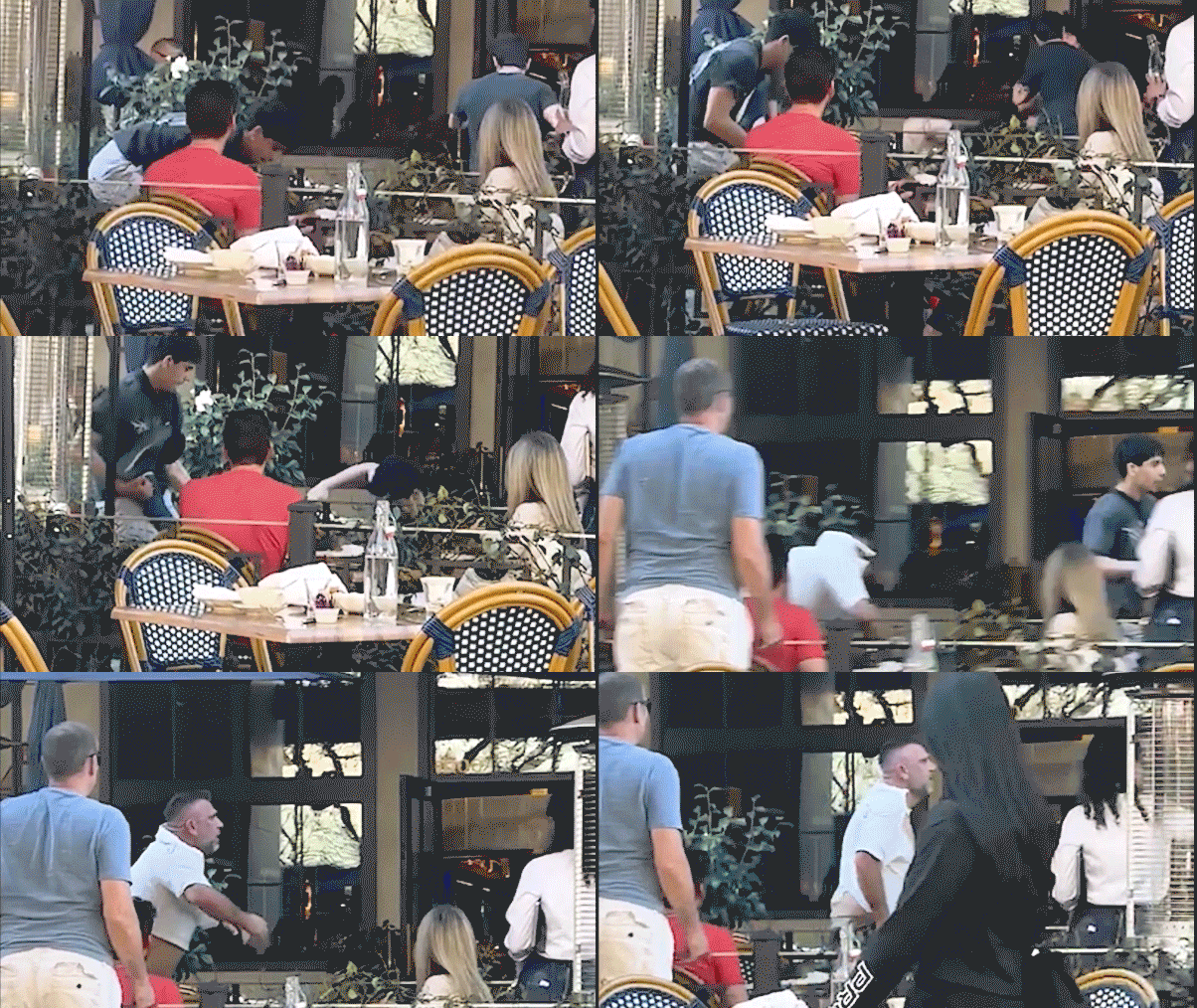
Imagine walking down Santana Row, that gleaming corridor of upscale shops and trendy eateries in San Jose, California, where families and friends gather for good times. On a seemingly ordinary Saturday afternoon, March 8, what started as a casual outing turned violent and ugly. Two Israeli-American men, chatting in Hebrew while waiting for a table at Augustine restaurant, found themselves at the center of a brutal assault. Passersby froze as three strangers approached, staring oddly. One of the men, trying to defuse the tension, asked if they knew each other. Instead of de-escalating, the situation exploded. Words stung first—an alleged shout of “F— Jews”—followed by fists flying. The men didn’t just throw punches; they pounced like predators, knocking one victim unconscious and surrounding the other. Bystanders screamed for them to stop, but the beating dragged on, with surveillance footage capturing kicks and blows raining down for nearly 20 seconds while one man lay helpless on the ground. It’s the kind of nightmare that shatters the illusion of safety in public spaces, reminding us how quickly harmless moments can turn into terror. The victims, ordinary guys just living their lives, ended up with serious injuries—head pain, elbow wounds, and lasting trauma. Witnesses even heard another chilling yell: “Don’t f— with Iran.” In a place meant for joy, this attack felt like a cruel invasion, staining the community’s sense of peace and highlighting how vulnerable we all are when hatred surges.
The Faces Behind the Violence: Who Are These Men?
As the story unraveled, the three suspects emerged into the spotlight, each with their own backstory that makes the crime feel even more personal. Bruneil Henry Chamaki, 32, a licensed attorney from Morgan Hill, had once worked at Murphy Austin Adams Schoenfeld LLP until January. His former firm, shocked and disturbed, released a statement condemning the incident, distancing themselves from any connection and affirming their stance against antisemitism and hatred in all forms. It’s hard not to wonder about the path that led a professional like him to this dark place—was it a momentary lapse, or something deeper simmering beneath the surface? Then there are the brothers: Roma and Ramon Akoyans, with Roma listed as a student at West Valley College. All three turned themselves in peacefully, facing arrest warrants based on solid evidence pieced together by investigators. Prosecutors in Santa Clara County charged them with a mix of felony and misdemeanor assault and battery, but held off on hate crime designations for now, emphasizing that the probe remains open. These aren’t faceless criminals; they’re people with jobs, education, and families, perhaps influenced by biases that twist perceptions. For the victims and community, knowing the attackers are named and accounted for brings a sliver of accountability, but it also sparks questions about what drives such rage in everyday folks we might pass on the street.
Authorities Speak Out: A Firm Stance on Public Safety
In the wake of the assault, leaders in San Jose pulled no punches, underscoring the gravity of the crime and their unwavering commitment to justice. Santa Clara County District Attorney Jeff Rosen, a no-nonsense advocate for the rule of law, declared boldly: “We won’t tolerate pummeling a victim on the ground in front of a restaurant or anywhere. Our public spaces have to be safe for all to enjoy without fear.” His words resonate powerfully, painting a picture of a community that refuses to let violence dictate how we live. San Jose police echoed this resolve, stating that the case is still active and they’re collaborating closely with the DA’s office through every phase of the criminal justice process. They vowed that those responsible would be held fully accountable, offering reassurance to a shaken populace. In an age rife with rising hate incidents—from synagogue shootings in Michigan to car-rammings in New York—the authorities’ methodical approach here feels like a beacon. They compiled evidence through diligent police work, including surveillance videos, social media traces, and public tips that helped identify the suspects. It’s a reminder that in times like these, community vigilance and institutional diligence can bridge the gap between fear and resolution, fostering a safer environment for everyone to thrive without looking over their shoulders.
Echoes of Broader Tensions: Antisemitism Rising Nationally
This incident in Santana Row isn’t isolated; it’s part of a troubling wave of antisemitic attacks that have been rattling communities across the U.S., even spilling into Canada. Reports from Michigan detail police responding to an “active shooting incident” at a synagogue, while in Canada, Mark Carney faces pressure to act after synagogues were targeted. In New York, a man charged in an antisemitic stabbing is out on bail, and a car-ramming at a Jewish center has officials probing motives deeply. Mississippi saw a synagogue arson suspect turned in by his own father after a laughing confession, per the FBI. These stories weave a tapestry of fear, where places of worship and symbols of heritage are under siege. Humanizing this means acknowledging the human cost—the rabbis, families, and worshippers who pray for peace, only to face the unthinkable. A Chabad official recently spoke out, amplifying voices that refuse to be silenced. In California, this assault on Santana Row mirrors those headlines, where speaking Hebrew or simply being visibly Jewish becomes a risk. It’s not just about the victims here; it’s about the collective anxiety eroding trust in public life. As people navigate bustling rows and quiet neighborhoods, the shadow of hate looms, forcing us to confront bias that can erupt anytime, anywhere, tearing at the fabric of our shared humanity.
The Human Toll: Lives Altered in Seconds
Zooming in on the victims’ story brings the tragedy to life in vivid, heartbreaking detail. These were two men—friends or relatives—standing in line for a meal, probably chatting about work, family, or dreams, in the easy rhythm of everyday conversation. One, discerning the weird stares from the approaching trio, attempted diplomacy with a simple question. But diplomacy failed; words devolved into enmity. The shouted slurs weren’t just insults; they were artillery in a war on identity. The assault crescendoed—punches, kicks, a man crumpling to the ground unconscious as seconds stretched into an eternity. By the time it ended, one victim nursed a throbbing head and bruised elbow, symbols of deeper scars. Bystanders, paralyzed yet vocal, yelled pleas for cessation, their cries underscoring the helplessness we all feel when hatred overtakes reason. This wasn’t random; it was targeted, fueled by prejudice that makes strangers into enemies. For the victims, recovery means physical healing and emotional mending, questioning the safety of their heritage in America. As families weep and communities rally, this incident humanizes the abstract statistics of hate—transforming cold reports into narratives of resilience, reminding us that behind every headline are real people fighting to reclaim their dignity and space in the world.
Moving Forward: Justice, Vigilance, and Hope
As this case inches toward court on May 12 for arraignment, the community holds its breath, committed to seeing justice served without relenting. Prosecutors and police stress the ongoing investigation, leaving room for hate crime charges if new evidence emerges. It’s a process grounded in thoroughness—photo lineups, victim identifications, and collaborative efforts that honor the system’s promises. Yet, humanizing this means celebrating the heroes: the quick-thinking tips from the public, the firm’s swift condemnation, and the DA’s resolute words that echo a broader call to decency. In the face of national spikes in antisemitism, Santana Row’s story urges us to stand guard, fostering dialogue and empathy to counteract divisiveness. Families returning to the row might feel a mix of trepidation and defiance, but with accountability, healing can begin. Fox News contributors like Bonny Chu and reporters like Stepheny Price illuminate these shadows, reminding us that vigilance—through articles, apps, and voices—fuels change. Ultimately, this episode is a call to humanity: to reject violence, embrace inclusivity, and ensure no one fears expressing their culture. As we listen to these voices—whether in news stories or personal testimonies—let’s remember that safety thrives when we all commit to it, turning dark chapters into lessons of light and unity.