




Minneapolis Protests Erupt Following Fatal Shooting During Migrant Arrest
On a tense Saturday morning in Minneapolis, chaos unfolded as hundreds of protesters clashed with federal agents following the shooting death of 37-year-old Alex Jeffrey Pretti. The confrontation began when Pretti was fatally shot after allegedly attempting to intervene in the arrest of a migrant. According to authorities, Pretti brandished a weapon during the incident, which occurred near West 26th Street and Nicollet Avenue in South Minneapolis. As news of the shooting spread, the community’s response was swift and emotional, with approximately 200 demonstrators converging on the scene in what quickly evolved from protest to confrontation.
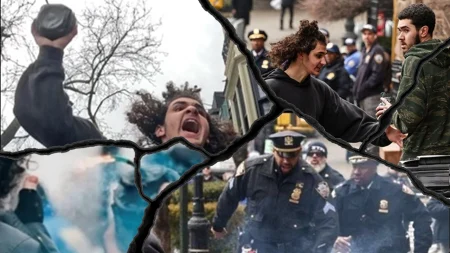
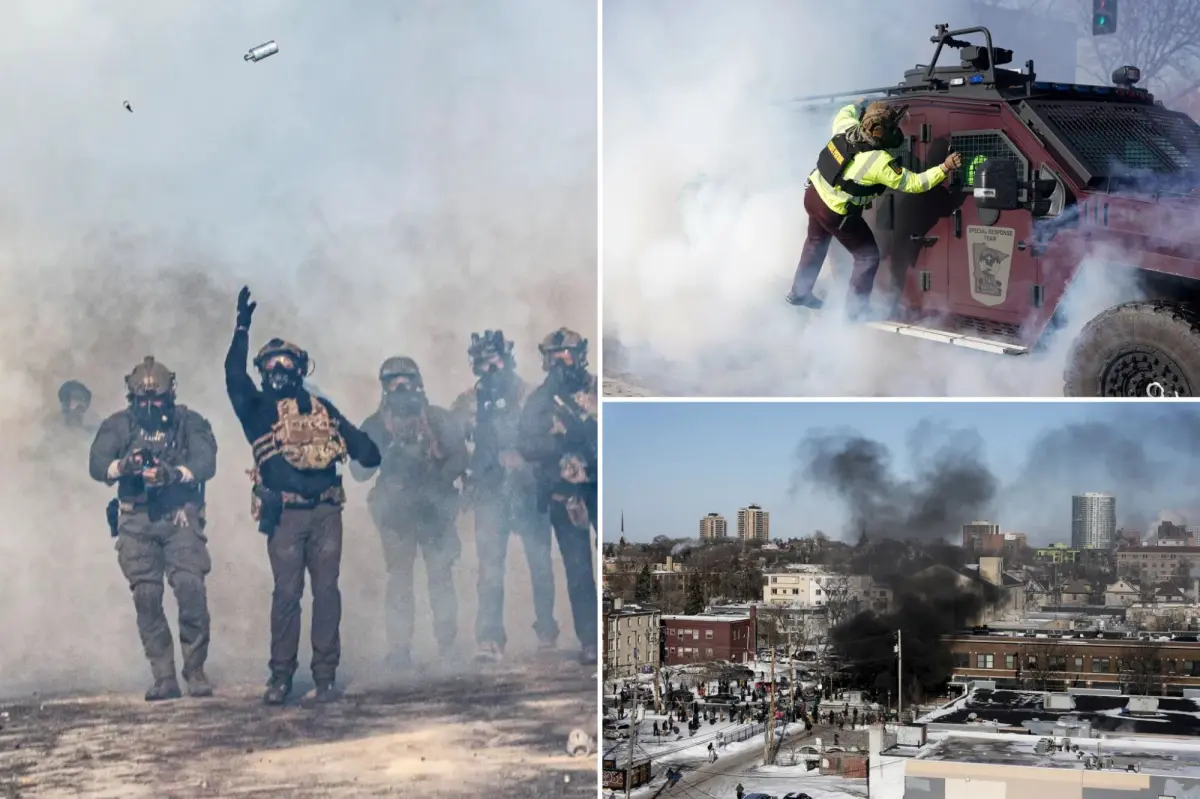
The atmosphere grew increasingly volatile as protesters and federal agents faced off in the streets. Demonstrators expressed their anger through various means – jeering at masked agents, blowing loud whistles, and in some cases, hurling objects including trash cans at armored vehicles. Many protesters were heard shouting expletives at the officers attempting to maintain control. Federal forces responded by deploying tear gas in repeated volleys, hoping to disperse the growing crowd. The Department of Homeland Security later described the situation as one where rioters “began to obstruct and assault law enforcement on the scene,” necessitating “crowd control measures” for public and officer safety.
The tension wasn’t limited to the immediate area of the shooting. Concerns about potential escalation prompted Minnesota Governor Tim Walz to activate the National Guard. Their mission: to secure the Whipple Federal Building, a facility that has served as an immigration detention center and could become a focal point for further demonstrations. Governor Walz justified the decision by citing “the potential for continuing and growing conflict.” This preventative measure underscored officials’ concerns that the unrest might spread beyond its initial boundaries to other locations symbolically connected to immigration enforcement.
Minneapolis Police Chief O’Hara addressed the public amid the growing unrest, acknowledging the community’s emotional response while urging restraint. “We recognize that there’s a lot of anger and a lot of questions around what has happened, but we need people to remain peaceful,” the Chief stated, confirming that an “unlawful assembly” declaration had been made for the area. This official designation granted authorities additional powers to manage the situation, but also highlighted the delicate balance officials were attempting to strike between allowing legitimate expression of grief and preventing further violence or property damage.
The Minneapolis incident occurs against a backdrop of national debates around immigration enforcement and police use of force. While specific details about the migrant’s arrest that sparked the confrontation remain limited in the available information, the community’s rapid and forceful response suggests deeper undercurrents of tension. For many in Minneapolis – a city still processing the aftermath of George Floyd’s murder in 2020 and subsequent protests – incidents involving law enforcement carry particular weight and can quickly mobilize community action, whether peaceful or confrontational.
As the city grapples with this latest flashpoint, questions remain about how authorities and community leaders will navigate the days ahead. The deployment of National Guard troops signals official concern about the potential for prolonged unrest, while community reactions suggest deep-seated frustrations that may not be easily resolved. The incident highlights ongoing challenges in police-community relations, immigration enforcement practices, and the complex interplay between federal and local authorities during times of civil unrest. How Minneapolis addresses these tensions in the coming days may provide insights for other communities facing similar divisions in an increasingly polarized national climate.