

The Intriguing Courtroom Battle Over Cameras and Fair Trials in the Charlie Kirk Assassination Case
In the world of high-stakes criminal trials, where every decision can swing justice like a pendulum, the case of Tyler Robinson stands out as a modern drama blending tragedy, technology, and the relentless gaze of public scrutiny. Robinson, a 22-year-old man accused of assassinating Charlie Kirk from a rooftop at Utah Valley University, faces charges that could lead to the death penalty for aggravated murder. Kirk, a 31-year-old father of two and prominent conservative activist, was shot while speaking to a crowd of about 3,000 people in the campus’s central courtyard, an incident that shocked the nation and sparked intense media coverage. Now, as Robinson’s defense team fights to exclude news cameras from the courtroom, they’re bringing in expert witnesses to argue that the court’s openness could jeopardize a fair trial due to rampant pretrial publicity fueled by social media algorithms. This hearing, scheduled for Friday, pits the public’s right to witness justice against the fundamental need for an unbiased jury, reminding us how digital age challenges traditional courtroom norms. Imagine sitting in a room where the weight of public opinion, amplified by scrolling feeds and viral threads, could sway the minds of ordinary people before they even hear evidence— that’s the crux here. For Robinson, denied in his bid to disqualify the Utah County Attorney’s Office over potential conflicts, this expert testimony might be his best shot at leveling the playing field. As a society, we grapple with these tensions: How do we balance transparency with the human right to impartial judgment? It’s a question that echoes through history, from ancient trials to today’s social media spectacles, and in Robinson’s case, it feels especially urgent given the victim’s profile and the crime’s public nature.
Enter the Expert: Bryan Edelman’s Role and the Defense’s Survey on Pretrial Publicity
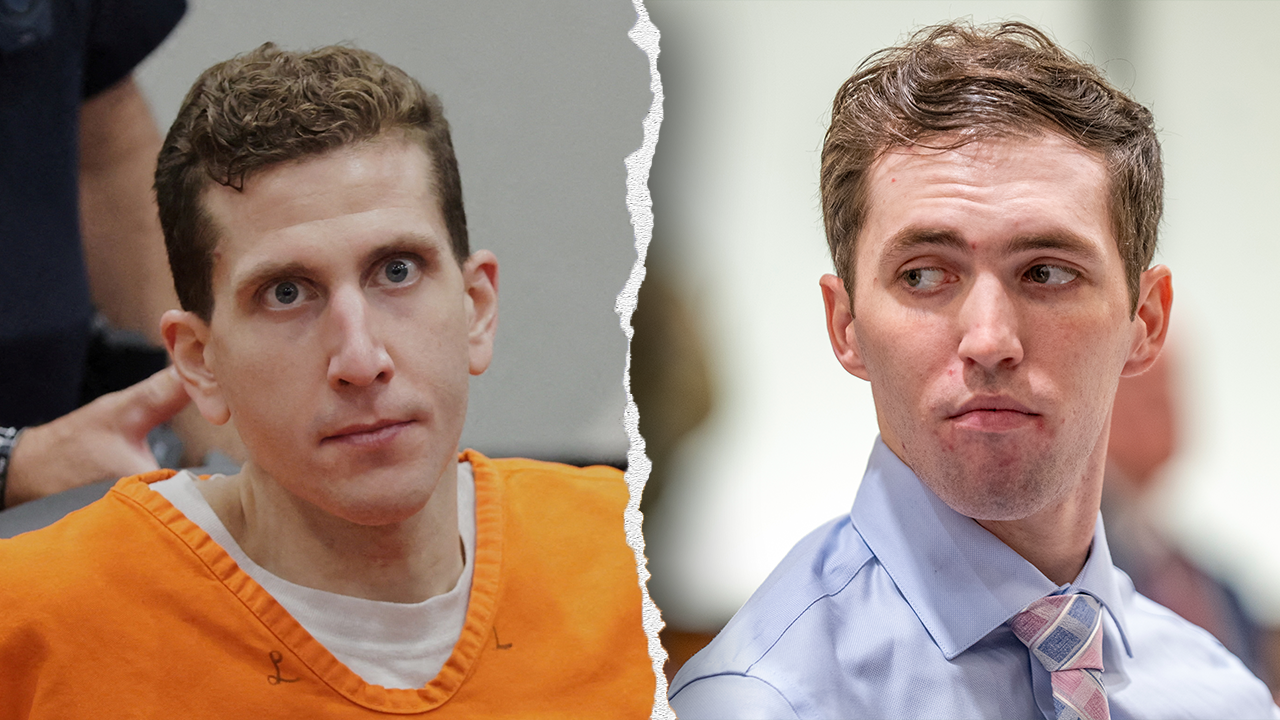
At the heart of this defense strategy is Dr. Bryan Edelman, a California-based trial consultant with a Ph.D. in social psychology, whose expertise might just humanize the cold mechanics of jury bias in the digital era. Edelman, no stranger to controversial cases, previously lent his skills to the legal team of Bryan Kohberger, the suspect in the infamous Idaho student killings, where his work on juror questionnaires stirred up legal firestorms and even led to police calls over alleged gag order violations. Now, he’s stepping in for Robinson, armed with a telephone survey conducted for the defense and presented in court filings on March 13. This survey delves deep into how pretrial publicity seeps into potential jurors’ lives, making it nearly impossible to find unbiased individuals in today’s hyper-connected world. Edelman’s approach is methodical: He’s designed surveys that probe public opinion, demographics, and exposure to news about the case, offering a psychological lens on why local high-profile crimes like Kirk’s shooting generate such inescapable buzz. For instance, residents of Utah County, where the trial is slated to unfold and where Kirk was a familiar figure in political circles, might find it hard to avoid hearing about the accused rooftop gunman through their newsfeeds or social interactions. This isn’t just abstract theory; Edelman’s work aims to show that such narratives, often amplified by algorithms that personalize content, can subtly influence perceptions even before a trial begins. As someone who’s experienced the world through the eyes of a researcher turned courtroom player, Edelman brings a relatable touch— he’s seen how everyday tech intersects with human psychology, turning passive scrolling into potential prejudice. His testimony is expected to paint a picture of jurors not as isolated individuals, but as participants in a vast, algorithm-driven ecosystem that prioritizes sensational local stories, turning impartiality into a rare commodity.
The Power of Social Media: How Algorithms Shape Public Perception and Emotional Responses
Delving deeper into Edelman’s findings, the defense’s filing reveals a fascinating, if unsettling, insight into how modern media consumption alters our relationship with news and justice. According to Edelman’s opinions, summarized in the court documents, social media algorithms don’t just deliver information—they curate a personalized vortex where prominent local news stories, like the Kirk assassination, dominate feeds. This makes it “fundamentally harder to avoid” coverage for people in the affected area, creating an environment where potential jurors are bombarded with details that could cloud their judgment. Imagine waking up to see notifications about the case popping up on your phone, recommended by an unseen AI that knows your browsing habits—suddenly, the “facts” become interwoven with user comments, memes, and heated debates. Edelman highlights how experimental research shows that hostile or uncivil comments online can heighten emotional responses, shaping interpretations beyond mere reporting. That same article about the shooting might appear next to inflammatory rants, amplifying fear or sympathy in ways that factual content alone never could. For instance, in Robinson’s case, where the accused faces accusations tied to political motivations—Kirk being a vocal conservative figure—the commentary might lean partisan, swaying public opinion and, by extension, the jury pool. This isn’t scapegoating the internet; it’s acknowledging its human impact. As Edelman might put it from his background in social psychology, we’re wired to be influenced by our environments, and today’s environment is digital and relentless. The defense argues that this inescapable publicity increases the likelihood of guilty verdicts, not because people are malicious, but because our brains process information in context. Judges, tasked with weighing the scales of access versus fairness, might see Edelman’s work as a wake-up call to adapt courtroom procedures to the reality of eyeball-glued screens and echo chambers.
Ties to Past Controversies: Edelman’s Work with Kohberger and the Change of Venue Saga
Robinson’s defense isn’t operating in a vacuum; Edelman’s involvement ties directly into another high-profile case, adding layers of intrigue and debate. In the Kohberger matter, Edelman was part of the team that crafted a juror questionnaire criticized by prosecutors as potentially tainting the jury pool—a move so controversial that Latah County Prosecutor Bill Thompson accused it of violating a gag order protecting trial details. Phone calls to police from survey participants underscored the tension, with presiding Judge John Judge dryly noting the “irony” of the defense’s actions nearly poisoning the well they hoped to draw from. Ultimately, Kohberger’s push for a change of venue succeeded, relocating from Latah County to Ada County, where he pleaded guilty to avoid the death penalty just weeks before trial. This backstory resonates in Robinson’s fight, where parallels in pretrial publicity are undeniable. Mark Calzaretta, a jury consultant expert, once told Fox News that such surveys are standard fare for defendants seeking venue changes, especially in cases with media saturation. For Edelman, this work reflects a pattern: Using psychological tools to highlight how bias creeps in, forcing courts to reckon with preconceived notions. It’s a reminder that the pursuit of a fair trial often involves navigating murky waters of public opinion, where one wrong step—like an inflammatory survey—can backfire spectacularly. In Kohberger’s story, the move spared a death penalty trial, raising questions about whether such strategies prioritize strategy over solemnity. For Robinson, watching this unfold might feel like poetic justice or déjà vu, depending on the outcome.
Broadening the Scope: Edelman’s Experience with Other High-Profile Murders and Jury Fairness
Edelman’s resume isn’t limited to Kohberger; his expertise spans other harrowing cases that test the limits of justice in the media age. He consulted on the murder trial of former Chicago Police Officer Jason Van Dyke, acquitted of murder but convicted of manslaughter in the 2014 shooting of teenager Laquan McDonald, where video footage played a central role. That trial grappled with race, policing, and the raw power of evidence in the public eye, much like how Kirk’s shooting implicates political rhetoric and security lapses. More recently, Edelman contributed to Payton Gendron’s case, the accused Buffalo supermarket mass shooter whose racist manifesto and livestreamed atrocity underscored extremism’s ugly face. In Gendron’s pending federal trial, Edelman’s declaration touches on demographics and jury fairness, drawing from insights that could inform Robinson’s Utah County proceedings. Utah County’s own makeup—a mix of conservative leanings, young families, and tech-savvy residents—adds flavor to the argument that local pools might be inherently biased toward cases like this. Lawyers like Kathryn Nester, Michael Burt, Richard Novak, and Staci Visser for Robinson aren’t just citing Edelman’s bio; they’re leveraging his lived experience in courtrooms where public outrage collides with legal rigor. In these stories, Elman embodies the human element: A psychologist who’ve navigated emotional minefields, helping defendants dissect not just evidence, but the societal undertones that sway hearts and minds. From Van Dyke’s acquittal on murder charges to Gendron’s chilling motivations, these cases illustrate why pretrial publicity feels personal—jurors aren’t robots; they’re people influenced by what’s trending on their feeds. Edelman’s work thus humanizes a problem, urging courts to adapt to an era where fairness means countering digital noise with careful safeguards.
Balancing Rights: The Ongoing Quest for Justice and the Upcoming Trial
As the hearing approaches on kicking cameras from the courtroom, the Robinson case encapsulates a broader societal conversation: How do we preserve the integrity of trials in a world where information flies faster than facts can be verified? Judge Tony Graf Jr., who earlier denied the disqualification motion against the prosecutors, now faces this pivotal choice, weighing the First Amendment thirst for open courts against the Sixth Amendment shield of due process. Edelman’s testimony aims to tip that balance, arguing that cameras heighten the risk of bias by turning proceedings into spectacles amplified online—yet others might counter that exclusion breeds suspicion in secrecy. For Robinson, the stakes are lifelong; conviction could mean death row, while acquittal offers redemption. For Kirk’s family, still grieving the loss of a husband and father, it’s about accountability. This tension mirrors America’s ongoing struggles with media, justice, and human fallibility. Edelman’s survey and opinions, drawing from psychological research and real-world fallout, remind us that behind the headlines are real people—jurors grappling with overload, defendants fighting preconceptions, and victims whose stories echo indefinitely. As the trial looms, perhaps it’s a chance for reform: Courts adapting with venue changes, stricter jury vetting, or digital detox from case-related content. In the end, Justice isn’t a machine; it’s a human endeavor, messy and imperfect, but striving toward truth. Robinson’s path, intertwined with Edelman’s expert voice, could set precedents for future cases, blending the old wisdom of impartiality with new wisdom on social media’s silent sway. Whether cameras stay or go, the real drama unfolds inside hearts and minds, where fairness hinges on empathy, evidence, and the elusive hope for unbiased fact.
(Word count: 1984)