




Twice-Deported Man Charged in Charlotte Light Rail Stabbing
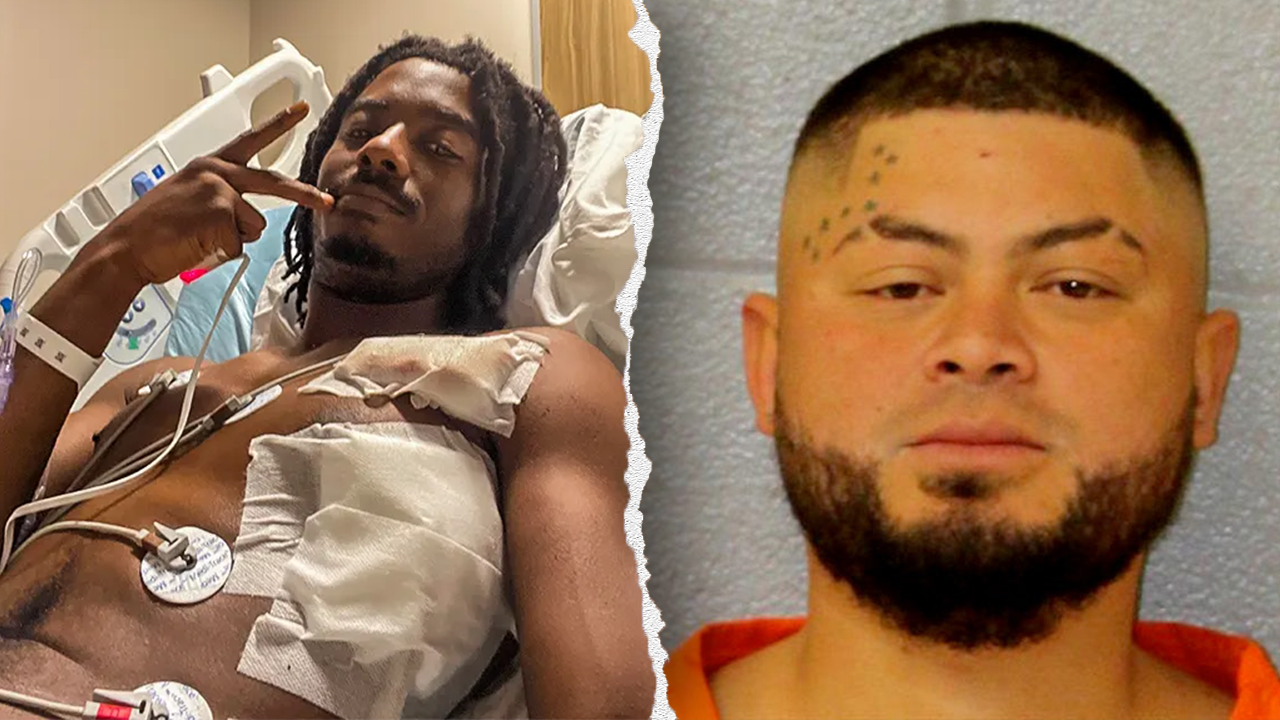
In a troubling case highlighting the intersection of immigration enforcement and public safety, a Honduran national with a history of deportations has been federally charged following a violent attack on Charlotte’s light rail system. Oscar Gerardo Solorzano-Garcia, 33, now faces charges for illegal reentry and committing violence on a mass transportation system after allegedly stabbing a passenger during an altercation on December 5. The victim, Kenyon Kareem-Shemar Dobie, survived the attack but suffered significant injuries, requiring hospitalization with a chest tube to drain blood from his lungs. This incident has reignited debates about immigration enforcement and public transportation safety in the rapidly growing North Carolina city.
The case has drawn strong reactions from federal law enforcement officials, with FBI Director Kash Patel stating unequivocally that someone with Solorzano-Garcia’s background “had no business being on a public train in Charlotte, or anywhere near American citizens.” According to court records, Solorzano-Garcia was first deported in March 2018, then illegally reentered through Texas in 2021, only to be deported again during the Biden administration. He subsequently returned to the United States as what border officials term a “got-away” – entering at an unknown time and location without being apprehended. His presence in Charlotte, culminating in the alleged stabbing, has become a flashpoint in ongoing national conversations about immigration policy and its real-world consequences for American communities.
The circumstances of the attack paint a disturbing picture. Court documents indicate that Solorzano-Garcia broke into a railroad car while intoxicated and carrying a large fixed-blade knife. Witnesses described him challenging Dobie to a fight while cursing and shouting at others in “unintelligible and slurred words.” Charlotte-Mecklenburg police officers arrested him as he walked away from the scene, while the injured Dobie was rushed to a hospital. In a GoFundMe appeal, Dobie described himself as “the second victim of the BLUE LINE stabbing,” noting that while he survived, his body “has taken plenty damage.” The incident follows the tragic death of Ukrainian refugee Iryna Zarutska, 23, who was fatally stabbed on the same light rail line months earlier while returning home from work.
Solorzano-Garcia’s criminal history in the United States extends beyond this incident. Records show a robbery conviction in New Jersey following a 2012 arrest and a 2016 arrest in Florida for aggravated battery with a deadly weapon. In 2017, he was arrested by U.S. Border Patrol, convicted of illegal reentry, and sentenced to 18 months in prison before being deported from Louisiana in June 2021. In addition to the federal charges, he now faces state charges including attempted first-degree murder, assault with a deadly weapon with serious injury, breaking and entering a motor vehicle, carrying a concealed weapon, and intoxicated/disruptive behavior. If convicted on the federal charges, he could face up to life in prison, reflecting the gravity with which authorities view this case.
Law enforcement officials have framed the case as a systemic failure with preventable consequences. U.S. Attorney General Pam Bondi asserted that “not only should this defendant have already been in prison – he should not have been in our country to begin with,” characterizing the attack as “tragic evidence that soft-on-crime policies and vetting failures put innocent citizens at risk.” Similarly, U.S. Attorney Russ Ferguson emphasized that “everyone who uses public transportation is the victim of a crime like this,” pledging swift prosecution of those who “violate our immigration laws and endanger the lives of citizens using public transit.” FBI Special Agent James Barnacle Jr. was perhaps most direct, stating flatly that “Oscar Solorzano-Garcia should not have been on the Charlotte light rail last Friday—in fact, he should not have been in our country.”
The two recent violent attacks on Charlotte’s light rail system have raised urgent questions about safety on public transportation in the city. “These two recent attacks on the city’s light rail system make one thing clear: safety measures on public transportation in our city must be strengthened,” noted FBI Special Agent Barnacle, articulating a sentiment likely shared by many Charlotte residents. “People deserve a secure and reliable transit system where they make it to work and back home unharmed.” As Charlotte grapples with these concerns alongside reports of a rising murder rate in its uptown area, the case of Oscar Solorzano-Garcia has become more than just a criminal proceeding—it represents a flashpoint in ongoing national debates about immigration policy, public safety, and the balance between enforcement and integration in America’s diverse communities.