






Trump’s Push for Lower Healthcare Costs: Taking on Insurance Companies
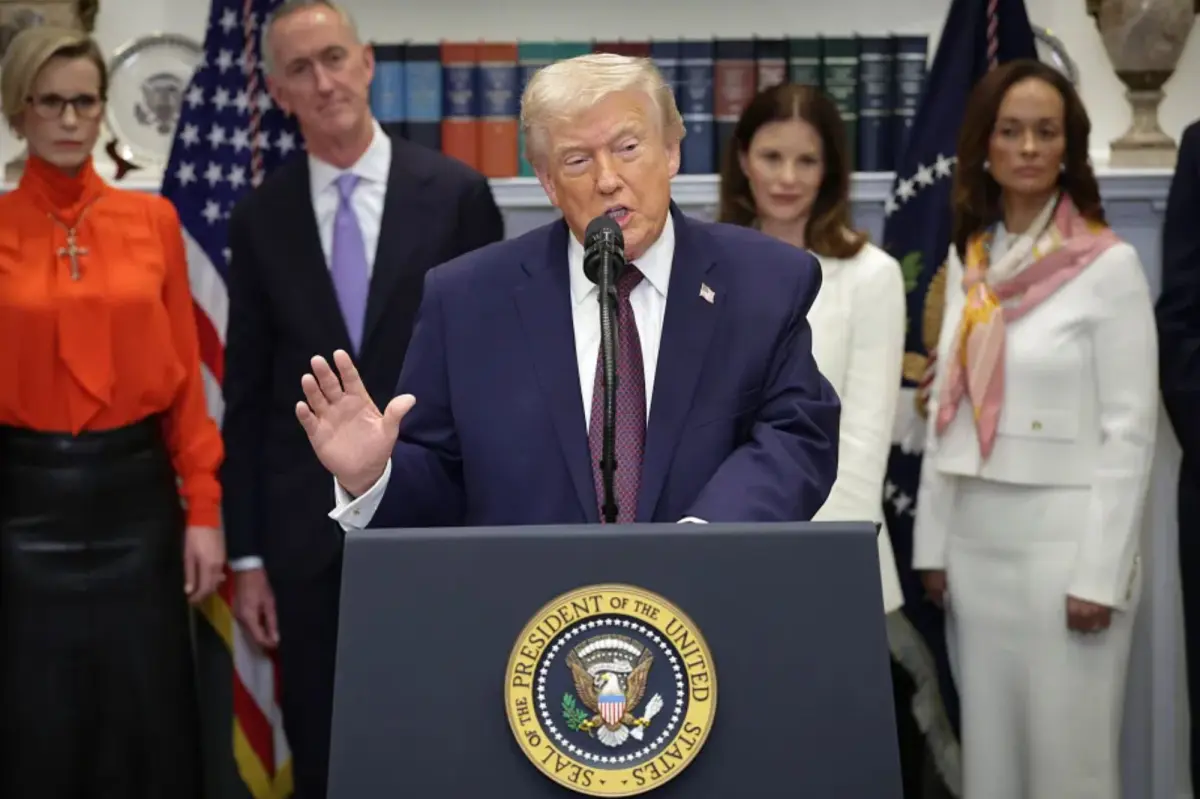
In a bold move following his successful negotiations with pharmaceutical executives, President Trump announced plans to convene a summit with health insurance CEOs to address rising healthcare costs in America. The impromptu announcement came during an event where pharmaceutical companies had agreed to reduce drug prices to match those in other developed nations. Trump’s decision appears to have been sparked by his social media comments about insurance companies “ripping off America,” referring to an opinion piece highlighting the industry’s record-breaking profits.
The President expressed confidence that a single conversation with insurance industry leaders could result in dramatic price reductions of “50, 60, or 70%.” He pointed to the substantial growth in insurance companies’ stock prices—some reportedly increasing by as much as 1800%—as evidence that “there’s a lot of fat that can be cut.” This approach mirrors his strategy with pharmaceutical companies, where he leveraged the threat of tariffs to secure commitments for lower prices. While standing alongside pharmaceutical executives whom he praised as “incredible, brilliant, responsible citizens,” Trump described his insurance industry summit as “just an idea that I had standing here,” suggesting the plan was formulated in real-time during the event.
Trump’s initiative comes at a critical economic moment as he works to address public concerns about the economy, which have affected his approval ratings ahead of the upcoming midterm elections. The timing is particularly significant for approximately 22 million middle-class Americans who are facing higher premiums on insurance policies purchased through Affordable Care Act exchanges due to expiring pandemic-era subsidies—extensions of which have been advocated for by congressional Democrats. By targeting health insurance companies, Trump appears to be addressing a pain point for many Americans while positioning himself as a champion for more affordable healthcare.
The President was direct about his intentions, stating he would call “a meeting of the big insurance companies that have gotten so rich by receiving money—and really far, far more money than they’re entitled to.” He emphasized that this meeting would happen quickly—either in Florida “this coming week” or at the White House “the first week, not the second or third week” after his Christmas trip to Mar-a-Lago. The urgency of his timeline underscores the importance he’s placing on this initiative, suggesting he views it as both politically advantageous and potentially impactful for Americans struggling with healthcare costs.
Trump’s approach reveals a pragmatic side to his healthcare strategy, focusing on direct negotiations with industry players rather than comprehensive legislative reform. “I’m going to call in the insurance companies that are making so much money, and they have to make less—a lot less,” he stated plainly, adding that his goal is to achieve “reasonable health care without having to cut them out and let it all go awry.” This statement suggests he’s seeking substantial concessions from insurance companies while avoiding more radical restructuring of the healthcare system that might disrupt existing arrangements completely. It also indicates his recognition of the complex interconnections within the healthcare ecosystem.
While the President didn’t explicitly detail what leverage he would use to persuade insurance executives to reduce prices, his success with pharmaceutical companies demonstrates his willingness to employ federal powers to achieve his goals. The pharmaceutical agreement came after threats of tariffs, suggesting similar tactics might be employed with insurers. This developing story represents another chapter in Trump’s unconventional approach to governance—using direct executive intervention and negotiation rather than traditional legislative pathways. As the meeting approaches, both industry observers and everyday Americans will be watching closely to see whether this direct approach to healthcare costs can deliver meaningful relief to consumers facing increasingly unaffordable insurance premiums.