







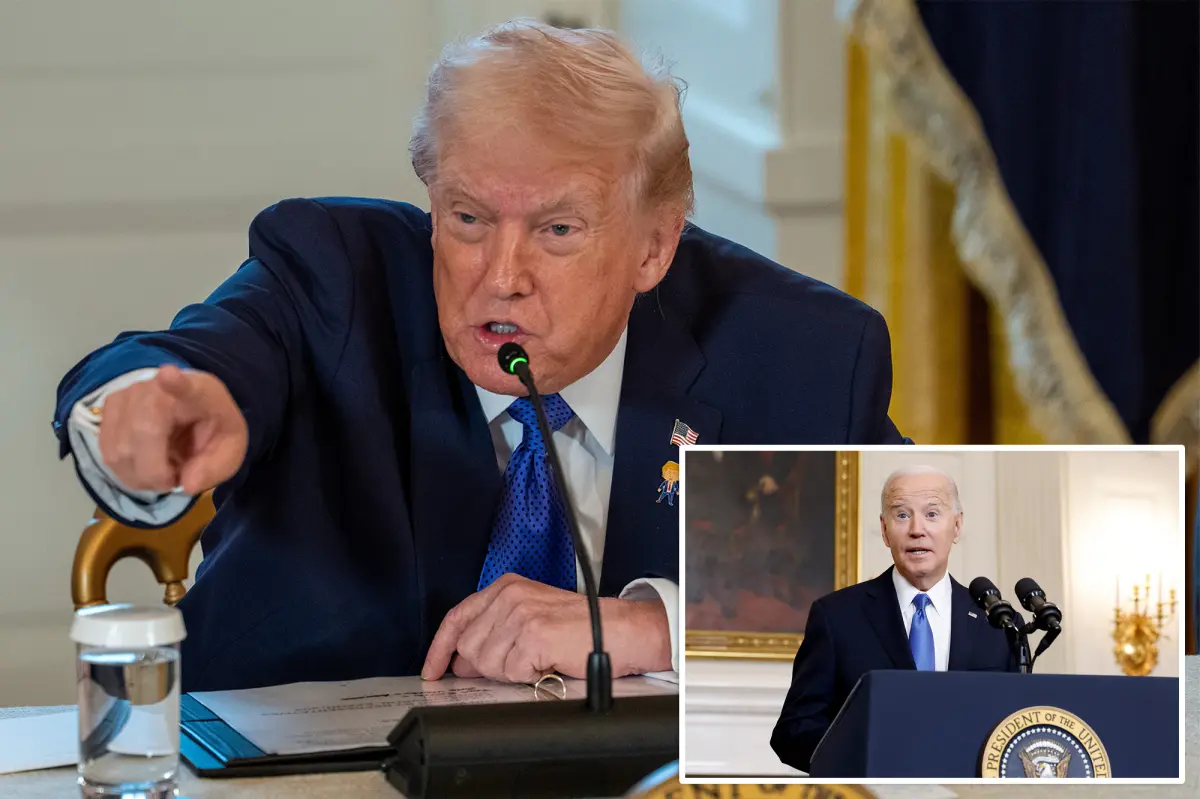
President Trump Calls for 10% Cap on Credit Card Interest Rates
In a bold move addressing consumer finance concerns, President Donald Trump announced on Friday a call for credit card companies to implement a 10% interest rate cap for one year, starting January 20, 2026. Through a statement on Truth Social, Trump emphasized his administration’s commitment to affordability, criticizing what he termed as “ripping off” American consumers with interest rates that have climbed to 20-30% during the previous administration. This announcement revives a proposal he first introduced during his campaign trail last year, when he promised to provide relief to working Americans struggling with high credit card debt. The timing of the proposed cap would coincide with the one-year anniversary of Trump’s administration, which he characterized as “historic and very successful.”
Credit card interest rates reached a record high of 21.76% in August 2024, placing significant financial burdens on millions of Americans carrying revolving debt. Since Trump took office, these rates have seen a modest decrease, falling to just below 21% (20.97%) as of November. However, this reduction hasn’t been sufficient to address broader concerns about credit card affordability, particularly as many households continue to manage post-pandemic financial challenges. Trump’s announcement suggests that his administration views the current interest rate environment as unfair to consumers, despite the slight improvement over the past year. By publicly calling for this cap, the president appears to be signaling to both the financial industry and consumers that addressing credit costs remains a priority in his economic agenda.
The president’s proposal has reignited a debate about government intervention in financial markets. When Trump first mentioned the interest rate cap idea during a September 2024 campaign rally at Nassau Coliseum, banking groups immediately pushed back, arguing that government-imposed price controls would severely restrict credit availability. Industry representatives warned that such caps would force lenders to offer credit cards only to high-income consumers with excellent credit ratings, potentially excluding millions of Americans from access to credit. This tension between consumer protection and market efficiency reflects a long-standing policy debate about the appropriate role of government in regulating financial products and services. Trump’s announcement suggests he is willing to challenge traditional Republican free-market orthodoxy on this issue.
The bipartisan interest in credit card reform became evident shortly after Trump’s inauguration, when Senators Josh Hawley (Republican-Missouri) and Bernie Sanders (Independent-Vermont) introduced legislation that would cap credit card interest rates at 10% for five years. While this bill was referred to committee and did not advance to a vote, it demonstrated that concerns about credit card costs cross traditional political lines. Senator Hawley responded enthusiastically to Trump’s latest announcement, writing “Fantastic idea. Can’t wait to vote for this” on social media platform X, while also acknowledging that congressional legislation would be necessary to implement the president’s proposal. This unusual alliance between a conservative Republican president and figures from both political parties highlights how pocketbook issues can sometimes transcend partisan divisions.
Implementation of Trump’s proposed interest rate cap would face significant legal and practical challenges. The president’s announcement, while forceful in tone, does not carry the force of law without congressional action. Federal regulations governing credit card practices primarily stem from legislation like the Credit CARD Act of 2009, which requires congressional approval for major changes. Additionally, credit card companies would likely mount legal challenges to any executive action imposing such caps, arguing that the president lacks authority to unilaterally regulate interest rates. Financial analysts have noted that interest rate caps could lead to unintended consequences, including reduced credit availability, the elimination of rewards programs, and the introduction of new fees to offset revenue losses. These complexities suggest that Trump’s announcement may be more about setting a policy direction than implementing immediate change.
The economic implications of a potential interest rate cap extend beyond just the banking sector. American consumers currently hold approximately $1.14 trillion in credit card debt, with interest charges representing a substantial cost for many households. Proponents of interest rate regulations argue that high rates perpetuate cycles of debt and disproportionately impact middle and working-class Americans. Critics counter that interest rates reflect the unsecured nature of credit card lending and the associated risks. Some economists have suggested that alternative approaches—such as enhancing financial literacy, strengthening disclosure requirements, or addressing the underlying factors driving high household debt—might produce better outcomes without the potential negative consequences of price controls. As this debate continues, Trump’s announcement ensures that credit card affordability will remain a prominent issue in national economic policy discussions throughout his administration.