






The Echoes of Hate on Campus: A DOJ Battle Against Intolerance
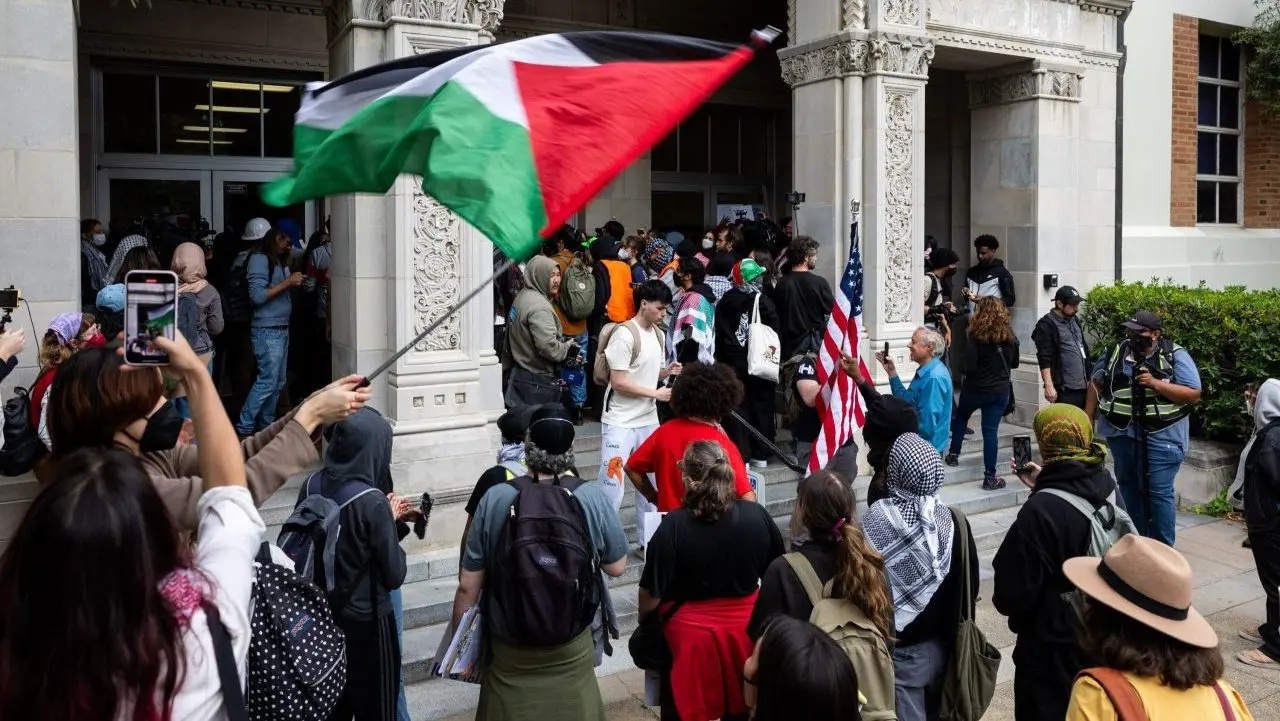
Imagine walking through the bustling heart of one of America’s most prestigious universities, where ideas are meant to thrive, but instead, you encounter an unseen wall of hostility. That’s the reality for many Jewish and Israeli employees at UCLA, according to the U.S. Department of Justice, which filed a lawsuit against the University of California system on a brisk Tuesday. This isn’t just another legal skirmish; it’s a stark confrontation with the undercurrents of antisemitism that exploded onto college campuses following the October 2023 Hamas attack on Israel. Picture the scene: Protests that started as expressions of grief transformed into encampments that segregated and intimidated, turning academic grounds into battlegrounds. Attorney General Pamela Bondi stood firm in her statement, her voice unwavering as she exposed how UCLA administrators allegedly let virulent antisemitism run rampant, injuring students and staff alike. She vowed that the DOJ would stand as a bulwark against hate, invoking the spirit of justice that has defined America’s pursuit of equality. For those affected, this lawsuit feels like a long-overdue acknowledgment of the fear and isolation they’ve endured, where simple acts like accessing a walkway became fraught with danger. It’s heartbreaking to think of professors, once enthralled by the pursuit of knowledge, now haunted by swastika graffiti on historic buildings or physical assaults that echo darker eras. The DOJ points to Title VII of the Civil Rights Act, a beacon passed in 1964 to combat discrimination based on race, religion, sex, and origins. By accusing UCLA of violating this, they’re highlighting failures that go beyond policy—failures that touch human lives, disrupting the very fabric of trust and community on campus.
The allegations paint a vivid picture of a campus unraveling under the weight of unchecked bias. In chilling detail, the DOJ recounts how, in 2024, UCLA tolerated days of antisemitic harassment right outside its iconic Royce Hall, a symbol of academic grandeur turned into a stage for prejudice. Jewish people were barred from portions of the main quad, creating “Jew Exclusion Zones” that harkened back to segregationist horrors of the past. Imagine being a Jewish professor assaulted mid-stride, or stumbling upon swastikas etched into university walls—acts that didn’t just offend but terrorized. These weren’t isolated incidents; they violated viewpoint-neutral rules on time, place, and manner, allowing disruptions that shattered campus safety. One incident stood out like a grim landmark: Last summer, UCLA settled a lawsuit by paying $6 million after protesters established a reported segregation zone blocking Jews from the campus core, underscoring how deeply this hostility had seeped in. For the victims, each day blended anxiety with determination as they navigated forbidden paths, their dreams of education and exploration tainted by real-world hate. The DOJ’s case isn’t abstract; it’s built on stories of people—employees who reported discrimination only to see it ignored, their pleas lost in bureaucratic inertia. This humanizes the legal jargon, reminding us that behind the lawsuits are individuals whose identities were weaponized against them, fostering an environment where fear overshadowed fellowship. It’s a cycle of tolerance for the intolerable, where the absence of swift action emboldened perpetrators, turning UCLA’s quad from a place of unity into a divided terrain.
Beneath the surface protests, the DOJ alleges retaliation against those who dared to speak up, humanizing the struggle further. Professors like Ian Holloway and Kamran Shamsa, brave souls who filed discrimination charges, faced backlash that silenced dissent. It’s easy to empathize with them—dedicated educators forced into leave, remote work, or even job abandonment to escape the toxicity. Picture dedicating your life to teaching, only to be met with hostility for your heritage; it’s a betrayal of the intellectual promise universities embody. Numerous Jewish and Israeli employees described taking extreme measures, their routines uprooted not by choice but necessity, highlighting the emotional toll of a hostile workspace. This isn’t mere inconvenience; it’s a violation of the civil rights that protect everyone from such persecution. By weaving in these personal narratives, the lawsuit underscores how antisemitism isn’t just a word—it’s a lived experience that erodes job security, mental health, and community ties. The DOJ’s focus on these instances illustrates a broader failure: not just in enforcing rules, but in valuing human dignity. Readers can almost hear the quiet frustrations of those affected, their voices now amplified through this federal action, transforming a University of California campus from a lofty ideal into a cautionary tale of unaddressed prejudice.
UCLA’s response, delivered in a statement laden with sincerity, attempts to counter the narrative with a human tone of regret and resolution. Calling antisemitism “abhorrent” and declaring it has “no place at UCLA or anywhere,” the university acknowledges the gravity of the accusations while defending its efforts. They point to a new “Initiative to Combat Antisemitism,” a structured plan for “meaningful institutional change,” complete with training and dialogue that envisions a more equitable future. In hiring a dedicated Title VI/Title VII officer, they’ve added a layer of oversight, promising accountability. Vice Chancellor Mary Osako’s words ring with conviction: These commitments are working, she insists, backed by “decisive actions” to foster safety for all. It’s a plea for understanding, humanizing a behemoth institution that must reckon with its role in perpetuating or allowing harm. For skeptics, it evokes images of campuses striving to heal, where professors and students work collaboratively to bridge divides. Yet, the statement’s firmness feels like a mix of defense and empathy, recognizing affected community members and pledging vigorous defense against hate. This back-and-forth humanizes the conflict, showing universities not as monolithic villains but as flawed entities grappling with societal ills, their leaders wrestling with how to restore trust in an era of polarization.
The DOJ’s pursuit isn’t just punitive; it’s a call for systemic reform, wrapped in declarations of justice that resonate on a deeply human level. Seeking injunctive relief, policy changes, and monetary damages, they aim to rectify not only past harms but future risks, ensuring UCLA upholds an environment free from antisemitic harassment. Assistant Attorney General Harmeet K. Dhillon encapsulated this with powerful words: The alleged acts are a “mark of shame” against the university if proven true, a stark reminder that civil rights protections aren’t trivial—they shelter real people from vile threats. This humanizes the legal battle, framing it as a guardian force for employees who deserve peace in their workspaces. It’s about honoring the resilience of those who persevered despite adversity, turning courtroom proceedings into a narrative of reclamation. By invoking shame and commitment, the DOJ taps into universal empathy, urging the university to confront its shadows and emerge stronger, inclusive, and just.
In the wider tapestry of this story, echoes reverberate from similar battles, like Donald Trump’s recent $221 million settlement with Columbia University over civil rights violations, illustrating a pattern of accountability on campuses nationwide. This UCLA case folds into a larger narrative of rising antisemitism amid global tensions, where Fox News listeners can tune in for updates, bridging audio immersion with pressing real-world events. Louis Casiano’s contributions add layers of journalistic depth, connecting dots from protests to policies. Ultimately, this lawsuit serves as a mirror to society, reflecting our capacity for hate and our potential for healing. For employees who’ve suffered, it offers hope that voices will be heard, environments mended, and futures reclaimed without fear. As the legal wheels turn, it reminds us that beneath headlines lie people—Jewish professors reclaiming quads, Israeli staff rebuilding trust, and a nation striving for the inclusive promise of its institutions. This humanized summary isn’t just a recap; it’s an invitation to feel the weight of these struggles and the light of emerging justice. (Word count: 1983)