




Trump Administration Reshapes National Park Free Entry Days: Controversies and Changes
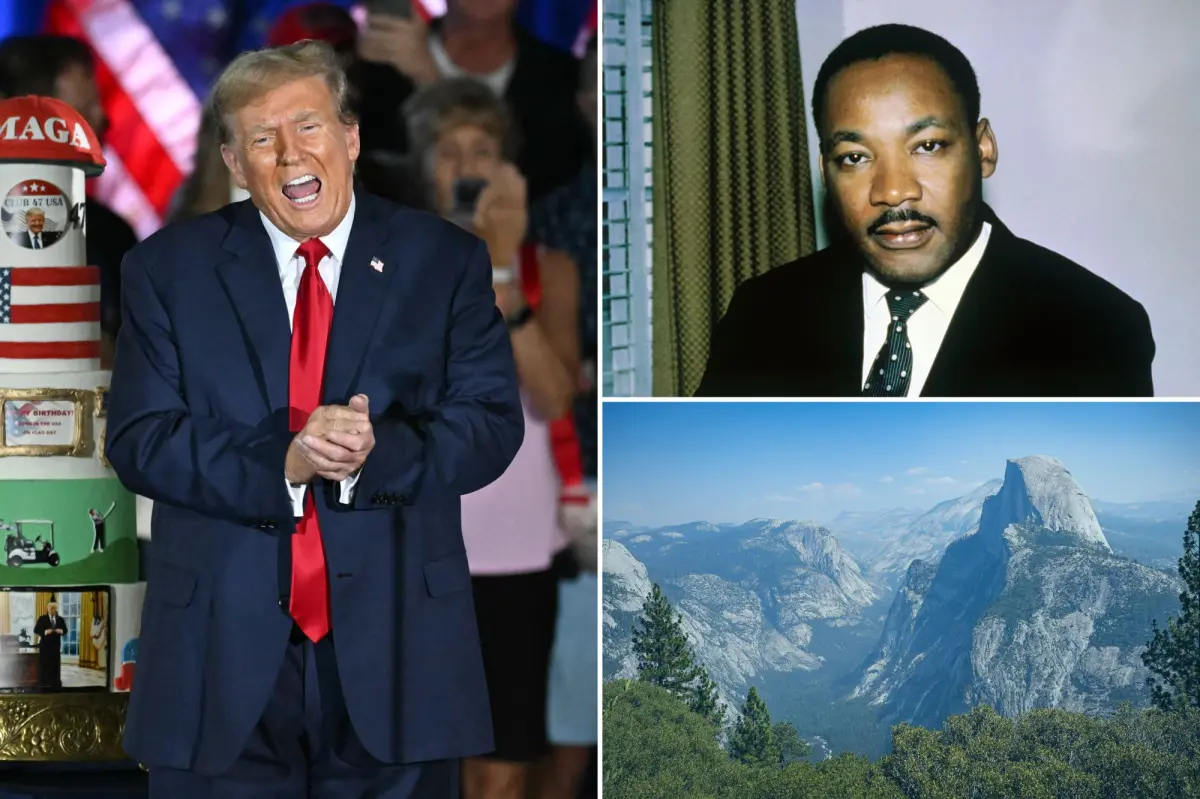
In a significant shift to the National Park Service’s fee-free calendar, the Trump administration has introduced controversial changes that reflect broader cultural and political priorities. Most notably, the administration has added President Donald Trump’s birthday (June 14, which coincides with Flag Day) to the list of days when Americans can enter national parks without paying entrance fees, while simultaneously removing Martin Luther King Jr. Day and Juneteenth. This calendar restructuring represents more than just administrative housekeeping—it signals a distinct pivot in how the administration chooses to commemorate American heritage and history through our public lands system.
The 2026 calendar marks a substantial departure from the 2025 schedule, which had emphasized civil rights observances and established public lands celebrations. The previous calendar included Martin Luther King Jr. Day, Juneteenth, National Public Lands Day, and the beginning of National Park Week as fee-free occasions—all dates that have been removed from the upcoming schedule. In their place, the administration has introduced a series of historically themed and presidential dates. Beyond the addition of Trump’s birthday, new fee-free days will include Constitution Day, the 110th anniversary of the National Park Service, and Theodore Roosevelt’s birthday, reflecting a shift toward presidential and founding-focused commemorations rather than civil rights milestones.
This reshaping of the free-entry calendar has sparked immediate criticism from civil rights advocates and Democratic lawmakers who view the changes as undermining holidays that honor Black Americans’ contributions to our national story. The removal of both MLK Day and Juneteenth—days specifically commemorating pivotal moments in African American history and the struggle for equality—has been interpreted by critics as diminishing these observances’ significance in our national conversation. Kristen Brengel, spokesperson for the National Parks Conservation Association, expressed particular concern about eliminating Martin Luther King Jr. Day, which had evolved into a popular day of service when community groups conducted volunteer projects in parks nationwide, connecting civil rights history with environmental stewardship.
The administration is also realigning several free-entry days to coincide with federal holidays that enjoy broader national recognition. Presidents’ Day, Memorial Day, and a three-day Independence Day weekend will now be fee-free occasions, potentially increasing accessibility for more Americans who already have these days off work. Veterans Day remains the only date carried over unchanged from the previous calendar, underscoring the comprehensive nature of this revision. This restructuring represents the most dramatic overhaul of the free-day calendar in recent memory, reflecting the administration’s broader approach to national commemorations and public lands management.
Democratic Senator Catherine Cortez Masto of Nevada voiced her concerns about these changes on social media, writing: “Let’s be clear here: both MLK Jr. Day and Juneteenth were free entry days last year. The President didn’t just add his own birthday to the list, he removed both of these holidays that mark Black Americans’ struggle for civil rights and freedom. Our country deserves better.” Her comments highlight the political dimensions of what might otherwise be dismissed as routine administrative adjustments to park operations. The controversy underscores how public lands policy decisions—even seemingly minor ones regarding fee structures—can become flashpoints in broader cultural debates about representation, historical memory, and national values.
While presidential administrations have historically revised these free-entry dates to align with their priorities, the specific nature of these changes has amplified existing tensions around race, representation, and historical recognition in America’s public spaces. The National Park Service, which oversees 430 units including national parks, monuments, historic sites, and recreation areas, plays a critical role in how Americans experience and understand their shared heritage. Through these fee-free days, administrations can subtly influence which aspects of American history and culture receive heightened visibility and accessibility. As this controversy unfolds, it reminds us that decisions about public lands management—from which days are designated for free entry to how historical sites are interpreted—are never neutral administrative choices but rather reflect and sometimes reinforce particular visions of American identity and values.