





Treasury Secretary Bessent’s Clash with CODEPINK Protesters: A Deeper Look
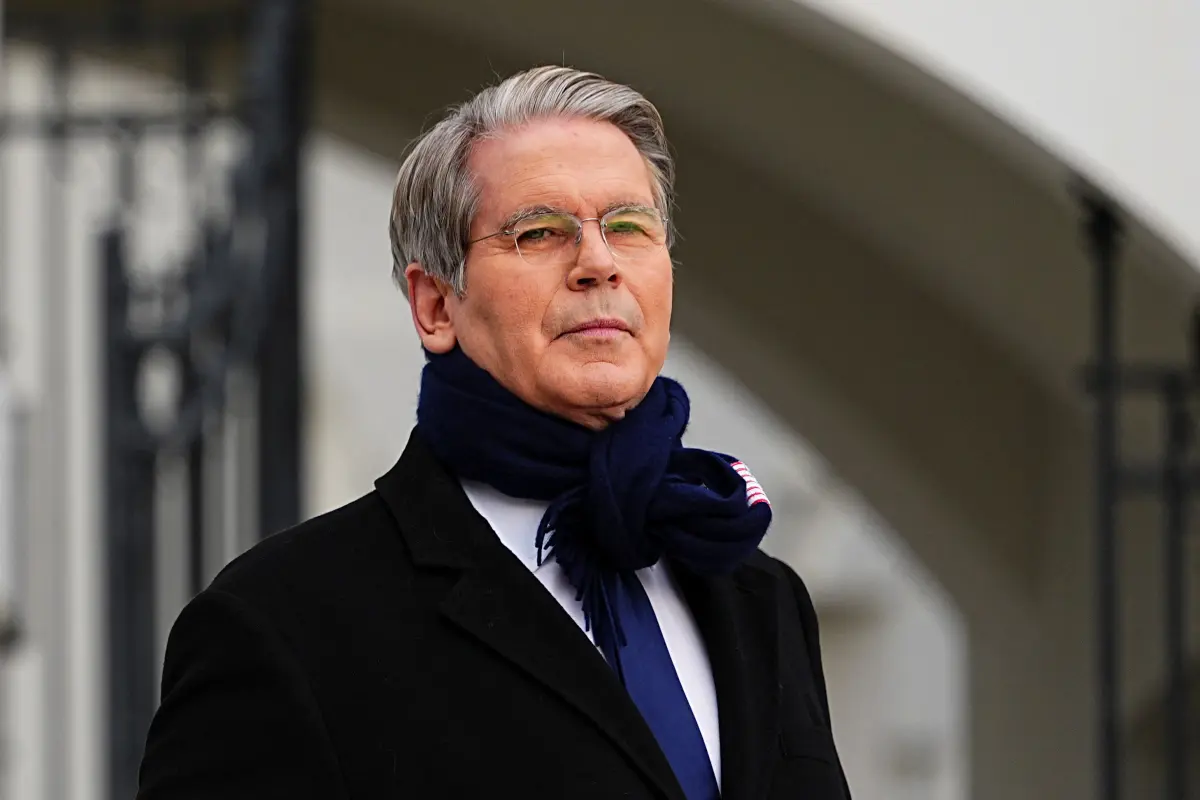
In an unexpected confrontation at a Washington D.C. restaurant in Adams Morgan, Treasury Secretary Scott Bessent found himself facing off against activists from CODEPINK, a self-described feminist grassroots organization. The incident, which occurred during what should have been a routine dinner, quickly escalated when protester Olivia DiNucci approached Bessent’s table with a provocative toast. “Let’s give it up for the man who is eating in peace as people starve across the world based on his sanctions which are economic warfare,” DiNucci announced, further claiming that Bessent bore responsibility for “the death of 600,000 people annually” through Treasury sanctions. Rather than ignoring the interruption, Bessent chose to engage, raising his wine glass in a mocking counter-toast while declaring, “You are ignorant. And you don’t know how ignorant you are.” The exchange highlights the growing tension between government officials and activist groups who seek to confront them in public spaces, transforming even casual dining experiences into political battlegrounds.
The confrontation speaks to a broader national conversation about the role and impact of U.S. sanctions policy, which Bessent oversees as Treasury Secretary. Under his leadership, the Treasury Department has implemented sanctions against various entities, including Iranian-backed Houthi rebels, leaders of drug trafficking cartels, and criminal organizations like Venezuela’s Tren de Aragua gang. These sanctions represent a significant part of America’s foreign policy toolkit, designed to exert pressure without military intervention. However, as the CODEPINK protesters’ actions demonstrate, these policies remain deeply controversial in some quarters, with critics arguing that sanctions can cause humanitarian suffering among civilian populations while failing to achieve their intended political objectives. The restaurant incident brings this typically abstract policy debate into a personal, face-to-face confrontation between a key decision-maker and those who oppose his actions.
CODEPINK’s tactics reflect a deliberate strategy of creating uncomfortable public moments for officials they view as complicit in harmful policies. Founded as an anti-war organization, CODEPINK has expanded its activism to encompass various issues, including opposition to U.S. sanctions and support for Palestine. The group has been particularly visible in anti-Israel demonstrations on Capitol Hill in recent years. Their approach of confronting officials during private moments has proven controversial, with supporters viewing it as necessary accountability and critics seeing it as harassment that crosses boundaries of civil discourse. After Bessent’s attempts to have restaurant staff intervene failed, he reportedly left the establishment “in a huff,” suggesting the protesters successfully disrupted his evening, even if they may not have changed his policy positions.
What makes this incident particularly notable is Bessent’s decision to respond directly rather than ignore the protesters. His choice of words – “You are ignorant” and his audible “Boo!” – reveals a combative approach that differs from the more measured public persona typically maintained by cabinet officials. This moment of raw frustration provides a glimpse into the personal toll that public service can take, especially in polarized times when policy disagreements frequently spill over into personal confrontations. Bessent, whose work includes targeting financial networks that support terrorism and drug trafficking, clearly takes exception to characterizations of these efforts as indiscriminate “economic warfare” with devastating humanitarian consequences, as the protesters suggested.
Beyond the immediate confrontation, this incident raises important questions about the funding and motivations behind activist organizations like CODEPINK. The article notes that the group has received some financial support from China-based billionaire Neville Roy Singham, whose wife Jodie Evans co-founded the organization. This financial connection adds another layer of complexity to the encounter, potentially suggesting geopolitical dimensions to what appeared on the surface to be a spontaneous protest about humanitarian concerns. While CODEPINK describes itself as focused on ending “U.S. warfare and imperialism” and redirecting resources toward healthcare, education, and environmental initiatives, critics might question whether the organization’s activities align with foreign interests seeking to undermine U.S. policy objectives.
The restaurant confrontation between Bessent and CODEPINK activists ultimately serves as a microcosm of larger tensions in American society and politics. It highlights the passionate disagreements about America’s role in the world, the ethics and efficacy of economic sanctions as a policy tool, and the appropriate boundaries for political protest and civic engagement. As Treasury Secretary, Bessent’s responsibilities include making difficult decisions about financial measures that can impact millions of lives around the world. The protesters clearly believe these decisions deserve public scrutiny and confrontation, while Bessent’s response suggests he views their criticism as uninformed and their tactics as inappropriate. As polarization continues to define American political discourse, such uncomfortable encounters between officials and activists seem likely to remain a feature of public life, blurring the lines between professional responsibilities and personal space for those who choose to serve in government.