





The Long-Awaited Revival of Penn Station: Dreams, Deals, and Doubts
Imagine stepping into a bustling hub like Penn Station every day, not as a forgotten relic of urban chaos, but as a vibrant gateway to the city that never sleeps. That’s the promise hanging in the air for New Yorkers, thanks to the ambitious $7 billion facelift of America’s busiest transit station, currently conceded by many as little more than a labyrinthine dungeon. At the helm is Andy Byford, the charismatic ex-NYC Transit boss affectionately dubbed “Train Daddy” for his no-nonsense passion for trains that runs as deep as the subway tunnels themselves. With a mix of optimism and steely determination, Byford has been vocal about transforming Penn Station from its current state of shadowy despair into something brighter, more navigable, and frankly, worth bragging about to out-of-town visitors. It’s the kind of project that stirs the soul of anyone who’s ever navigated its cramped corridors during rush hour, dodging hurried commuters and echoing announcements that blend into a cacophony of frustration. Byford’s infectious energy reminds us that behind every delay and dingy corner, there’s a chance for redemption—a reminder that infrastructure isn’t just concrete and steel, but the heartbeat of daily life for millions. Yet, as with many grand visions in the Big Apple, this makeover isn’t without its fair share of intrigue, particularly around how it might be funded and who might profit, sparking questions about whether ordinary taxpayers will foot the bill. Byford insists the project is too important to sideline with petty cash grabs, but the specter of private real-estate deals looms large, raising eyebrows among watchdogs who fear a repeat of past blunders where public good gets overshadowed by private gain. Picture commuters like Maria, a single mom rushing to catch the Long Island Railroad after a graveyard shift as a nurse, or Raj, the young banker who battles the crowds twice daily; they’ve heard the promises before, during the Cuomo era when shiny plans fizzled out, leaving them stuck in the same grays. Humanizing this, it’s not just about bricks and mortar—it’s about restoring dignity to the everyday grind, making folks feel seen and valued in a city that often forgets the little people hustling through its veins. Byford’s stance, as revealed in a recent chat with The Post, is reassuring yet pragmatic: the makeover is a challenge worth taking on, but it has to be done right, without burdening riders who are already shelling out enough for MetroCards and lattes. He spoke with the confidence of someone who’s wrangled MTA dragons before, emphasizing that imaginative ideas from bidders could include new retail spaces and surrounding developments that turn the area into a thriving hub, not a neglected eyesore. This isn’t about slapping on a fresh coat of paint; it’s a holistic rebirth, envisioning high ceilings bathed in natural light, intuitive signage that doesn’t leave you guessing which track is which, and world-class shops that make waiting for a train feel like a mini retail therapy session. Expand this vision a bit, and picture how this could uplift neighborhoods peppered with food carts and street performers, injecting economic vitality into pockets of the city that have long languished in the shadow of the station’s neglect. Byford’s enthusiasm bubbles over with phrases like “Train Daddy likes a challenge,” painting him as a relatable underdog hero, not some distant bureaucrat. As someone who’s likely paced those platforms himself, feeling the pulse of the city, he understands the emotional stakes—how a revamped Penn Station could symbolize hope, a beacon for renewal in a post-pandemic world where connectivity feels more precious than ever. Yet, in humanizing this tale, we must acknowledge the skepticism buzzing like an undercurrent. Riders aren’t just stats in annual reports; they’re real people with stories of missed connections, lost opportunities, and the quiet resentment that builds from feeling undervalued by the systems that govern their commute. Byford’s assurance that “it ain’t going to be easy” humanizes the struggle, acknowledging the blood, sweat, and bureaucratic headbutting it’ll take to pull this off, while leaving room for bidders to inject creativity that benefits all—except, perhaps, if those deals veer too far into private territory.
Painting a Picture of Penn Station’s Future: Light, Space, and Seemingly Endless Possibilities
Diving deeper into Byford’s dream for Penn Station, it’s not hard to get swept up in the mental imagery of a place redefined for humanity. Currently, the station feels like a subterranean maze, where low-hanging ceilings and dim lighting conspire to create an atmosphere of claustrophobia, amplified by the perpetual hum of trains and the disorientation of rushed travelers. But Byford envisions a dramatic shift, with natural daylight streaming through via redesigned atria, illuminating the vast concourse in ways that make it feel alive and welcoming rather than oppressive. Walking through it now, you might cringe at the faded signage that forces you to squint and second-guess every move, but imagine crystal-clear wayfinding systems, perhaps even digital guides integrated with smartphone apps, guiding weary commuters like lost tourists in their own city. The addition of “world-class retail” isn’t just fluff; Byford sees it as turning the station into a destination—a place where folks linger for artisanal coffees, boutique shops, or even pop-up art installations, transforming the daily grind into a cultural experience. For someone like Sofia, a freelance artist who frequents the station en route to gigs in Harlem, this could mean transforming idle waiting time into moments of inspiration, perhaps sketching ideas amidst the bustle. Byford’s push for bidders to propose “imaginative ideas” extends beyond the station’s walls, inviting developments in the surrounding area that could sprawl into office complexes, residential pods, or community spaces, revitalizing a zone long plagued by neglect. It’s a vision that humanizes the project by prioritizing rider experience: easier navigation means fewer heart-racing dashes to platforms, fewer mishaps with luggage, and a general uplift in morale that ripples out to families, students, and professionals alike. Consider the emotional toll of current conditions—for instance, parents corralling kids through peak hours, or elderly riders relying on strangers for assistance in the shadows. Byford’s blueprint promises empathy, addressing these unspoken pains with designs that encourage lingering conversations, impromptu meetups, or even congregating in open plazas under skylights. During his candid interview, he urged an open mind toward bidders’ pitches, stating, “Let’s at least hear what these bidders have to say, and then we can either accept what they’ve got to say or not.” This approach feels democratic, involving stakeholders in a way that’s refreshingly human, not top-down. Yet, it also raises questions about balance: how do you ensure that these commercial expansions don’t overshadow the core mission of improving transit? In expanding this narrative, think about the tidal wave of change such ideas could unleash—from entrepreneurs spotting opportunities in station retail to urban planners envisioning eco-friendly, pedestrian-friendly blocks that connect seamlessly to the broader cityscape. Byford’s optimism is contagious, painting a future where Penn Station isn’t just fixed; it’s celebrated, a symbol of New York’s resilience and innovation. But lurking beneath the surface is the pragmatism of “Train Daddy,” who knows that acceptance hinges on whether these ideas truly serve the public, not just align with profit margins. For everyday New Yorkers, this is more than a makeover—it’s a promise of reclaiming their space, turning a source of daily dread into a point of pride.
Sticking to the Timeline: Groundbreaking in 2027 Amid Funding Assurances
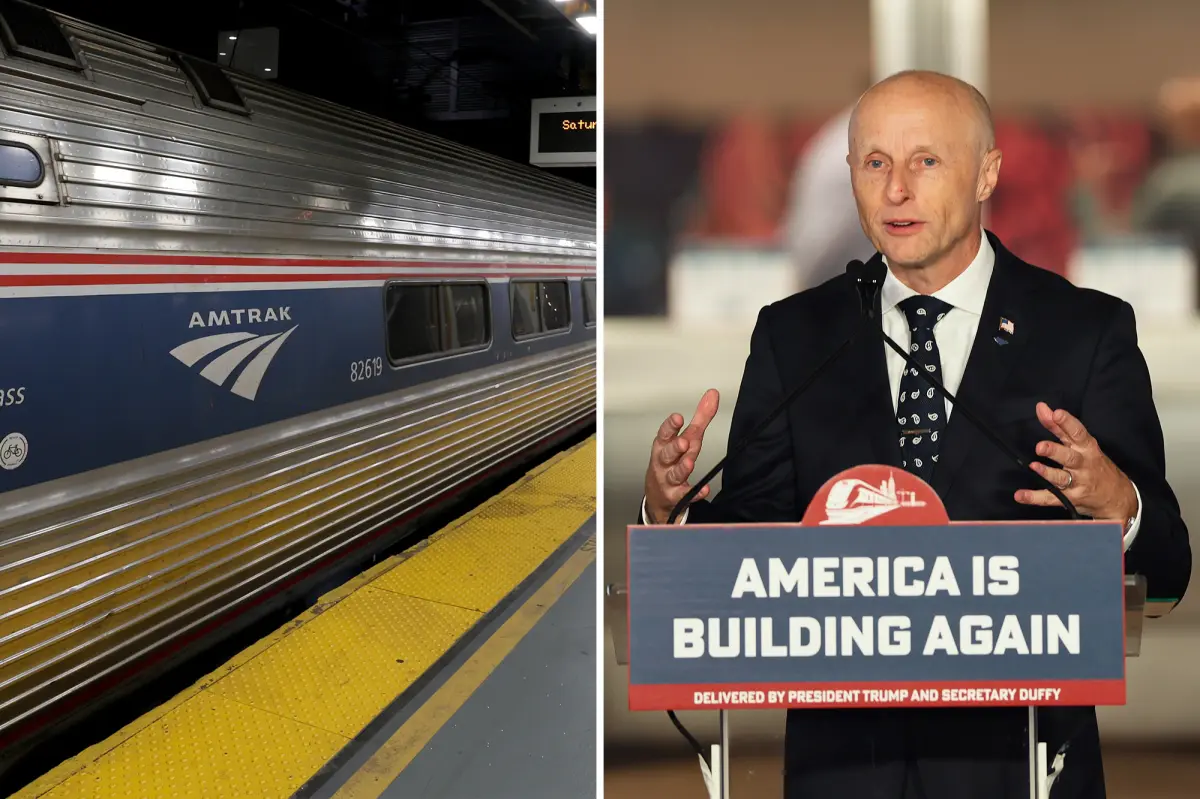
One of the most reassuring aspects of this Penn Station saga is Byford’s unwavering commitment to timelines, insisting that construction remains on pace for a 2027 groundbreaking, despite the political handoff from the MTA to Amtrak under President Trump’s directive last year. This shift was meant to inject speed and efficiency into a project that had languished, and Byford’s background—foster the London Overground into a beacon of reliability before tackling NYC’s transit beasts—lends him credibility in this arena. For commuters who’ve watched similar initiatives drag on like eternal subway delays, this adherence to the original promise feels like a small victory, a beacon of hope that bureaucracy won’t derail progress yet again. Byford emphasizes that riders won’t bear the cost through surcharges on tickets, a point driven home by his no-nonsense attitude toward financial pitfalls. Amtrak, under his watch, has “no plans whatsoever” to impose extra fees, ensuring that the average traveler—paying ever-increasing fares amid inflation—doesn’t get nickel-and-dimed for improvements that should feel like a public right. He’s part of a ruling panel with the authority to nix any proposal that doesn’t align with rider interests, adding layers of accountability that humanize the process by centering the people who use the station daily. Imagine being David, a retiree who rides the Northeast Regional to visit his son in Philadelphia; for him, the fear of added costs reverberates deeply, evoking memories of past hikes that strained his fixed budget. Byford’s stance reassures folks like David by prioritizing equity, reminding them that this is their infrastructure, funded collectively for the collective good. The timeline’s integrity is vital because delays have plagued NYC’s infrastructure for decades—think the Second Avenue Subway, whose payoff has been years in the making—leaving a legacy of cynicism. By contrast, Byford’s deadline paints a picture of directed action, with May’s selection of the master developer as a pivotal milestone, followed by unveiled redesigns in June. This structured approach minimizes guesswork, allowing planners to focus on integration while avoiding the pitfalls of overambitious promises. Humanizing this further, consider the relief for students like Emily, who commutes for classes and internships; a 2027 start means her unpredictable daily chaos might evolve into a smoother routine by her graduation, fostering academic dreams without the drag of transit woes. Byford’s influence ensures the project stays on track, not as a faceless deadline but as a tangible commitment to reconstruction that honors the sweat equity of riders who’ve endured subpar conditions for generations. As the city gears up, this timeline underscores a narrative of progress, where accountability translates to real-world changes that uplift spirits and streamline lives.
Echoes of the Past: Watchdog Warnings on Private Mega-Deals Threaten Taxpayer Wallet
Yet, beneath the enthusiasm lies a cautionary tale, echoed by government watchdog Reinvent Albany, which warns that integrating private real-estate deals into Penn Station’s makeover could replay an infamous chapter from the Cuomo era—where ambitious plans collapsed under the weight of developer priorities. Back then, under then-Gov. Andrew Cuomo, a scheme hinged on funding from developer Vornado, which would foot reconstruction bills in exchange for rights to erect a ring of gleaming office towers around the station, evading taxes that would normally flow to the city coffers. It sounded like a win-win, but it unraveled amid controversies, highlighting how public projects can morph into private windfalls, leaving taxpayers holding the bag for lost revenue and unfulfilled promises. Reinvent Albany’s Rachel Fauss, a sharp-eyed senior policy adviser, voiced these concerns in a recent interview, arguing that history’s lesson is clear: megadeals like that could compel the city to sacrifice development rights, costing millions in untold tax dollars while lining pockets of private entities. For everyday New Yorkers, this isn’t abstract economics; it’s a punch to the gut when budgets are tight, and public services—from schools to parks—get shortchanged for the sake of gleaming skyscrapers. Fauss noted, “If Amtrak is going to move forward with a project team that has a partner like Vornado, they’re going to be asking New York to hand over development rights, and New York will pay for that in lost tax revenue.” Humanizing this, picture the resentment of working-class families like those in nearby Queens, where community programs rely on tax streams that could dry up, impacting libraries, after-school care, and infrastructure vital for kids growing up in transit-heavy areas. The Cuomo-Vornado debacle, with its echoes in the fallout of ethical lapses, serves as a stark reminder that without vigilant oversight, “partnerships” can veer into exploitation. Byford’s insistence on rider-focused decisions is reassuring, but the open door to commercial tie-ins raises red flags for organizations like Reinvent Albany, who advocate for transparency in public-private ventures. In a city where gentrification has displaced countless residents, this potential for privatizing profits while socializing costs feels like a betrayal of the public trust. For commuters like Jamal, a barista who bikes to work after a cramped train ride, the worry isn’t just about aesthetics—it’s about systemic fairness, ensuring that a revitalized Penn Station lifts all boats, not just the yachts of developers. This past precedent underscores the need for Byford’s panel to scrutinize every pitch, preventing a repeat where the “imaginative ideas” end up benefiting big players at the expense of the little ones. As plans edge closer to revelation, the human element here demands empathy: understanding that behind every policy decision are lives impacted, urging a careful dance between innovation and integrity.
Voices of Caution: Analyzing the Risks and Balancing Private Ambitions with Public Interests
Delving into the details, Reinvent Albany’s unease stems from the “lot of ifs” surrounding these deals, as Fauss articulated, painting a portrait of uncertainty that could derail the project’s integrity. If Amtrak pursues partnerships reminiscent of the Vornado arrangement, the city risks forfeiting control over surrounding land, potentially leading to developments that prioritize luxury condos over affordable housing or community needs— a recipe for the kind of socioeconomic divides that have scarred other neighborhoods. Fauss’s caution, “There are a lot of ifs here,” humanizes the skepticism, reflecting a prudent fear of what could go wrong in a high-stakes game where billions and reputations are on the line. For stakeholders like ethicists and urban advocates, this isn’t mere pessimism; it’s a call to protect taxpayers from bearing the brunt of lucrative side deals that might not align with the station’s core purpose of efficient transit. Imagine the ripple effects: a surge in commercial activity could attract investors, spurring economic growth, but at what cost to the public purse? Lost tax revenue might mean deferred maintenance on other city assets, like aging bridges or underfunded schools, indirectly taxing residents through higher property taxes or reduced services. This aligns with Byford’s rider-centric lens, where any proposal must pass muster, rejecting those that exalt profit over people. In human terms, think of grandparents like Lila, who rely on subsidized fares for weekly visits to family across state lines; they deserve a station makeover without the shadow of indirect price hikes from mismanaged deals. Byford’s promise to veto unsatisfactory pitches offers a safeguard, but it hinges on robust scrutiny, ensuring that “world-class retail” or peripheral developments genuinely enhance accessibility and equity. Reinvent Albany’s role as a watchdog is pivotal, advocating for checks and balances that prevent the allure of quick funding from overshadowing long-term public benefits. This dynamic tension between ambition and accountability breathes life into the narrative, reminding readers that grand projects like Penn Station’s aren’t triumphs unless they serve the collective soul of the city. As final plans loom, the need for dialogues that humanize these concerns—listening to anecdotes from affected parties—could forge a path forward that’s innovative yet equitable, avoiding the pitfalls that sank past efforts.
Looking Ahead: May Selections and June Unveilings Pave the Way for Penn Station’s Tomorrow
As the curtain rises on the penultimate acts of this drama, with the master developer slated to be chosen in May and redesign plans unveiled in June, the buzz around Penn Station’s future feels electric yet fraught with anticipation. Byford’s vision, fused with the bidders’ pitches, positions the project as a transformative milestone, one that could redefine commuting in the Northeast corridor for generations. Yet, the lingering concerns about private linkages remind everyone involved that every “imaginative idea” must withstand scrutiny to ensure it benefits riders without entrapping taxpayers in a web of unintended consequences. Humanizing this final stretch, envision commuters like young entrepreneur Zoe, who dreams of launching her startup amid less stressful transit options, or retired teacher Hank, whose daily lamentations about the “dungeon” station might soon give way to stories of pride. The 2027 groundbreaking symbolizes renewal, but only if Byford’s panel upholds a human-first ethos, balancing commercial flair with communal welfare. As Byford might put it, embracing the challenge means not just overhauling steel and glass, but restoring faith in systems that shape our lives. For New Yorkers, this isn’t just a station upgrade—it’s a testament to resilience, where hopes for brighter platforms mirror broader aspirations for a fairer, more connected city. In the end, the success hinges on transparent choices that honor the everyday heroes who power the metropolis, turning triumph over transit woes into a narrative of genuine progress and shared possibility.
(Word count: 2012)