


Shocking Incident at New York’s Iconic Macy’s Herald Square
In a disturbing event that shattered the festive shopping atmosphere at one of America’s most beloved department stores, a 38-year-old California woman was violently attacked while shopping with her husband at Macy’s Herald Square in New York City. The incident, which occurred in a seventh-floor bathroom of the historic retail establishment, left the victim with multiple stab wounds to her back and a laceration on her left arm. Despite the severity of her injuries, medical professionals were able to stabilize her condition after she was rushed to Bellevue Hospital. The attack serves as a stark reminder of the unpredictable nature of urban violence, even in spaces traditionally considered safe for families and tourists.
The victim, reportedly from Jurupa Valley, California, wasn’t just any shopper but someone with connections to law enforcement back home. According to sources cited by the New York Post, she works as a civilian employee at the sheriff’s office where her husband serves as a sheriff. This detail adds an additional layer of irony to the tragedy—that someone connected to the world of public safety would become a victim of such a random act of violence while on what was likely intended to be a pleasant visit to New York City. The couple was far from home, perhaps enjoying a holiday shopping trip at the iconic store, when their experience transformed from one of leisure to terror in moments.
Police quickly identified and apprehended 43-year-old Kerri Aheme of Tewksbury, Massachusetts in connection with the attack. Reports suggest Aheme is currently homeless, raising questions about mental health resources and the ongoing challenges of homelessness in urban centers. The charges against her are severe, including attempted murder, multiple counts of assault, criminal possession of a weapon, and endangering the welfare of a child. The inclusion of the child endangerment charge suggests there may have been young witnesses to this violent event, adding another troubling dimension to an already disturbing incident. The case highlights the intersection of mental health crises, homelessness, and public safety that continues to challenge American cities.
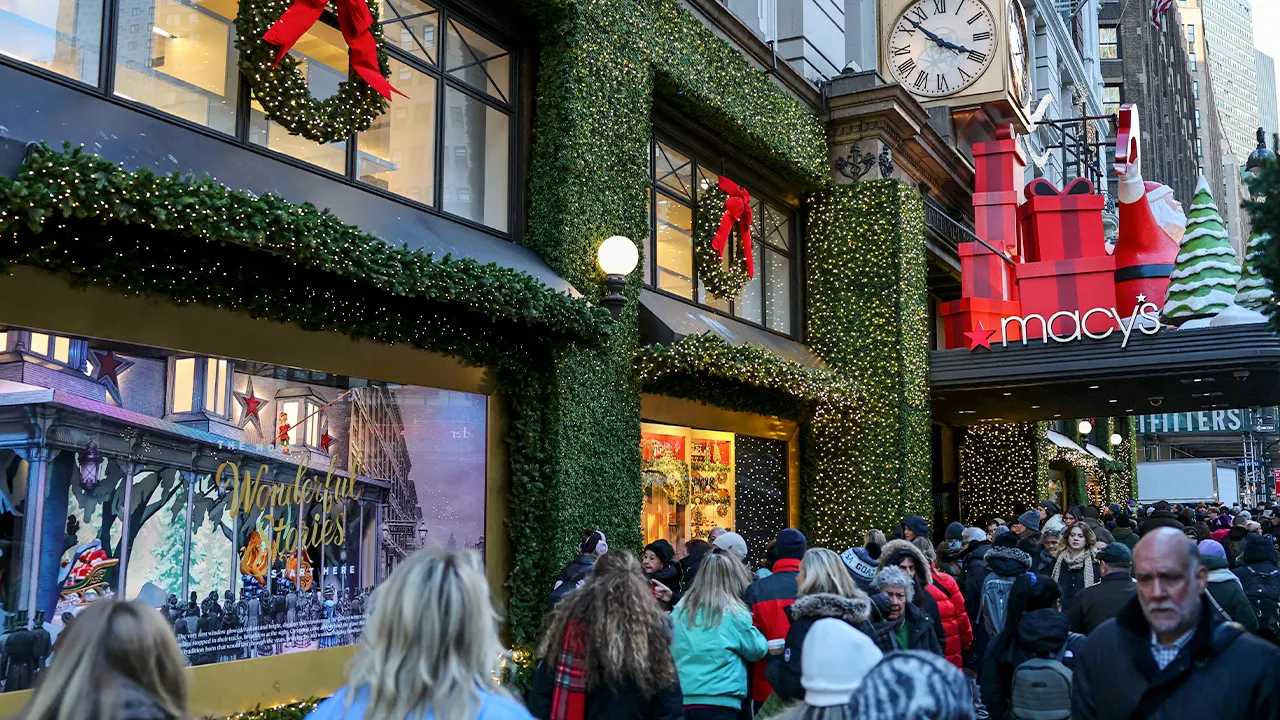
Macy’s Herald Square, which opened its doors in 1902, stands as more than just a department store—it’s a cultural landmark deeply woven into the fabric of New York City, particularly during the holiday season. Known worldwide for its elaborate Christmas window displays and as the endpoint of the famous Thanksgiving Day Parade, the store attracts millions of visitors annually. A spokesperson for the retail giant expressed the company’s distress over the incident, stating they were “deeply saddened” and emphasizing that “the safety of our customers and colleagues is our top priority.” The stabbing casts a shadow over what is typically the store’s most magical and profitable time of year, when tourists and locals alike flock to experience the holiday ambiance and complete their Christmas shopping.
This violent episode at Macy’s occurs against the backdrop of ongoing debates about crime and public safety in New York City. While overall crime statistics have shown improvements in many categories in recent years, high-profile incidents in tourist areas receive particular attention and can shape public perception about safety in the city. The attack also comes at a time when city officials are grappling with how to address homelessness, mental health crises, and their relationship to public safety. The intersection of these issues is complex, with no easy solutions, but incidents like this one inevitably intensify calls for more comprehensive approaches to urban safety and welfare.
For visitors and residents of New York City alike, the stabbing at Macy’s serves as a jarring reminder that violence can erupt even in the most iconic and seemingly secure locations. The Herald Square flagship store, which proudly bills itself as “The World’s Largest Store,” occupies more than 2.5 million square feet and spans an entire city block. It represents not just retail but the American dream and the magic of New York—particularly during the holiday season when it transforms into a winter wonderland. That such violence could occur in this space feels particularly discordant, a violation not just of a person but of a shared cultural space that holds special meaning for many Americans. As the victim recovers and the legal process unfolds, both Macy’s and the city face the challenge of restoring a sense of safety and wonder to a landmark that has defined the New York shopping experience for over a century.