

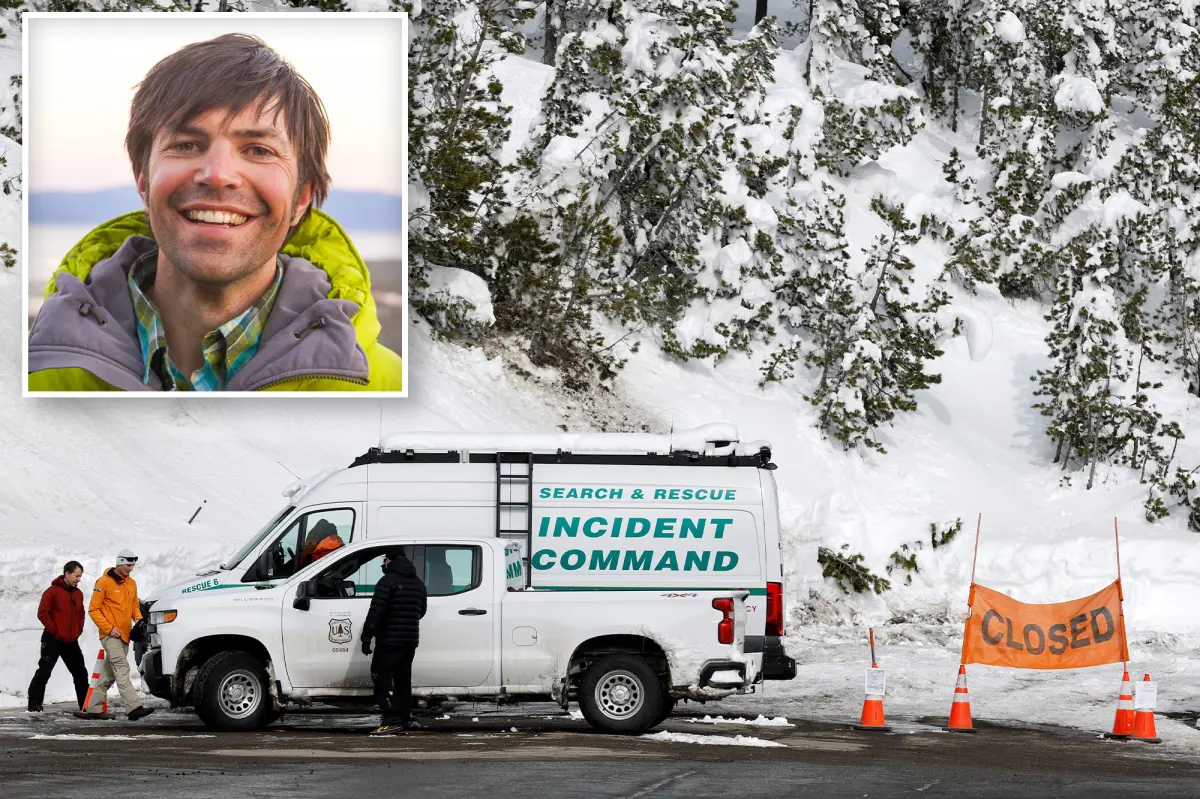
In the heart of California’s majestic Sierra Nevada, where crisp mountain air meets the thrill of untouched snow, a tragic avalanche struck Castle Peak near Lake Tahoe, claiming nine lives in what will forever be remembered as the region’s deadliest snowslide. It was a Tuesday in February, a day that began like any other in the backcountry skiing world—full of anticipation, camaraderie, and the raw beauty of nature’s power. But as the snow gave way, it unleashed a cascade of horror, burying skiers who had ventured out seeking adventure. Among the group was a contingent from Blackbird Mountain Guides, a company renowned for its expert-led expeditions into the wild, helmed by seasoned mountaineer Zeb Blais. The survivors, numbering six, emerged from the chaos battered and grief-stricken, bearing witness to a loss that would ripple through families, friends, and the entire mountain community. This incident, occurring amid forecasted “BIG storm” warnings, has sparked questions about decisions made in the face of nature’s unpredictability, forcing us to confront how even the most prepared can fall victim to the mountains’ ruthless whims. As the sun set on that fateful day, the weight of what transpired began to settle, not just in the physical debris but in the collective hearts of those touched by the disaster.
When the first signs of danger appeared—rumbling snow, shifting slopes—the guides and their clients likely felt a mix of excitement and trepidation, a dance all too familiar in the high-risk world of backcountry skiing. Zeb Blais, a two-time Everest summiteer with a resume peppered with ascents of peaks like Cho Oyu, Lobuche, Aconcagua, Denali, Mont Blanc, and the Matterhorn, had built Blackbird Mountain Guides on a foundation of passion and expertise. Founded in 2020, the company emphasized guiding clients toward their personal mountain dreams, blending professional skill with the shared love of the outdoors. In this trip, three of his core guides—Andrew Alissandratos, Niki Choo, and Mike Henry—accompanied the group, their presence a testament to the trust in their collective experience. They were more than colleagues; they were friends, family even, shaped by countless journeys where the bond of the slopes united them. The guests, too, were part of this intimate circle, individuals deeply intertwined with the mountain lifestyle, drawn by its allure despite the inherent perils. Humanizing this, imagine the pre-trip huddles, the shared laughs around a campfire, the stories exchanged about past runs and future goals. They weren’t just numbers in a tragic toll; they were vibrant souls—partners, adventurers, community pillars—a reminder that every life lost carries stories of love, ambition, and the unyielding pull of the wild that defined them.
Blackbird Mountain Guides released their statement late Saturday, a poignant outpouring of sorrow as the last remains were recovered from the mountain’s unforgiving embrace. The sheriff’s confirmation of the bodies’ removal only deepened the anguish, transforming a formal announcement into a deeply personal lament. “We continue to grieve the devastating loss of life from the February 17 avalanche near Castle Peak,” the company’s spokesman declared, echoing Zeb Blais’s own words describing it as “the saddest event our team has ever experienced.” In this statement, the company honored each individual, holding them and their loved ones close in hearts heavy with empathy. Andrew Alissandratos, Niki Choo, and Mike Henry were not merely guides; they were skilled professionals whose passion for the mountains infused everything—from safety protocols to the joy of untouched powder. They had poured their lives into teaching avalanche awareness, blasting techniques, and the delicate art of risk assessment, yet here they were, part of the tragedy. The statement extended solidarity to the guests who perished, acknowledging their shared adoration for the outdoors and their place in the “close-knit mountain community.” It’s a beautiful testament to humanizing grief, painting a picture of these nine as cherished figures—friends laughing over shared meals, partners planning future hikes, family members whose absence now leaves an aching void—inviting us to feel the warmth of their connections amid the cold grip of loss.
Zeb Blais, the guiding force behind Blackbird, stands as a figure of resilience and introspection in this unfolding story. A licensed avalanche blaster and safety instructor, his personal history adds layers of poignancy to the ordeal. He himself has stared death in the face during an avalanche in Tajikistan, an experience he recounted in a 2021 podcast as a “huge shift” in how he viewed mountain risks. This episode reshaped him, instilling a profound respect for the mountains’ moods, yet it couldn’t prevent this calamity. Blais’s accolades—everesting on the world’s roof, standing atop some of the planet’s most storied summits—speak to a life dedicated to pushing boundaries while mitigating dangers. He envisioned Blackbird as a bridge between novices and experts, helping clients achieve towering goals like their own ascents of lesser peaks. In the wake of this avalanche, one can imagine Blais grappling with the “what-ifs,” replaying decisions in his mind: the weather reports, the terrain analyses, the team’s final consultations before venturing out. His grief is not just professional; it’s deeply human, a reflection of a man who has lived among avalanches yet lost comrades to one. This personalizes the tragedy, showing Blais not as an icon but as a fellow traveler on the perilous path of human endeavor, now carrying the burden of this enormous tragedy as he attempts to heal and honor those gone.
Authorities in California, including law enforcement, are probing the incident with thorough scrutiny, examining whether negligence played a role in the guides’ decision to proceed despite ominous forecasts. Reports of a looming “BIG storm” had been circulating, raising questions about risk tolerance in an industry where adventure often teeters on danger. The investigation delves into Blackbird’s practices—pre-trip planning, route selections, safety briefings, and how teams balance client aspirations with environmental realities. This isn’t just bureaucratic; it’s a quest for accountability, aimed at preventing future horrors while respecting the mountain’s sovereignty. For the families and survivors, it’s a tortuous wait, filled with flashbacks and uncertainties. Humanizing this, picture the investigators sifting through avalanche sensors, interviewing shaken survivors, and consulting experts on snow stability. They’re not cold drones; they’re empathetic figures, perhaps former climbers themselves, understanding the allure that blinds even the wise. The process seeks to humanize the victims further, uncovering their hopes, fears, and the mentorship they received, ensuring their legacies inform better practices. Meanwhile, the community rallies, offering support through vigils and shared tears, turning this probe into a collective reckoning with the thin line between bravery and folly in the face of nature’s fury.
As the snow melts and seasons turn, the echoes of Castle Peak linger, a stark reminder of vulnerability wrapped in beauty. Blackbird Mountain Guides, forever altered, has vowed to learn and evolve, their website a monument to both triumph and tragedy. The company’s focus on achieving personal goals now carries added weight, emphasizing safety as inextricably linked to fulfillment. Families mourn not just the lost but the unfulfilled dreams—future ski trips, summits conquered, sunsets shared atop ridges. In this humanized narrative, the avalanche transcends statistics, becoming a tapestry of interconnected lives: a guide’s smile encouraging a client, a partner’s gentle warning ignored in the thrill of the moment. Zeb Blais and his team continue to hold hearts out, encouraging the community to honor these souls through caution, education, and remembrance. Social media buzzes with tributes, newsletters urge reflection, and apps like California’s Post disseminate updates, weaving everyone into this story of grief and growth. Ultimately, it’s a call to embrace the mountains with open eyes, respecting their power while cherishing the human spirit’s drive, ensuring that such tragedies, while unavoidable in extremes, serve to foster a safer tomorrow for all who venture into the wild’s embrace. In the face of this heartbreak, we find unity, empathy, and the enduring hope that from sorrow, wiser paths may emerge.