





Immigration Rally in Minneapolis: Calls for ICE Removal Amidst Frigid Temperatures
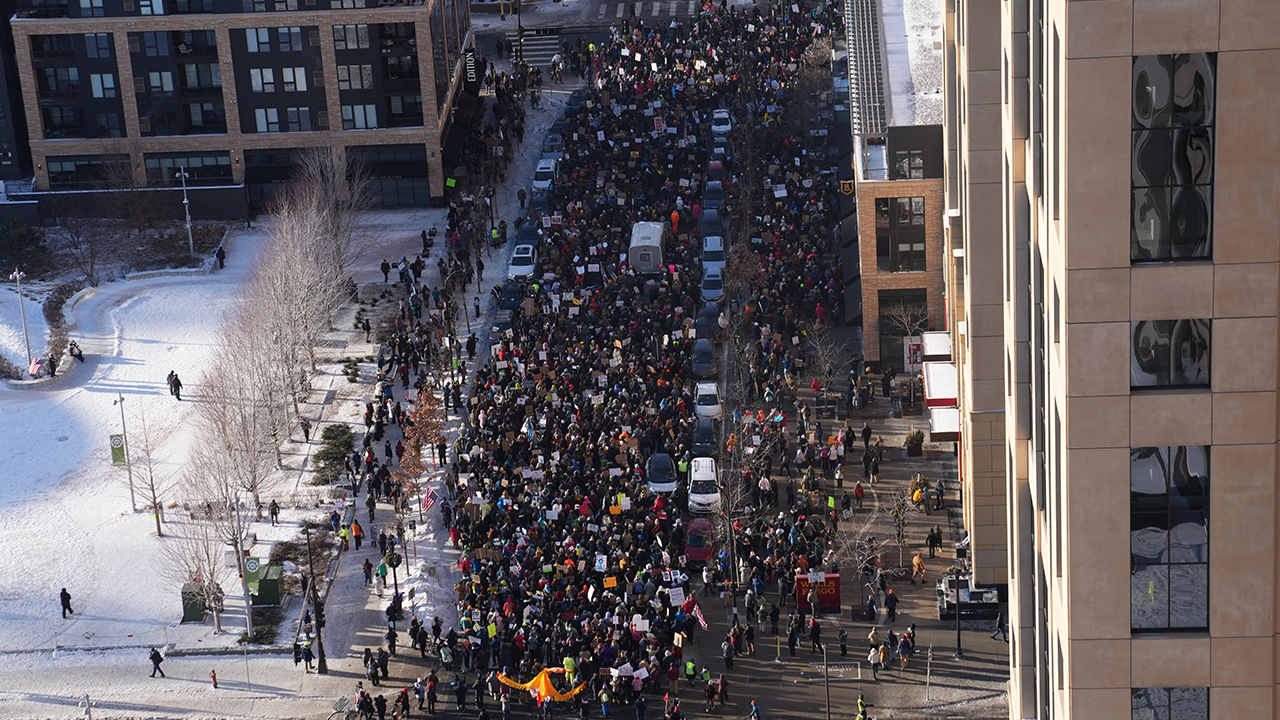
In the heart of downtown Minneapolis, thousands gathered on Friday despite temperatures plunging to 20 degrees below zero, marching from The Commons to the Target Center in a demonstration called “ICE Out of MN: Day of Truth and Freedom.” The protest represented a significant moment for the city’s immigrant advocacy movement, coming weeks after the controversial fatal shooting of Renee Nicole Good by an Immigration and Customs Enforcement agent on January 7. This incident has intensified existing tensions between federal immigration enforcement and Minneapolis communities, transforming a local tragedy into a rallying cry for systemic change.
Bundled against the bitter cold, protesters created a vivid tapestry of resistance with colorful signs bearing messages like “Silence is more dangerous than frostbite” and “Justice for Renee Good.” The atmosphere combined solemnity with determination as chants of “Stand up, fight back” and “What do we want? ICE out! When do we want it? Now!” echoed through downtown streets. Local residents watched from skywalks, many waving in support as the procession made its way toward the arena. The demonstration brought together a diverse coalition of participants—families with children, community organizers, clergy members, and everyday citizens who had responded to organizers’ call for “no work, no school, and no shopping” that day.
Upon reaching the Target Center, protesters filed through security checkpoints equipped with metal detectors, a reminder of the tensions surrounding immigration enforcement issues. Inside the relative warmth of the arena, the energy transformed but remained focused on the central demand: the removal of ICE operations from Minnesota. While video footage showed some participants coordinating “waves” with their signs and settling into stadium seats—grateful for shelter from the extreme cold—the demonstration maintained its message of unified resistance. The indoor rally featured speakers sharing personal stories affected by immigration enforcement and outlining community demands for change in federal policies that many view as harmful to immigrant communities.
Minneapolis City Council member Elizabeth Shaffer, representing Ward 7, took to social media to praise the demonstration’s peaceful nature and substantial turnout. “Thousands showed up today to peacefully march in downtown Minneapolis and rally at the Target Center to demand: ICE out of Minnesota now!” she wrote on X (formerly Twitter). Her post included a photograph from inside the arena showing a Jumbotron emblazoned with “ICE OUT OF MINNESOTA,” though some observers noted that portions of the venue appeared to have empty seats. This detail became a minor point of contention as supporters and critics debated the event’s significance and reach.
The Minneapolis protest occurs against a backdrop of national tension regarding immigration enforcement. Recently, an appeals court handed the Trump administration what some characterized as a victory in a case concerning Minnesota’s restrictions on ICE operations. Meanwhile, Senator J.D. Vance has publicly called for Minneapolis to “stop fighting” ICE as the White House continues to emphasize immigration enforcement. These national political dynamics have created additional pressure on local communities caught between federal immigration policies and their own values regarding community safety and immigrant rights.
What began as a local response to Renee Nicole Good’s death has evolved into a broader statement about immigration enforcement in America. The demonstration in Minneapolis, despite the challenging weather conditions, reflects growing concerns about how federal immigration policies affect local communities. As participants dispersed from the Target Center into the frigid Minnesota evening, the question remained whether this showing of community solidarity would translate into policy changes at either the local or federal level. For now, the image of thousands marching through sub-zero temperatures stands as testimony to the depth of feeling surrounding immigration enforcement in Minneapolis and beyond—a community willing to brave extreme conditions to voice their demands for change.