





College Campus Tensions: Conservative Students Face Challenges
In recent weeks, tensions have been brewing on college campuses across America as conservative students find themselves at odds with university policies, faculty members, and fellow students. From grade disputes rooted in religious expression to denied club charters, these incidents highlight the growing cultural divides in higher education. While universities have traditionally been spaces for diverse perspectives and open dialogue, some conservative students feel their viewpoints are being marginalized or actively suppressed in academic environments.
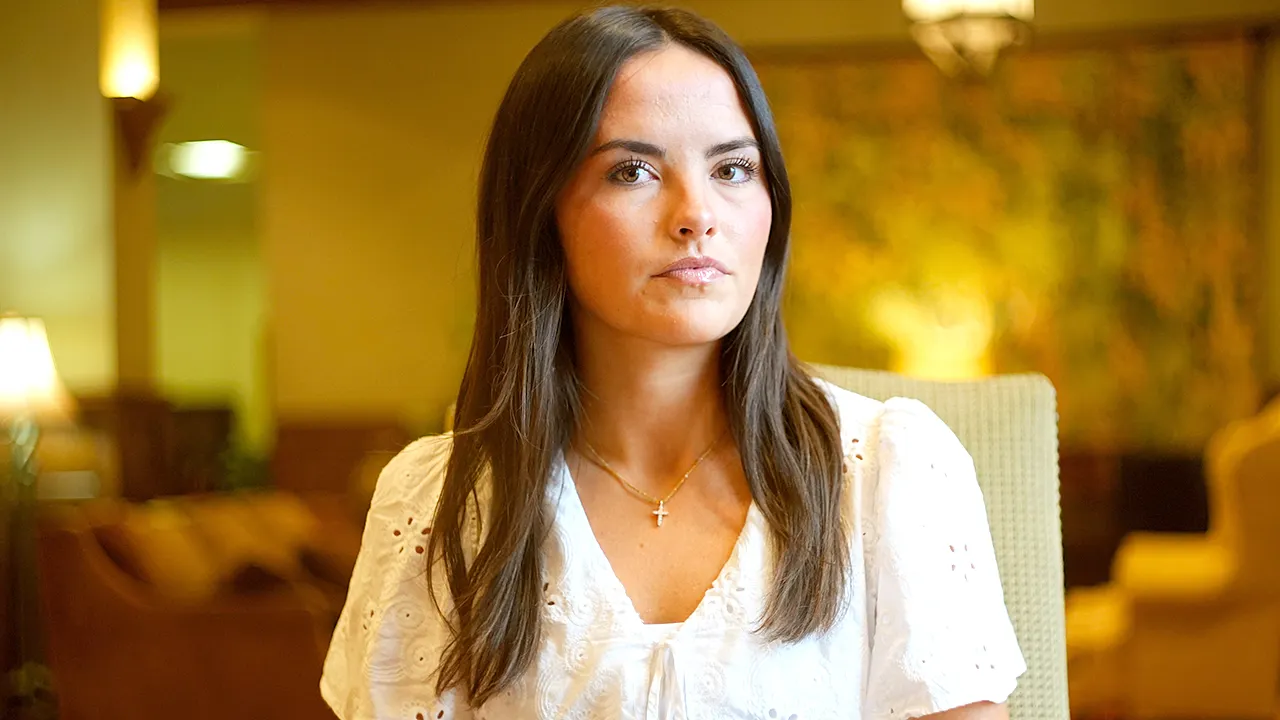
At the University of Oklahoma, pre-med junior Samantha Fulnecky found herself at the center of controversy after receiving a zero on an essay assignment where she expressed her Christian beliefs about gender roles. The assignment asked students to respond to a scholarly paper about gender norms, and Fulnecky wrote that gender differences are divinely created rather than socially constructed. “Women naturally want to do womanly things because God created us with those womanly desires in our hearts,” she wrote, adding that God created men “in the image of His courage and strength” and women “in the image of His beauty.” Her graduate assistant instructor, William “Mel” Curth, who uses she/they pronouns, deemed the paper “offensive” and claimed it failed to use empirical evidence in what was supposed to be a scientific analysis. Fulnecky believes she was “being punished for what I believe,” as she had clearly stated her biblical perspective on gender roles. The university has since restored her grade and placed Curth on administrative leave while investigating the incident, suggesting the possibility that academic freedom may extend to religious viewpoints as well.
Religious tensions have also surfaced at a high school outside Philadelphia, where Jewish students reported feeling threatened after a Muslim Students Association booth at a cultural fair distributed keffiyehs featuring anti-Israel slogans such as “Jerusalem is ours.” One Jewish student was left “shaken and unsure of whether it’s even safe to speak up as a Jew at school,” according to parent Lynn Simon. The incident raises questions about the boundaries between cultural expression and political messaging in educational settings, particularly when school administrators were present and initially posted photos from the event (which were later deleted). Simon criticized school leadership, saying, “When the principal is posting pictures of students wearing slogans like ‘Jerusalem is ours,’ and the superintendent is encouraging illegal minor-led games of chance, while visiting and taking photos with politically charged booths dressing students up in keffiyehs, that’s not education—it’s indoctrination.” This incident illustrates how global conflicts can create ripples of tension even in American high schools.
Even at Christian universities, conservative student groups are finding unexpected obstacles. At Vanguard University in Costa Mesa, California, student Linda-Isabella Rendon was initially blocked from starting a Students for Life chapter despite the university’s Christian identity. The administration cited a policy against organizations with ties to national political groups, forcing Rendon to create an alternative pro-life club called “Vanguard Lions Love Life” without official affiliation to Students for Life. The situation highlights the complex balance that even religious institutions attempt to maintain between upholding their faith-based values and avoiding explicit political alignments that might divide their campus communities. Similarly, at Loyola University of New Orleans, students attempting to establish a Turning Point USA chapter have been twice denied by the student government association, despite a university court finding flaws in the initial rejection. Law student Ethan Estis characterized the repeated denial as “pure politics,” questioning whether student government representatives should have the power to approve or deny student organizations that may represent opposing viewpoints.
The climate for conservative student activists has sometimes included concerning threats. At the University of Southern Maine, members of a newly formed Students for Life chapter received an anonymous message warning them to “be careful” and referencing what “happened to” conservative activist Charlie Kirk (who has faced numerous threats and protests). Despite this intimidation, chapter member Jadyn Carrigan remains committed to respectful dialogue: “We’re not here with any malicious intent. We’re not here really even to argue. We’re here to have respectful dialogue, and that’s the whole beauty of democracy is hearing both sides of the spectrum.” Her response demonstrates how some conservative students are trying to navigate hostile environments while still engaging in civil discourse. Carrigan added, “I think myself, as well as my other club members, are doing the best we can to not fight hate with hate, but show everyone the respect that they deserve, regardless of their opinion.”
These incidents collectively point to broader questions about intellectual diversity and viewpoint tolerance in American education. While universities and schools frequently emphasize the importance of diversity and inclusion, some conservative students feel these principles aren’t consistently applied to protect religious, traditional, or right-leaning perspectives. The tension between creating safe, welcoming environments for all students while also allowing for the free exchange of diverse viewpoints—including conservative ones—remains unresolved on many campuses. For educational institutions, the challenge is finding a balance that protects students from genuine harassment while still allowing for meaningful engagement with different worldviews and philosophical positions. As these cases demonstrate, achieving that balance often involves complex negotiations between competing values and interests, with outcomes that sometimes leave students on all sides feeling that justice has not been fully served. The ongoing struggles of conservative students to find their voice on modern campuses may ultimately test whether American higher education can truly accommodate the full spectrum of political and religious belief.