




New York City’s Bus System Faces Changes as Mamdani’s Free Transit Vision Confronts Reality
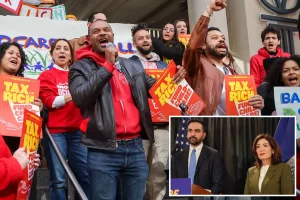
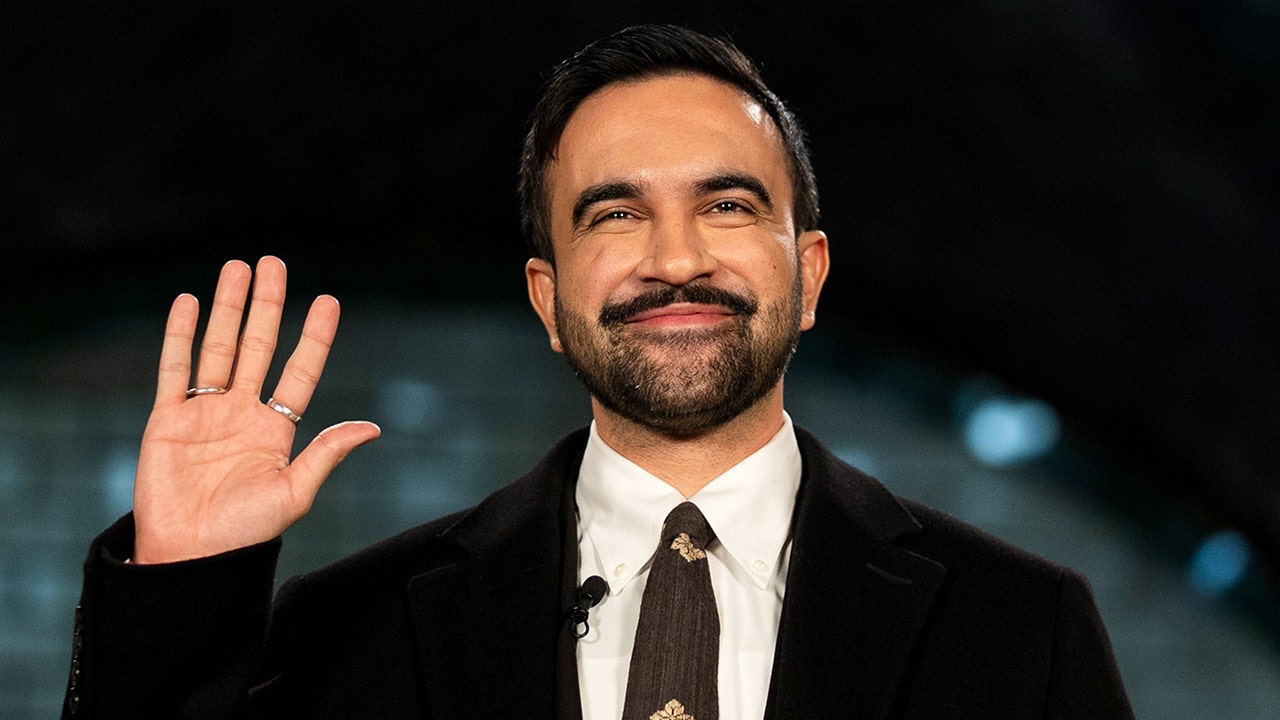
In the vibrant metropolis of New York City, newly inaugurated Mayor Zohran Mamdani’s campaign promise of “fast and free” buses has hit a significant roadblock. The democratic socialist mayor, who captured the imagination of voters with his progressive vision for public transportation, now faces the complex reality of implementing such ambitious policies in America’s largest city.
The fundamental challenge lies in a crucial detail of New York’s governance structure: the Metropolitan Transportation Authority (MTA), not City Hall, controls the bus system. This division of power means that despite the mayor’s ideological commitment to fare-free transit, the MTA operates with its own budget constraints and decision-making authority. Rather than moving toward Mamdani’s vision of free transportation, New Yorkers are instead facing fare increases. Starting January 4, the base fare for subways, local buses, and Access-A-Ride services will increase by 10 cents, from $2.90 to $3.00. The reduced fare will also see a modest increase, rising from $1.45 to $1.50. These changes, while relatively small, represent movement in the opposite direction of the mayor’s stated goals and highlight the gap between campaign promises and governance realities.
Beyond fare increases, New York’s transit system is undergoing technological modernization that will permanently alter how residents pay for their rides. As of January 1, 2026, the iconic MetroCard—a staple in New Yorkers’ wallets for decades—will begin its phase-out. Riders will no longer be able to purchase or refill MetroCards after this date, signaling the end of an era in the city’s transportation history. This transition is part of a broader shift toward the OMNY (One Metro New York) system, the MTA’s contactless payment platform. At some point in 2026, the familiar MetroCard will cease to function entirely, and the tradition of paying bus fares with coins will also come to an end, representing a significant cultural shift in how New Yorkers interact with their transit system.
The MTA has outlined options for riders during this transition period. Those still holding valid MetroCards when the system is phased out will be able to transfer remaining value to an OMNY Card at Customer Service Centers. Alternatively, cardholders can simply use up their remaining balance before their cards expire. While cash payments on buses will eventually be eliminated, the authority has emphasized that riders will still have access to cash payment options—they’ll just need to add value to OMNY Cards at vending machines in subway stations or at over 2,700 retail locations throughout the city. These measures aim to ease the transition for the millions of diverse riders who depend on the city’s extensive transit network daily.
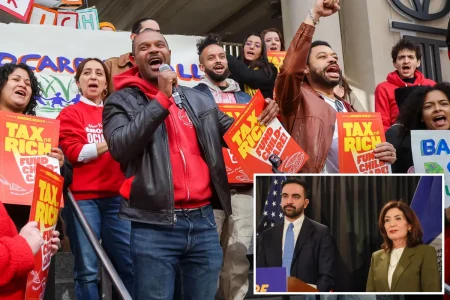
This situation illustrates the complex dance between progressive ideals and practical governance that Mayor Mamdani must navigate. His democratic socialist platform resonated with many voters who envision a more equitable city, particularly regarding essential services like transportation. Free public transit represents not just a convenience but a philosophical approach to urban living—one that treats mobility as a right rather than a commodity. Yet the reality of New York’s governance structure, with its overlapping authorities and complex funding mechanisms, creates substantial hurdles for even the most popular policy proposals. The mayor now faces the challenge of either finding creative ways to influence MTA policy despite lacking direct authority, or recalibrating expectations among supporters who voted for transformative change.
The tension between Mamdani’s vision and current transit realities speaks to broader questions facing progressive governance in America’s cities. How can ideologically committed leaders deliver on ambitious promises within complex bureaucratic systems not entirely under their control? For the residents of New York—from essential workers commuting at dawn to students, tourists, and everyone who makes up the city’s vibrant tapestry—these questions aren’t abstract policy debates but daily concerns affecting their mobility, finances, and quality of life. As the fare increases take effect and the MetroCard begins its long goodbye, New Yorkers will be watching closely to see how their new mayor navigates the gap between promising free buses and the reality of a transit system moving in a different direction.