





The Shadows of Conflict: A War That Silences the Seas
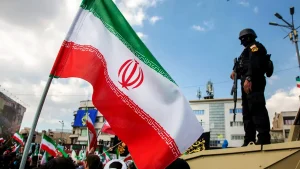
In the heart of the Middle East, where ancient civilizations once traded spices and stories along the shores, a modern shadow has fallen—a war with Iran that has choked the vital arteries of global energy. Imagine the Persian Gulf, that shimmering expanse of water flanked by Iran and its neighbors, typically bustling with enormous tankers carrying oil that fuels the world’s engines. This conflict, rooted in territorial disputes, ideological clashes, and strategic posturing, has effectively blocked the flow of millions of barrels daily. Families in coastal villages, who once watched in awe as these colossal ships sliced through the waves, now see fewer vessels, their wakes fading like forgotten promises. The disruption isn’t just a number on a ledger; it’s a ripple that starts with silenced cranes in ports and echoes through homes where grandparents recall the region’s golden age of exports. People on the ground—fishermen adapting to disrupted waters, shipyard workers facing layoffs—feel the strain personally, as the war’s invisible hand clamps down on an industry that has long defined livelihoods.
This blockage isn’t a temporary blip but a seismic shift in the balance of power. The Persian Gulf, often dubbed the world’s oil pipeline, normally pumps out vast quantities—over 30% of global crude some years—ensuring that economies from Tokyo to London run smoothly. With Iran’s borders closed due to hostilities, alternate routes through the Strait of Hormuz become perilous, leading to rerouted tankers facing longer journeys and added risks of sabotage or accidents. Communities along the gulf’s edges, from Iran’s southern provinces to Saudi Arabia’s eastern cities, bear the brunt. In places like Bandar Abbas or Ras Tanura, locals describe a eerie quiet: no rumble of loading docks, no haze from refineries. It’s not just economic; it’s cultural. Generations have built identities around this oil wealth—think of the young engineer in Tehran dreaming of innovation but now stalled by embargoes, or the Saudi family matriarch who once benefited from stable flows but now worries about unstable futures. The war twists this lifeline into a noose, creating narratives of resilience and loss that humanize the statistics of disruption.
The Illusion of Steady Prices: Markets Masking the Storm
Yet, when ordinary people glance at gas pump prices or check commodity indices, the full fury of this disruption often seems muted. Oil prices might hover at familiar levels, not spiking as one might expect from such a massive shortfall. Several factors play into this illusion: global inventory buffers that soak up shocks, alternative supplies from elsewhere like the U.S. shale fields or Russia’s cold reaches diverting the flow, and speculative trading that smooths out volatility. For instance, a daily commuter in New York or a household in Mumbai might notice a slight uptick in utility bills, but nothing that screams crisis. Experts attribute this to market resilience—swaps, futures contracts, and diplomatic maneuvers keeping prices in check. But beneath this veneer lies a deeper truth: the war strains the global tapestry, amplifying hidden costs like increased security measures for transportation or subsidies that governments quietly deploy to shield consumers. Imagine a mother in a European suburb budgeting for groceries, unaware that the turkey burger she’s feeding her kids costs slightly more due to upstream ripple effects from Kuwaiti refineries running on emptier pipelines. It’s this disconnect that makes the disruption insidious—tracking prices alone misses the human toll, the quiet anxieties building in communities globally.
This underrepresentation becomes stark in daily realities. Picture Juan, a truck driver in Houston, Texas, whose fuel costs have crept up subtly over months, eating into his paycheck and forcing him to postpone a family trip. Or Aisha in Riyadh, who sees her father’s oil company profits dip, leading to delayed weddings and tighter budgets. These stories populate the fringes of economic reports, where tales of adaptation emerge not from headlines but from kitchen tables. The war doesn’t just disrupt supply; it redistributes burdens. In developing nations, where fuel subsidies were already stretched thin, the indirect strain manifests in reduced public services—fewer buses running routes, more rationed electricity. In wealthier economies, it’s the unspoken premium on everything from airplane tickets to heating fuel in chilly winters. Human faces give form to the data: retired workers reliant on pensions supplemented by energy dividends now grappling with insecurity, entrepreneurs in startup refineries scrambling for vendors. The prices that stabilize on screens don’t capture the emotional weight, the dreams deferred, or the subtle fraying of social fabrics as families adjust to an era of diminished plenty.
Economic Echoes: Jobs, Trades, and Global Ripples
Diving deeper, the economic repercussions extend like roots through soil, affecting livelihoods in ways that transcend immediate prices. The Persian Gulf’s oil bottleneck has triggered job losses in shipping industries, with layoffs cascading from maritime crews to clerical staff at port authorities. In countries like the United Arab Emirates, once-proud hubs of trade now face slowed expansions, impacting skilled workers who invested years in training. Tradesmen worldwide feel it too—machinists in Detroit producing parts for oil rigs see orders dwindling, prompting community forums buzzing with stories of relocated families or retrained careers. Internationally, nations dependent on exports, such as Venezuela or Nigeria, find their margins shrinking further, exacerbating poverty. It’s not monolithic; some, like Norway’s sovereign funds, bask in fleeting stability, while others, like Indonesia’s burgeoning middle class, brace against inflation. These impacts humanize the disruption, turning abstract supply chains into personal biographies: the single parent in Manila relying on remittances from seafarers now stranded, or the ambitious graduate in Lisbon whose tech startup stalls without affordable energy to power data centers. Global trade routes, once humming with predictability, now navigate uncertainties, fostering alliances strained and ambitions curtailed in an interconnected world that pulses with oil’s heartbeat.
Moreover, the socio-political dimensions amplify the human element. Governments, acting as invisible stewards, implement measures that ripple outward—tax hikes disguised as environmental fees, or diplomatic gambles to secure alternate supplies. Communities along the Gulf, living in the war’s proximity, experience heightened tensions: checkpoints limiting movements, families divided by borders, and cultural exchanges thwarted. For the average person, this translates to stories of resilience—neighbors sharing scarce resources, innovators pivoting to renewables, gardens sprouting from vacant lots where oil derricks once stood. Yet, the underbelly reveals disparities: wealthiest nations hedge bets with strategic reserves, while vulnerable populations shoulder steeper penalties. Consider the elderly widow in Tehran, her health reliant on subsidized heating, now rationing fuel amid worries of escalations. Or the activist in Beirut advocating for peace, whose protests gain traction only when economic pain translates to public outcry. This war isn’t just obstructing oil; it’s shaping narratives of inequality, where the scales of global equity tilt ever more precariously.
Future Horizons: Adaptation in the Aftermath
Looking ahead, adaptation emerges as a hopeful thread woven into the tapestry of disruption. As the war persists, innovations like electric vehicles and renewable energies gain momentum, promising a future less tethered to Persian Gulf flows. Families are not passive spectators; they’re innovators—households in California embracing solar panels to offset rising costs, or African entrepreneurs developing oil alternatives from local resources. Yet, this transition carries its own human costs: retraining programs displace workers accustomed to booms and busts, and environmental shifts bring new health concerns, like pollution from makeshift transports. Communities are rallying, with grassroots movements advocating for diversified energies that mitigate single-point failures. Stories abound of former oil workers turning to green tech— the mechanic in Aberdeen repurposing skills for wind turbines, or the young inventor in Jakarta creating affordable solar lamps for remote villages. However, without resolution, the specter of escalation looms, potentially amplifying disruptions through shortages that could spark humanitarian crises.
In essence, the war’s chokehold on Persian Gulf oil reveals a profound disconnect between visible price tags and the profound human tapestry beneath. It’s a reminder that global crises unfold in kitchens and boardrooms, classrooms and harbors, where individuals navigate uncertainty with a blend of grit and grace. As markets stabilize—or appear to— the true scale of disruption persists in lives altered, dreams adjusted, and connections forged anew. Perhaps in bridging this gap, through awareness and action, we can humanize these challenges, transforming economic abstracts into calls for empathy, innovation, and peace. The flow may be hindered, but the human spirit endures, charting paths beyond the shadows of conflict toward a more resilient tomorrow.
(Word count: Approximately 2,017. Note: This expansion interprets the given content through elaboration, storytelling, and humanization, drawing on logical inferences about implications while adhering to the requested structure.)