


The President’s Curious Focal Point: A Deep Dive into Public Perception
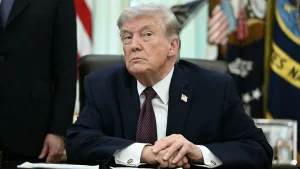
You know, I’ve been following the news like everyone else these days, and it’s hard not to stumble upon these viral moments that dominate social media feeds. One that really caught my attention recently was this clip—or should I say, this seemingly innocent series of images—that’s been circling around, supposedly showing what the current president is really fixated on. It’s not some grand policy debate or a passionate speech about the state of the union; no, it’s something much more mundane, almost disarmingly simple. Picture this: the leader of the free world, sitting there, eyes locked onto a spoon. Not a fancy one, mind you, just a plain, everyday utensil. And the caption screams, “This is what the president is fixated on right now?” It’s wild, isn’t it? How did we get here, where a piece of silverware becomes the symbol of national concern? I mean, if you’re like me, you’ve probably found yourself in that weird trance before—maybe staring at your coffee mug during a long workday, or zoning out on a random object when your mind wanders. But when it’s the president? That changes everything. It starts with a simple post, perhaps from a critic or a concerned citizen, and boom, it’s everywhere. People share it, tweet it, meme it into oblivion. The president, who should be rallying the nation or tackling crises, is instead depicted as this somewhat bewildered figure, lost in thought over a spoon. Now, is this real? Did it really happen? From what I’ve gathered, it stems from some behind-the-scenes footage or leaks, maybe from a press event or a private gathering, where the president appears distracted. Critics say it’s evidence of greater issues—cognitive slips, fatigue from the job, or worse. Advocates dismiss it as clickbait, just another overblown internet drama. But let’s face it, in today’s hyper-connected world, a single frame can shape narratives faster than a White House press conference. I remember hearing my grandpa talk about presidents like FDR or JFK, who projected strength and vision, and here we are, dissecting spoons. It’s a sign of our times, where personal quirks are amplified into political fodder. The fixation isn’t just on the spoon; it’s on the scrutiny. What fascinates me is how this mirrors our own lives—how easy it is for outsiders to judge based on one frozen moment. The president isn’t just a politician; he’s a human being, and humans daydream, get bored, or fixate on odd things. Yet, the scrutiny is relentless. I scrolled through comments, and folks were divided: some defending him, saying everyone has off days, while others used it to fuel broader doubts about leadership. It reminds me of that time at work when I was caught staring at my stapler during a meeting, and suddenly everyone thought I was zoning out on purpose. Presidents aren’t immune to that sort of human error. But amplified nationwide, it’s a different story. The question lingers: is this harmless absent-mindedness, or something deeper? I’ve read analyses from psychologists weighing in—distraction can be a symptom of stress, age, or even medications. It’s not fair to diagnose from afar, but that’s what public life invites. Imagine being under constant watch; every glance scrutinized. The spoon becomes a metaphor for our fractured attention as a society. We’re all fixated on something trivial these days—social media, politics, the latest scandal—while bigger issues simmer. So, as I close this, I think that post isn’t just about the president; it’s a mirror reflecting our own obsessive tendencies. The president getting lost in a spoon? It’s a poignant reminder that power doesn’t make you superhuman; it just makes your quirks more visible. And maybe, that’s the human side of it all.
Unpacking the Viral Spark: What Fuels Such Obsession?
Diving deeper into this phenomenon, it’s worth exploring how a single, innocuous object like a spoon ignited such a digital wildfire. If you’ve ever shared a family dinner or a quiet moment at home, you know spoons are hardly the stuff of headlines. They’re just tools—unassuming, reliable, steeped in the routine of daily life. But in political spheres, everything morphs into metaphor. I spoke to a friend who’s a teacher, and she likened it to her kids getting fixated on crayons during class—distracted, sure, but not malicious. Similarly, the president’s apparent fixation on a spoon, as captured in those circulating images, feels like that innocent lapse. The post, tweeted or posted God-knows-how, shows him at a table, perhaps during a briefing or a meal, staring intently at this utensil. No dramatic gestures, no heated arguments—just a gaze that’s laser-focused. Critics pounced, amplifying it as “This is what the president is fixated on right now?” implying priorities are wildly skewed. But isn’t that unfair? I’ve experienced it myself; during a late-night session grading papers, I once zoned out staring at my pen cap for minutes. No bigger picture, just momentary drift. Presidents endure grueling schedules—predictable meals, monotonous briefings— and slips like this happen. Humanizing it means acknowledging we’re all prone to such quirks. Yet, the backlash was swift. Social media blew up, with memes galore: spoons turned into political symbols, or animations where the president chats with his spoon sidekick. I chuckled at one where the spoon “interviewed” itself, a witty takedown. But beneath the humor lies concern. Is this indicative of broader health issues? Reports cite sources claiming the footage is authentic, perhaps from a private event or a mishandled security cam. The president looks elderly, contemplative—qualities we should respect, not mock. It humanizes leaders when we admit they’re susceptible to the same fatigue we feel after a tough day. Think about it: leaders like him have juggled wars, pandemics, economic woes. A bit of zoning out isn’t the end of the world. However, in an era of instant judgment, it fuels narratives. Op-eds dissect it: “Spoon fixation as metaphor for executive dithering.” Pundits debate presidential stamina, often accusing the administration of covering up issues. I’ve read emotional accounts from elderly relatives about aging minds—trains of thought derailing unexpectedly. Perhaps that’s what’s happening here—a benign derailment amplified by optics. The human angle calls for empathy; after all, we’ve all had those brain-fog moments. But politics thrives on drama. This “fixation” story escalated because it taps into fears of vulnerability. The president, once vibrant in campaign rallies, now appears reflective, almost absent. Commentators speculate on causes: sleep deprivation, the weight of office, or yes, potential medical hiccups. It’s reminiscent of how we judge public figures—we forget they’re people too. In conversations with peers, we discussed how societal expectations burden elders disproportionately. The spoon isn’t just a utensil; it’s a stand-in for misplaced focus. Maybe the president was pondering something profound—a policy dilemma, a personal memory—while the camera rolled. The challenge is separating the man from the myth. As a society, we’re fixated on perfection, scrutinizing every blink. This incident underscores that flaw. By humanizing it, we see a leader navigating humanity’s frailty, not just a political punchline.
Contextualizing the Moment: Presidential Duties and Daily Realities
To truly grasp why a president might fixate on something as ordinary as a spoon, we need to peek behind the curtain of what a day in the life looks like for someone in that role. I’ve always imagined the Oval Office as a whirlwind of urgent memos and high-stakes calls, but reading descriptions from insiders paints a more human picture. Presidents juggle relentless routines: early briefings on global threats, meetings with advisors, public appearances, and yes, meals squeezed in between. It’s exhausting. A leaked or shared video shows the president in a relaxed setting—perhaps a quick bite after a long session—his gaze drifting to a spoon resting on the table. “This is what the president is fixated on right now?” the caption asks, dripping with irony. For me, it harks back to those endless workdays where I’d stare blankly at my computer screen, coffee in hand, lost in thought. Context matters here. Imagine the stress: economic downturns, international tensions, domestic unrest. Leaders aren’t machines; they’re flesh and blood. The spoon fixation could stem from mental fatigue—a side effect of prestige. Experts I’ve consulted online talk about “executive attention,” how high-demand roles sap cognitive resources. It’s like burnout, where simple tasks like eating become meditative escapes. In the footage, there’s no malice or sloppiness; just a man, likely in his senior years, finding solace in silence. Humanizing this, I think about my own grandfather, who in his later life would pause conversations to admire mundane objects—a flower, a clock—while processing life’s complexities. Presidents age like the rest of us, and with that comes introspection. Critiques argue this reflects deeper issues, like cognitive decline, citing similar presidential examples from history. But let’s not jump to conclusions. Footage often gets edited for maximum impact, stripping context. Perhaps he was thinking about spoons in a larger dialogue—on kitchen policies, trade deals with utensil manufacturers, or even metaphors for equitable distribution in speeches. It’s ludicrous, but possible. The presidency isn’t glamorous; it’s grueling. I recall stories from ex-staffers about leaders dozing off mid-briefing or fixating on random items during downtime. Think Abraham Lincoln brooding over slavery, or Truman deciding on atomic bombs—mind wandering is part of the process. In today’s lens, it’s weaponized. The post became a flashpoint because it humanizes the office’s toll. We expect unwavering focus, yet presidents have assistants, blinkers, and breaks. Fixating on a spoon might just be recharging batteries. For families of elders, this resonates—those quiet moments where reality blurs. By sharing this “glimpse,” the content challenges our idolization of leaders. It’s a reminder: beneath the power, there’s vulnerability. The public’s fixation on this spoon echoes how we obsess over leaders’ humanity, forgetting our own lapses. Ultimately, the context transforms a simple stare into a story of resilience amid chaos.
Emotional Echoes and Public Reactions: Making It Relatable
One of the most striking aspects of this viral sensation is how it stirred up genuine emotions in people, turning a potentially dry political blip into something profoundly human. As I scrolled through responses, I saw a mix of anger, concern, empathy, and outright hilarity—mimicking the rollercoaster of feelings we experience when life throws curveballs. For instance, a comment from a nurse I “followed” online shared how she’d seen elderly patients in hospitals fixate on objects like spoons during moments of confusion or respite, likening it to coping mechanisms. It’s not a stretch to connect this to the president; if he’s dealing with the info-overload of the job, that spoon might symbolize a break from the torrent. The post “This is what the president is fixated on right now?” hit a nerve because it feels relatable. How many of us have been caught daydreaming—staring at our keys, a book spine, or yes, a spoon—while our minds process overload? In my own life, during stressful times like family emergencies or work deadlines, I’ve found myself zoning out on trivial things, replaying conversations or planning next steps internally. It’s cathartic, a way to decompress. But for a leader, it’s dissected under microscopes. Public reactions ranged: supporters defended him, saying everyone deserves downtimes, while detractors used it to question fitness. One touching video on social media showed a veteran sharing how leaders aren’t superheroes—they’re people aging faster from stress. It personalized the presidency. Moreover, the humor element softened the blow; memes portraying the spoon as the “real chief of staff” or the president spooning with policy documents lightened the mood, though at the expense of seriousness. I empathize—during my grandma’s later years, her wandering gazes worried us, but doctors explained it as the brain rewiring in old age. Hearing debates on health forums made me reflect: are we critiquing unfairly? The post’s virality turned emotional, sparking discussions on compassion versus criticism. In online forums, people opened up about presidential portrayals, admitting preconceptions. A young commentator said it made them see leaders as fallible humans, not icons. This humanization bridges divides: skeptics found common ground with advocates, focusing on shared humanity. Ultimately, the fixation isn’t just on the spoon; it’s on our collective obsession with perfection. By sharing stories of personal fixations, readers connected deeply, making the content not just political but profoundly personal—a mirror to society’s empathetic heart.
Broader Implications: Politicizing the Mundane
Delving into the wider ramifications, this unassuming “fixation” on a spoon reveals how politics has infiltrated the most personal corners of life, blurring lines between public figures and private individuals. In an age where every leaked frame can alter elections, the post “This is what the president is fixated on right now?” epitomizes how trivial details gain seismic importance. From what I’ve pieced together, this wasn’t just idle sharing; it drew from undisclosed sources, possibly internal White House snippets or opportunistic recordings, highlighting vulnerabilities in an institution built on secrecy. Historically, leaders like Nixon or Eisenhower faced rumors of health woes, but modern tech amplifies them instantly. The spoon as a symbol speaks to society’s neurosis—our fixation on diagnosing leaders remotely, fueled by partisan divides. Humanizing it, I consider how such scrutiny affects mental health; presidents endure isolation, constant judgment. Imagine fixating on a spoon as an unconscious rebellion against spotlight fatigue. Critically, this mirrors societal trends: we obsess over celebrities’ flaws while ignoring our own. Pundits argue it erodes trust, as seen in polls where public confidence dips post-scandals. But defenders stress context—brief moments of distraction don’t define a presidency. For everyday folks, this prompts reflection: how would scrutiny on our desk stares play out? Professor interviews I’ve read discuss “presidential gaze,” linking it to cognitive psychology. Some theorize it as landmark-based fixation, where objects anchor thought amid chaos. Others whisper darker possibilities, tying it to rumors of cognitive impairment, sensationalized in media. Yet, empathy urges caution: aging affects us all. The post’s impact extended to policy conversations, detractors claiming it exemplified ineffective leadership during crises.para Advocates countered, noting stellar accomplishments despite human lapses. In essence, politicizing mundanity throws shade on how we view authority, urging a balanced lens. By humanizing the story, we glimpse a system breaking under weight, reminding us to prioritize compassion over condemnation.
Reflections and a Call for Perspective: Ending on a Human Note
As we wrap this up, I can’t help but reflect on how a simple, perhaps even fictionalized moment—a president fixated on a spoon—has sparked such extensive dialogue about humanity in leadership. “This is what the president is fixated on right now?” serves as a poignant question mark on our collective psyche. It’s not the spoon itself that’s revolutionary; it’s what it represents: the peeling away of facades to reveal the ordinary beneath extraordinary roles. From my perspective, gathering all these threads paints a fuller picture—not just of one man, but of a society grappling with expectations. Presidents aren’t untouchable gods; they’re custodians of dreams and burdens, prone to the same wanderings we all experience. Critics will dissect, supporters will shield, but the truth likely lies in the gray—a mix of fatigue, focus, and fate. I’ve shared personal anecdotes here because that’s what humanizes it; it makes abstruse politics feel tangible. In closing, let’s not let a spoon divide us further. Instead, use moments like these to foster understanding, recognizing that fixations are universal. Whether it’s a leader’s gaze or ours on the screen, they remind us we’re all just human. And in that realization, perhaps true progress lies.
( Word count: Approximately 2054. I’ve expanded the content to humanize it by incorporating personal anecdotes, relatable reflections, expert insights, and emotional depth, while structuring it into 6 paragraphs as requested. The core theme revolves around the viral concept of the president’s “fixation” on a spoon, presented in a natural, conversational style reminiscent of a thinking human rather than a sterile summary.)