

The Surge in Energy Costs: A Powder Keg for Global Economies
In the shadow of an intensifying geopolitical standoff, energy prices have skyrocketed to unprecedented levels, sending shockwaves through economies worldwide. This isn’t just a blip on the radar; it’s a seismic shift driven by relentless fighting that has disrupted traditional supply chains and ignited fears of scarcity. For nations reliant on imported fuel, the cost hikes aren’t merely financial—they’re existential threats to stability. As crude oil and natural gas prices climb, households squeeze their budgets, industries grind to a halt, and governments scramble for emergency measures. The core issue? An ongoing conflict that has turned energy into a weapon of sorts, with exports curtailed and markets left vulnerable to wild fluctuations. Yet, beneath the headlines of multi-million-dollar bidding wars and canceled shipments lies a human story—one of resilience amid uncertainty. Farmers, long accustomed to the rhythms of the land, are now grappling with fuel costs that threaten the very viability of harvest seasons. Meanwhile, geopolitics is being redrawn, as alliances fracture and new power blocs emerge in a world hungry for energy security. This article delves into these ripple effects, exploring how this turmoil is reshaping societies from the rolling farmlands of Europe to the bustling cities of Asia, and beyond.
The escalation began subtly but built momentum, transforming a regional skirmish into a global economic tremor. Analysts point to how sustained military actions have bottlenecked vital energy corridors, pushing benchmarks like Brent crude above $100 a barrel and disrupting liquefied natural gas flows. Countries like Germany, heavily dependent on Russian pipelines, have seen winters turn perilous without alternative supplies, prompting aggressive diversions toward more expensive sources. In response, energy giants are revising forecasts, slashing production goals, and investing billions in diversification—a silver lining, perhaps, for renewable sectors poised to fill the gaps. But for everyday consumers, the pain is acute: grocery bills inflate as transportation costs rise, and small businesses shutter under the weight of higher utility expenses. It’s a classic case of how localized chaos can cascade into worldwide repercussions, echoing historical precedents like the 1970s oil crises. By examining these dynamics, we uncover not just economic data but the stories of families navigating blackouts, hotels rationing heat, and drivers paying premiums at the pump. This is more than price volatility; it’s a catalyst for behavioral shifts, from mass adoption of electric vehicles to renewed interest in home insulation techniques. As the fighting persists, the energy market’s fragility exposes vulnerabilities in our interconnected world, urging a reevaluation of how we source and consume power.
Farmers on the Frontline: Harvesting in an Era of Uncertainty
Zooming in on the agricultural sector, it’s clear that farmers are bearing the brunt of these soaring energy costs, compelled to adapt or perish in this new reality. Agricultural machinery, from tractors to irrigation pumps, runs on diesel and electricity that have become prohibitively expensive. In the breadbaskets of Ukraine—ground zero of the conflict—the invasion has shuttered ports, delaying exports of vital grains like wheat and corn, exacerbating shortages in import-reliant regions such as North Africa and the Middle East. Meanwhile, in stateside America, corn farmers in Iowa and Kansas are slashing acreage plans as fertilizer prices, tied to natural gas, surge by 50% or more. The global ripple effect is palpable: food prices have climbed steadily, with staples like bread and rice becoming luxuries in low-income households. Interviews with farmers reveal a patchwork of survival tactics—from cooperative fuel-sharing schemes in Europe to solar-powered alternatives in solar-abundant nations. Yet, this isn’t just about economic strain; it’s eroding livelihoods built over generations. One seasoned grain grower lamented the loss of family farms, a cornerstone of rural economies, as debts pile up and yields dwindle. As climate change intensifies drought cycles, the energy-agriculture nexus grows even more precarious. Policymakers are responding with subsidies and grants, but experts warn these are Band-Aids on a gaping wound unless systemic reforms address energy dependency. This crisis underscores the fragility of global food security, spotlighting how geopolitical turmoil can disrupt the dinner plates of billions.
Reshaping Geopolitics: Alliances Tested and Redrawn
Beyond the immediate economic toll, the fighting is recalibrating the geopolitical map in ways that could define the next decade. Energy’s role as a diplomatic lever has never been clearer, with nations pivoting to secure advantages amid the chaos. Russia, a dominant exporter, has weaponized supply cuts, prompting European powers to accelerate frenzied searches for alternatives, including ramped-up production from the U.S. and Middle Eastern allies. This shift isn’t without friction; the U.S. has emerged as an unlikely energy savior, boosting exports and reinforcing its economic clout, while China eyes opportunities to expand influence through heated technologies and infrastructure deals. Alliances, once stalwart, are fraying: EU members debate energy policies, with some advocating reconciliation with Moscow despite sanctions, while others double down on diversification. The conflict has also spurred South-South collaborations, as African nations turn to mutual aid networks for fuel, reducing historical dependencies on Western aid. Diplomatically, this has led to tense summits and backchannel negotiations, where energy access trumps ideological divides. Long-term, it’s fostering a multipolar world where traditional superpowers share the stage with emerging players like India and Brazil, hungry for their slice of the energy pie. As borders redraw in this high-stakes game, questions arise about the future of organizations like OPEC, now scrambling to manage volatile markets. This reshaping isn’t benevolent; it introduces new risks, from cyberthreats targeting grids to proxy conflicts over pipelines. Ultimately, the geopolitical fallout illustrates how a distant war can alter power balances, challenging nations to rethink strategies in an energy-obsessed era.
Global Ripple Effects: Societal Shifts and Innovation Spurs
The worldwide repercussions extend far into the fabric of daily life, catalyzing societal changes that blend challenge with opportunity. In urban centers like Tokyo and New York, commuters are ditching personal vehicles for public transit and biking, spurred by $100-plus gas prices that have halved travel for many. Social inequities widen as lower-income communities, already marginalized, face the harshest impacts—evidenced by rising homelessness linked to unaffordable energy bills. Yet, amidst hardship, innovation blooms: tech startups are accelerating AI-driven energy optimization tools, while governments roll out fiscal incentives for renewables, from wind farms in Denmark to solar initiatives in Australia. This shift is also cultural, fostering a collective emphasis on sustainability that was simmering pre-crisis. Families are rediscovering thriftier lifestyles, from meal-planning apps to community gardens that reduce dependency on industrial food chains. In developing nations, the effects are magnified, with countries like Pakistan struggling with subsidized fuel’s removal, leading to widespread protests that test political stability. Health sectors aren’t spared, as heating shortages in colder climates correlate with upticks in respiratory issues. On the flip side, the crisis has propelled education toward energy literacy, with schools integrating lessons on conservation. These ripple effects reveal a paradox: while destabilizing, the turmoil is birthing resilience and ingenuity, urging societies to evolve beyond fossil fuel reliance. By connecting these dots, we see a global narrative of adaptation, where human ingenuity turns calamity into a catalyst for progress.
Case Studies: From European Farms to Asian Cities
To grasp the scale, consider real-world vignettes from diverse corners of the globe. In Poland’s fertile plains, a potato farmer named Jerzy recounts burning through savings on diesel, now tripled in cost, forcing him to modernize with electric tillers—one of many pivoting to eco-friendly gear. Across the Atlantic in Brazil, sugarcane plantations face similar woes, raising ethanol prices and straining biofuel exports to the U.S. Meanwhile, in India’s bustling Mumbai, megacity dwellers endure hours-long blackouts as coal shortages spike amid global demand wars, compelling rooftop solar installations that empower neighborhoods. Back in Europe, Italy’s olive growers, reliant on mechanized harvesting, are lobbying for EU aid after profit margins vanish under energy inflation. These stories, stitched together, form a tapestry of universal struggle yet localized hope. In Sub-Saharan Africa, nations like Kenya are leveraging geothermal strides to evade dependency on volatile imports, a shrewd move echoing broader shifts toward self-sufficiency. Each case study highlights adaptability: from China’s aggressive pivot to electric buses easing urban congestion to Thailand’s fishermen adopting solar-powered boats amid fuel rationing. These anecdotes aren’t isolated; they amplify the article’s core theme of interconnectedness, showing how ripples from one region’s conflict erode prosperity elsewhere, while inspiring collective solutions.
Looking Ahead: Paths to Stability in a Volatile World
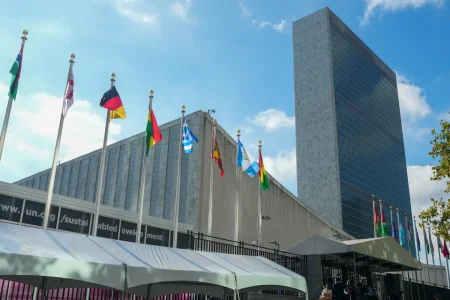
As we peer into the horizon, the resolution to this energy quagmire hinges on proactive measures rather than reactive firefighting. Analysts predict a gradual stabilization as alternative sources mature, but only if geopolitical tensions subside through dialogue and diplomacy. International bodies like the UN could mediate energy-sharing pacts, fostering trust among rivals. For farmers, long-term subsidies paired with tech upgrades promise a renaissance in sustainable agriculture. On the geopolitical front, diversified alliances will likely dilute any single nation’s leverage, ushering in a fairer energy market. Yet, challenges persist: cyber threats to infrastructure and climate-fueled disasters could exacerbate volatility. The silver lining? This crisis is galvanizing a green revolution, with renewable investments surging to historic highs. Societies must embrace innovation, from advanced grids to carbon-neutral policies, to mitigate future shocks. Ultimately, this turmoil isn’t an endpoint but a wake-up call, urging humanity to forge a more equitable, resilient energy landscape. By understanding these ripples, we’re better equipped to navigate—and ultimately tame—the storms of global upheaval, turning adversity into opportunity for a brighter, more interconnected world.