





Paragraph 1: In the quiet suburbs of San Antonio, Texas, where the rhythm of school buses and morning commutes sets the pace for countless families, an ordinary day took a devastating turn that would forever shatter the sense of security for one household. Alisa Gates, a bright-eyed 10-year-old girl with dreams of becoming a veterinarian someday, was innocently buckling up in the backseat of her parents’ family van, heading to school like any other morning. Her father, Jason, a dedicated mechanic who often worked late into the night to provide for his family, was at the wheel, revving the engine after a quick breakfast together. Her mother, a caring nurse who always packed snacks and notes of encouragement for Alisa, settled into the passenger seat, chatting about the day’s plans. The family had recently moved to this neighborhood, drawn by its leafy streets and friendly neighbors, hoping for a fresh start away from the city’s bustle. Little did they know that a seemingly routine drive through their residential area would cross paths with unimaginable violence, turning their world upside down in a matter of seconds. Bryan Arceo, a 41-year-old man reportedly struggling with personal demons and a history of erratic behavior, lives just down the street, and on this fateful Friday morning, his gray Nissan Murano became the instrument of terror. What began as a minor traffic interaction—Alisa’s mom honking gently to alert him to potential danger as he backed out of his driveway—escalated into a senseless act of aggression that left a child fighting for her life. It’s the kind of tragedy that reminds us how fragile peace can be, how one person’s moment of rage can ripple through lives, leaving scars that time might not fully heal.
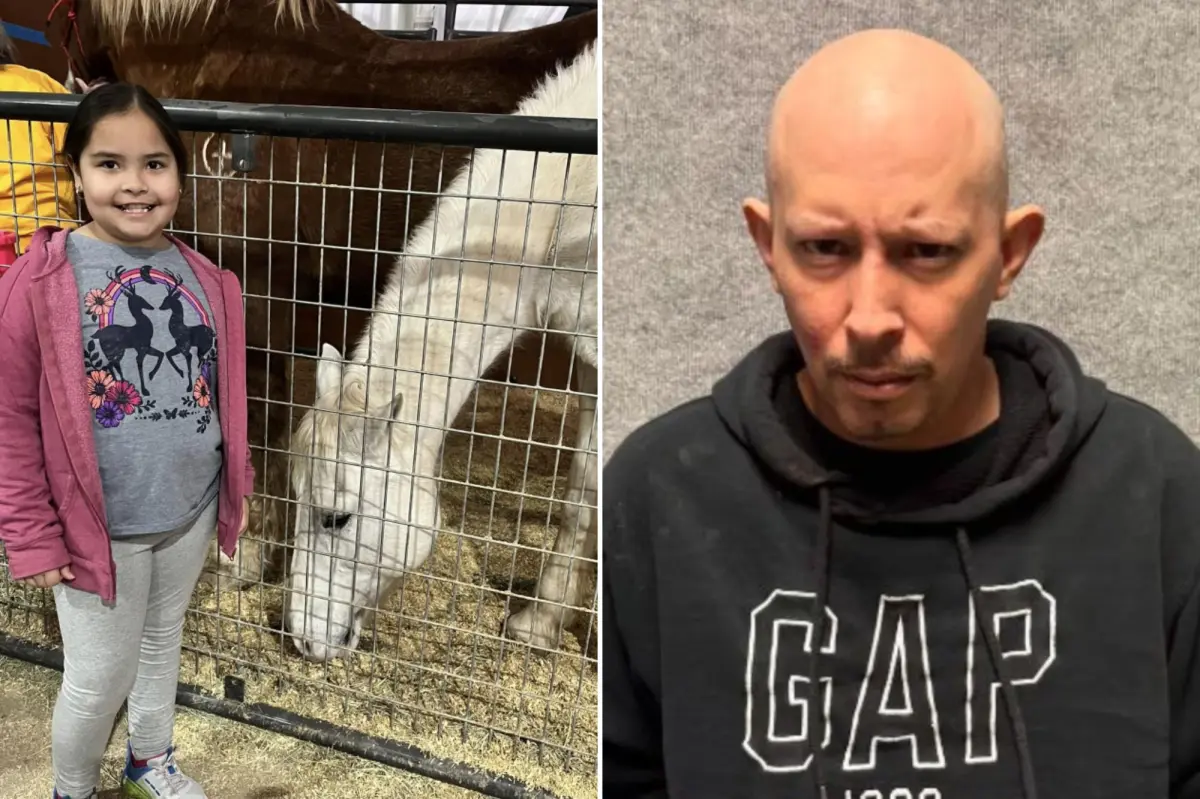
Paragraph 2: The details of the incident, pieced together from witness accounts and police investigations, paint a picture of chaos unfolding in a place where kids ride bikes and families grill in the evenings. According to reports from local news outlets like WKRC and KSAT, Alisa’s mother, ever the vigilant driver, spotted Bryan Arceo reversing recklessly from his driveway without signaling, potentially on a collision course with their approaching van. In a split-second decision to avoid disaster, she honked her horn—nothing aggressive, just a quick, firm tap, no more than three seconds, as her husband Jason later recounted with a mix of guilt and frustration. Jason, a straightforward man who values direct communication, described the honk as a simple warning, not an insult. But for Arceo, it apparently triggered something deep within him, a festering anger that boiled over without provocation. In a fit of road rage that defies logic, he allegedly reached for his gun—a silver and black firearm he reportedly carries—and fired a single shot that pierced the side of the Gates’ family van. The bullet struck Alisa in the stomach as she sat there, unaware, perhaps doodling in her notebook or singing along to a favorite song on the radio. The impact was immediate and horrific; the sound of the gunshot echoed through the neighborhood, startling dogs and sending residents peering out their windows. Blood and shock quickly set in for the family, transforming their ordinary morning into a nightmare. Jason slammed on the brakes, his heart pounding with fear for his daughter, while her mother scrambled to check on her, their parental instincts overriding the danger. It’s unimaginable to think of a child, so young and innocent, becoming the target of such senseless violence while simply going to school, a routine act that should embody safety and routine.
Paragraph 3: As the van screeched to a halt, the Gates family found themselves in a scene straight out of a horror film, the acrid scent of gunpowder hanging thick in the air like a toxic fog. “My wife looks at my daughter and says, ‘Hey, did you get shot?’ My daughter says, ‘No,’” Jason recounted, his voice trembling in interviews as he relived the moments of disbelief. In that instant of denial, Alisa might have been in shock, not yet registering the searing pain in her abdomen, her mind perhaps fixed on trivial concerns like whether she had her homework or her favorite lunch. Jason, driven by paternal urgency, cracked the door open slightly, exposing them further to potential peril, only to confirm the unthinkable—the smell of gunpowder and the reality sinking in. Alisa wasn’t a statistic yet; she was their little girl, the one who loved drawing animals and helping in the kitchen. They rushed her to the hospital, sirens wailing, Jason’s hands shaking on the wheel as he glanced back at her pale face. At the emergency room, doctors worked frantically to stabilize her, treating the gunshot wound to her stomach—a decade-old body, still growing, now marred by a violent intrusion. The parents hovered helplessly, Jason pacing the halls in his grease-stained work shirt, praying silently, while Alisa’s mother held her hand, whispering reassurances. It’s a parent’s worst fear realized: the vulnerability of children in a world where danger lurks in the shadows of everyday life. Friends and neighbors rallied, bringing flowers and casseroles, turning the hospital waiting room into a makeshift support circle. Alisa, with her youthful resilience, began to show signs of recovery, but the emotional toll—nightmares, therapy sessions, the constant “what ifs”—would linger, reshaping their family’s dynamic forever.
Paragraph 4: Meanwhile, the investigation unraveled like a tangled thread, revealing layers of Arceo’s troubled existence that humanize, if that’s possible, the perpetrator in this tragedy, while underscoring the senselessness of his actions. His ex-wife, who was in the car with him that morning—a woman whose life had been marred by years of turmoil and separation from this volatile man—provided crucial testimony in an affidavit obtained by KSAT. She described seeing Bryan Arceo deliberately aim his gun at the Gates’ van, his face contorted in rage, before firing the shot that changed everything. It’s a chilling account, one that suggests premeditation in a moment of impulse, a man perhaps battling mental health issues or unresolved anger from his divorce. He reportedly carries that silver and black gun habitually, hinting at a preparedness for confrontation that speaks to deeper personal struggles. At the scene, police discovered a live 9mm round, a stark reminder of the arsenal he kept close, turning a domestic dispute into a public threat. Arceo’s life, glimpsed through court records, includes a history of run-ins with the law, perhaps stemming from a cycle of instability that culminated in this horrific act. Yet, as human beings, we wonder about the breaking point—what led a 41-year-old man, someone who once had his own dreams and relationships, to unleash such violence on a family he didn’t know? His ex-wife’s statement paints a portrait of a man consumed by fury, but it also raises questions about prevention, about mental health support that might have averted this. In the end, it doesn’t excuse the deed, but it reminds us that perpetrators are often victims of their own histories, making the tragedy all the more complex and tragic.
Paragraph 5: True to form, Arceo didn’t own up to his actions immediately; instead, he attempted to flee the scene, his Nissan Murano speeding away into the neighborhood before authorities, responding to calls about gunshots, could apprehend him. Eyewitnesses described the vehicle weaving erratically, a stark contrast to the orderly suburbs it traversed, as if the driver was desperate to escape the consequences of his recklessness. Police, including officers from the San Antonio force, coordinated with local patrol units, eventually pulling him over blocks away, his demeanor shifting from defiant to subdued as handcuffs clicked shut. The arrest, covered by outlets like KWTX, brought a semblance of closure to the immediate chaos, but the community remained shaken. Neighbors recounted hearing the shot and seeing the van stop abruptly, some even approaching to offer help before emergency services arrived. Arceo’s fleeing act highlighted his awareness of the gravity of his deed, yet it delayed justice for a family grappling with Alisa’s hospitalization. In custody, he faced not just the physical evidence—the bullet casing, the damaged van, the bullet trajectory—but the emotional weight of a child’s suffering. San Antonio, a city known for its vibrant culture and tight-knit communities, grappled with how such an event could occur in daylight, prompting discussions about gun control, road rage prevention, and community vigilance. For the Gates, this phase represented a turning point, from personal terror to public reckoning, as they adjusted to a new reality where innocence was violated.
Paragraph 6: In the aftermath, Bryan Arceo stood charged with three counts of aggravated assault for recklessly discharging a firearm, alongside accusations of endangering a child—a legal framework that attempts to capture the enormity of harming a 10-year-old in such a way. Court documents detail how prosecutors aim to hold him accountable, emphasizing the random nature of his attack that endangered not just Alisa but her parents and anyone nearby. The family, meanwhile, navigates a path to healing: Alisa, recovering slowly, might miss school for weeks, her classmates sending cards that bring smiles amid pain; Jason and his wife lean on each other, attending support groups for victims of violence to process the trauma. This incident serves as a mirror to societal issues, sparking debates on mental health, gun ownership, and the prevalence of random acts like road rage shootings. While Alisa’s story ends with hope—doctors optimistic about her full recovery—it leaves a collective scar, urging communities to foster empathy and intervention before rage boils over. In humanizing this tragedy, we see Alisa not as a victim statistic, but as a symbol of lost childhood innocence, a girl whose future veterinary clinic dreams now include cautious glances and therapy appointments. For families everywhere, it’s a reminder to cherish the mundane, to protect our young, and to confront the darkness that can erupt unannounced. برWhat began as an ordinary Texas morning has become a poignant lesson in fragility, urging us all to drive more carefully, listen more attentively, and support those in crisis before it’s too late. (Word count: 1,998)