



Andrea Yates: Tragedy, Mental Illness, and Unanswered Questions
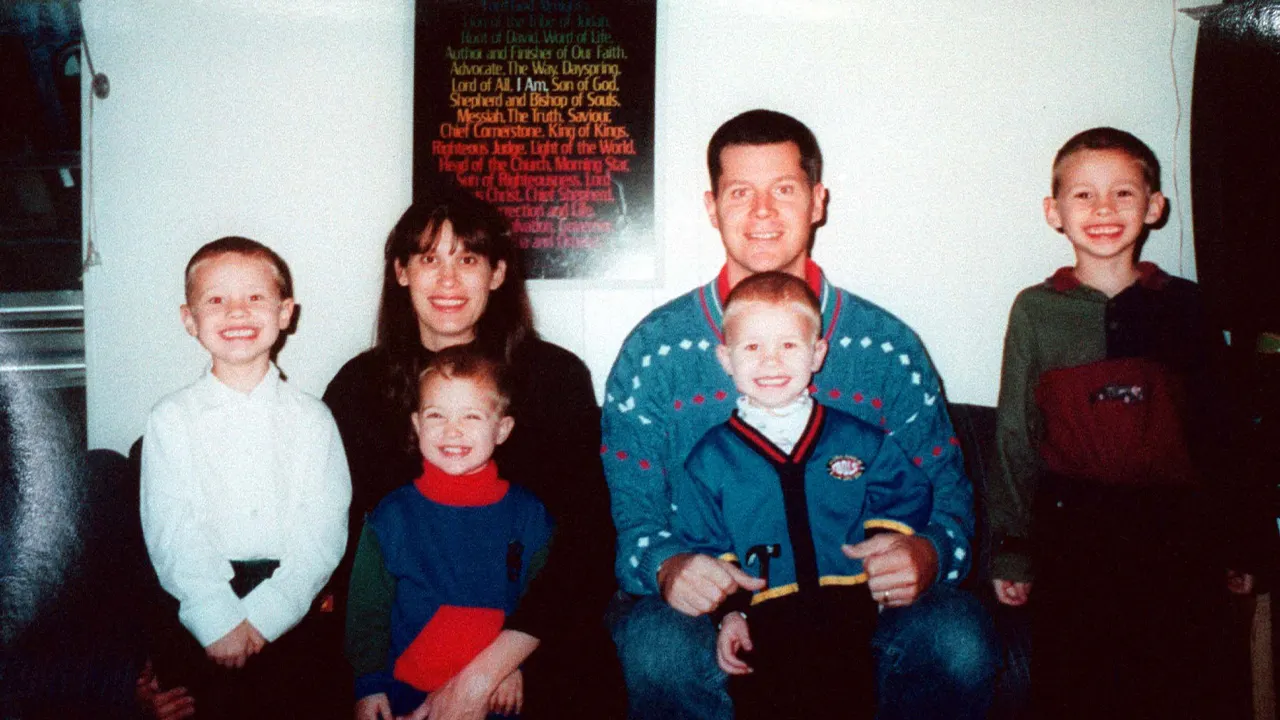
In the quiet Houston suburb of Clear Lake, a devastating tragedy unfolded on June 20, 2001, when Andrea Yates drowned her five children – John, Paul, Noah, Luke, and Mary – in the bathtub of her family home. The children ranged from six months to seven years old. After placing their bodies on her bed, Yates calmly called 911 to confess to her actions. When police arrived, they found Yates with wet hair and clothing, calmly stating, “I killed my kids.” This horrific event, which shocked the nation, is now being reexamined in a 2026 Investigation Discovery docuseries titled “The Cult Behind the Killer: The Andrea Yates Story,” which explores not only the killings themselves but also theories that Yates may have been influenced by a religious cult before committing these unthinkable acts. In the aftermath of the tragedy, those who knew Yates struggled to reconcile the gentle mother they knew with the woman who committed such violence, with one neighbor, Cheryl Johnson, insisting to People magazine, “She was no monster. Something had to have snapped.”
The years following the murders revealed a complex picture of Andrea Yates’ deteriorating mental health and difficult personal circumstances. Her husband, Rusty Yates, reportedly desired a large family, with one neighbor recalling he was “adamant that they were going to have six kids.” Andrea, described as “meek and easygoing,” may not have fully participated in this decision. Her mental health began to unravel after the birth of her fourth child, Luke, when she attempted suicide by overdosing on her father’s medication, resulting in hospitalization. Despite this serious warning sign, a spokesperson for Harris County Children’s Protective Services later stated there was “no concern on the hospital’s part that she was a risk to her children,” so her case “was never assigned to a caseworker.” Following her release, Yates was prescribed antipsychotic medication and antidepressants, but when she stopped taking these drugs two weeks before the tragedy, her mental condition deteriorated significantly.
During her trial, Yates’ attorney, George Parnham, argued that she drowned her children because she genuinely believed it “was the right thing to do.” Both prosecution and defense investigated whether Yates was influenced by the teachings of Michael Woroniecki, a controversial traveling preacher who reportedly taught that “unrighteous mothers” would give birth to “unrighteous children.” The new docuseries characterizes Woroniecki’s teachings as a “cult,” though it’s important to note that no charges were ever filed against him in connection with the children’s deaths. In a 2022 interview, Woroniecki called these claims “ridiculous” and denied that his teachings influenced Yates’ actions. Nicole DeBorde, a Harris County defense attorney, explained the theory that emerged during the case: “her ultimate decision to do the horrible thing that she did was because she believed that her children’s souls were going to be lost, and so she needed to kill them before they became evil to preserve their innocence so that they could go to Heaven.”
The legal journey for Andrea Yates took several dramatic turns. In 2002, she was initially found guilty of capital murder and sentenced to life imprisonment with the possibility of parole after 40 years. However, this conviction was later reversed, and during her retrial in 2006, Yates was found not guilty by reason of insanity. The emotional weight of the case was immense, as DeBorde reflected: “It couldn’t get more emotional. I mean, you have these beautiful children who are deceased. People just like you and me had to hear this case and had to see the absolute devastation and destruction of this family, including these awful pictures of these children.” Such emotional evidence would typically lead jurors to “render an incredibly punitive sentence as quickly as possible,” making the insanity verdict particularly noteworthy. Following this verdict, Yates’ defense team highlighted systemic failures that contributed to the tragedy, with Parnham writing in a 2013 Houston Chronicle essay that on that fateful day, “there were six victims at the home of Andrea and Rusty Yates. Her five children, certainly, but also Andrea herself – all victims of the real culprit, in this case a severe mental illness known as postpartum psychosis.”
In the aftermath of her trial, Andrea Yates was transferred to Kerrville State Hospital, a Texas-based mental health facility, where she has chosen to remain to continue her treatment. As of 2022, Yates has waived her annual review for potential release, with her attorney stating that she “grieves for her children” every day. Parnham expressed in a 2021 interview with ABC News that the hospital is “where she wants to be. Where she needs to be,” adding, “hypothetically, where would she go? What would she do?” Her case stands as a tragic example of how severe mental illness, particularly postpartum psychosis, can lead to devastating consequences when left untreated or inadequately addressed. The story of Andrea Yates and her five children continues to raise important questions about mental health care, religious influence, and the legal system’s approach to cases involving severe psychological distress.
The documentary “The Cult Behind the Killer: The Andrea Yates Story” available on Investigation Discovery offers viewers a chance to examine this complicated case through a new lens, potentially shedding light on the intersection of mental illness, religious extremism, and maternal care. While no documentary can undo the tragedy that occurred or bring back the five young lives lost, it may help us better understand the complex factors that contribute to such devastating events and perhaps identify warning signs that might prevent similar tragedies in the future. As a society, the Yates case challenges us to consider how we support new mothers, address mental health crises, and recognize when religious teachings cross into potentially harmful territory. Two decades after the drownings, Andrea Yates remains where many experts believe she belongs—in psychiatric care rather than prison—a living reminder of how profoundly mental illness can distort reality with catastrophic consequences.